
Corporate Security Management in Africa’s Complex Operating Environments: An Executive Guide

Corporate security Africa demands more than standard protocols. Complex operating environments Africa challenge even the most seasoned executives with unpredictable risks and compliance hurdles. Your security management consultancy must combine local insight with rigorous methods to safeguard assets and ensure governance. This guide reveals how Zero Foundation Africa’s expert services protect your operations and maintain FCPA compliance Africa in high-risk zones. Read on to build a resilient security programme tailored for Africa’s unique challenges.
Building Resilient Security Programmes
Understanding Africa’s Complex Environments
Africa presents a unique set of challenges for corporate security. From diverse regulatory landscapes to varying compliance requirements, the continent demands a specialised approach. You need to understand these complexities to safeguard your operations effectively.
Each country in Africa has its own regulatory environment. This diversity means that a one-size-fits-all approach won’t work. Companies must be nimble and adaptable, ensuring they comply with local laws and regulations. Understanding these nuances can help prevent potential legal and reputational risks.
Key Components of Security Management
Building a robust security programme involves several key components. First, it’s essential to conduct thorough risk assessments. By identifying potential threats, you can develop strategies to mitigate them. This proactive approach helps protect your assets and personnel.
Another crucial element is having a well-defined crisis management plan. This plan should detail how to respond to emergencies and protect your operations. Training staff to handle crises effectively ensures they are prepared for any eventuality.
Implementing Compliance and Governance
Compliance and governance are critical in maintaining corporate integrity. Implementing policies that align with international standards helps build trust with stakeholders. Clear governance structures ensure accountability and transparency within the organisation.
Ensuring compliance with regulations, such as the FCPA, reduces the risk of legal penalties. It also enhances your company’s reputation, making it a more attractive partner for business ventures in Africa.
Comprehensive Security Services
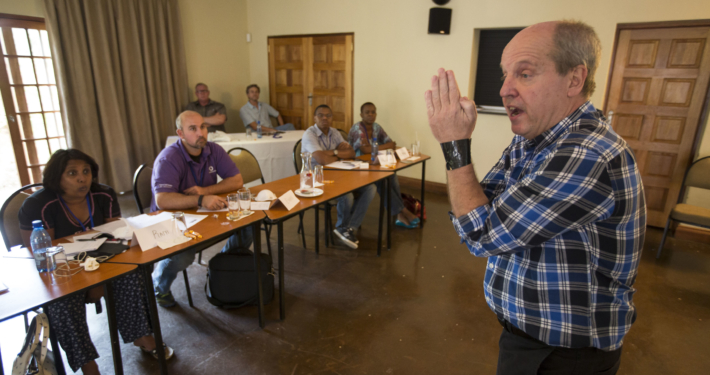
Enterprise Risk Assessment and Programme Design
Enterprise risk assessments are vital for understanding potential threats. By conducting a thorough assessment, you can design a security programme that addresses specific risks. This tailored approach ensures your security measures are effective and efficient.
Risk assessments should be ongoing, adapting to the changing environment. Regular reviews allow you to update your strategies, keeping your operations secure.
Crisis Management and Travel Security Policy
A robust crisis management plan is essential in today’s unpredictable world. Your plan should outline processes for dealing with emergencies, ensuring minimal disruption to operations. Training your team in crisis response can be the difference between chaos and control.
Travel security is another critical component. Establishing a clear policy helps protect employees travelling for business. It ensures they are aware of potential risks and know how to respond in challenging situations.
Technical Surveillance and Counter-Surveillance
Technical surveillance measures help detect potential security breaches. By monitoring communications and networks, you can identify threats before they escalate. Counter-surveillance techniques protect sensitive information from being compromised.
These measures are crucial in maintaining operational security. They provide peace of mind, knowing your company’s data and communications are secure.
Enhancing Security and Compliance

FCPA Compliance and Due Diligence
Ensuring compliance with the FCPA is vital for operating in Africa. Conducting due diligence on potential partners reduces the risk of engaging with corrupt entities. This proactive approach helps protect your company from legal repercussions.
Due diligence involves assessing a partner’s history and operations. This process uncovers any potential red flags, ensuring that your business relationships are above board.
Hostile Environment Awareness Training
Hostile environment awareness training prepares your staff for challenging situations. This training equips them with the skills to navigate dangerous environments safely. It’s crucial for ensuring their safety and maintaining operations in high-risk areas.
Training should be realistic, reflecting the actual challenges your staff might face. This approach ensures they are well-prepared to handle any situation that arises.
Asset Protection and Risk Mitigation
Protecting your company’s assets is a top priority. Implementing risk mitigation strategies helps safeguard physical and digital assets. This includes securing facilities, protecting data, and ensuring only authorised personnel have access.
Assessing and addressing vulnerabilities in your operations is key to maintaining security. Regular audits help identify areas for improvement, ensuring your assets remain protected.
Frequently Asked Questions
What are the key components of a robust security programme?
A robust security programme includes risk assessments, crisis management plans, and compliance policies. These components work together to protect your organisation from potential threats.
Why is FCPA compliance important for operations in Africa?
FCPA compliance helps prevent legal issues related to bribery and corruption. It ensures your business operates ethically and maintains its reputation.
How can technical surveillance improve security?
Technical surveillance helps detect and prevent security breaches. It ensures your communications and data remain secure, protecting sensitive information.
What is the importance of crisis management in corporate security?
Crisis management ensures your organisation can respond effectively to emergencies. It minimises disruption and protects your operations during challenging times.
How does hostile environment awareness training benefit staff?
This training prepares staff to handle dangerous situations, ensuring their safety in high-risk areas. It equips them with skills to navigate challenging environments confidently.


