
Corporate Travel Security Policy: A Robust, Africa‑Ready Framework

A generic corporate travel security policy won’t cut it in Africa’s complex environments. Your travellers face unique risks that demand precise pre-travel risk assessments and itinerary risk mapping tailored to the continent. This guide outlines the essential elements every corporate travel security policy must include for effective travel risk management Africa-wide. Read on to ensure your duty of care Africa obligations are met with a framework designed for real-world challenges.
Key Elements of a Corporate Travel Security Policy

Taking the first steps in crafting a solid travel security policy begins with understanding the critical elements involved. Each component is vital in keeping your team safe while travelling in Africa.
Pre-Travel Risk Assessment
Before any trip, understanding potential risks is essential. A pre-travel risk assessment looks at political climates, health concerns, and local laws. This assessment helps you avoid surprises and ensures your travellers are prepared.
-
Health advisories: Keep updated on vaccinations and health alerts.
-
Local laws: Understand rules, especially those affecting business operations.
-
Security threats: Identify potential dangers in different regions.
Ignoring this step can leave your team vulnerable. Instead, arm them with knowledge to ensure their safety.
Itinerary Risk Mapping
Moving beyond risk assessment, itinerary risk mapping provides a detailed plan for every step of the journey. This map helps your travellers navigate safely from point A to B.
-
Route planning: Avoid areas with known risks by choosing safer routes.
-
Accommodation checks: Ensure hotels meet security standards.
-
Transport safety: Verify the reliability of local transport options.
This mapping tool is not just a plan; it’s a lifeline for safe travel.
Hostile Environment Awareness Training
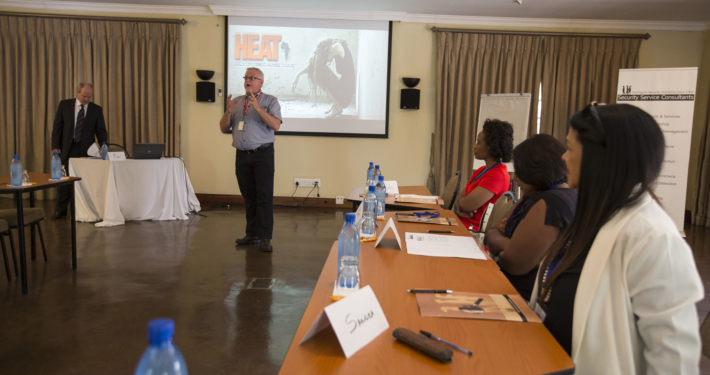
Preparing your team for difficult environments is crucial. Hostile Environment Awareness Training (HEAT) equips them with skills to handle emergencies.
-
Situational awareness: Teach employees to notice and react to threats.
-
Crisis response: Practice emergency scenarios to build confidence.
-
Communication skills: Ensure everyone can signal for help effectively.
Such training transforms your team from vulnerable to capable. Make it a priority to integrate HEAT into your policy.
Advanced Risk Management Strategies
Once the basics are in place, you can focus on advanced strategies that provide deeper layers of security.
Executive Protection Africa
Protecting high-profile personnel demands more than standard procedures. Executive protection offers specialised services for those facing greater threats.
-
Personal security details: Provide bodyguards for personal safety.
-
Secure transport: Use armoured vehicles for high-risk areas.
-
Risk assessments: Regularly update security measures based on current threats.
This level of protection is essential for executives operating in sensitive environments.
Secure Journey Management
Every journey requires careful planning. Secure journey management oversees each trip’s logistics to ensure safe passage.
-
Travel coordination: Plan routes and accommodations with security in mind.
-
Real-time tracking: Monitor travel in real-time to respond to changes.
-
Emergency protocols: Have a plan for quick evacuations if needed.
With these measures, you can turn potential risks into manageable challenges.
Counter-Surveillance Africa
Staying ahead of threats means knowing what to look out for. Counter-surveillance protects against unwanted monitoring.
-
Identify surveillance: Train employees to spot and report suspicious behaviour.
-
Technology use: Use tools to detect and neutralise hidden cameras or bugs.
-
Regular checks: Conduct routine sweeps in sensitive areas.
Counter-surveillance ensures your team remains secure and operations confidential.
Ensuring Compliance and Crisis Preparedness

Even with the best strategies, compliance and preparedness remain vital. They ensure that your policies align with legal standards and your team is ready for emergencies.
FCPA and Anti-Bribery Compliance Africa
Complying with the FCPA and anti-bribery laws is crucial for operating in Africa. These regulations help maintain ethical standards.
-
Policy development: Create clear guidelines on acceptable practices.
-
Training programs: Educate employees on compliance standards.
-
Regular audits: Ensure policies are followed and updated as needed.
Understanding and adhering to these laws helps prevent costly legal issues.
24/7 Travel Risk Monitoring
Constant vigilance is necessary for safety. 24/7 travel risk monitoring keeps you informed of any changes that could affect travel.
-
Real-time updates: Get alerts on political changes or security threats.
-
Monitoring services: Use professional services to keep an eye on developments.
-
Quick response: Have a team ready to act on any alerts.
This continuous monitoring provides peace of mind for you and your team.
Crisis Management and Emergency Response
No plan is complete without crisis management and emergency response. These components prepare you to handle unexpected events effectively.
-
Crisis teams: Assemble dedicated teams trained in emergency protocols.
-
Action plans: Develop specific responses for potential crises.
-
Regular drills: Conduct drills to ensure everyone knows their role.
Being prepared means quicker and more effective responses when it matters most.
Incorporating these elements into your corporate travel security policy ensures a comprehensive approach to safety and compliance in Africa. With the right strategies, your organisation can navigate complex environments confidently and securely.


