
Corporate Travel Security Policy for African Operations: A Practical Framework

Corporate Travel Security Policy for African Operations: A Practical Framework
Most corporate travel security policies for Africa miss critical local risks until it’s too late. You may already have a policy, but does it address travel risk management Africa demands today? This guide breaks down the essential steps to build a robust, Africa-focused travel security policy that aligns with your duty of care Africa and compliance requirements. Read on to learn how to protect your people and operations with real Pan-African intelligence and proven security measures.
Request a confidential policy audit and implementation plan. Contact Zero Foundation Africa.
Establishing a Solid Security Framework
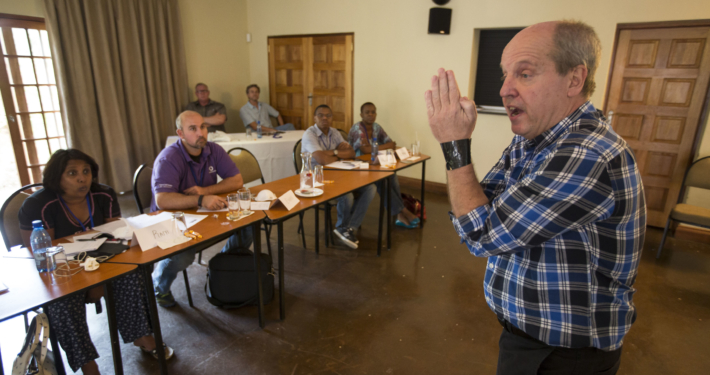
Creating a travel security policy focused on Africa requires a tailored approach. Here’s how to start building a strong framework.
Understanding Travel Risks in Africa
Africa presents unique challenges. You might think you know them, but local knowledge is key. Risks vary greatly across regions. In some areas, political instability is the main concern, while in others, it may be health risks or crime. Understanding these differences helps you tailor your security measures. You must also consider environmental factors. For example, travelling in remote areas can pose challenges with communication and transportation. Having a plan for these scenarios is crucial.
Legal and Compliance Considerations
Compliance isn’t just a checkbox. It’s a safeguard. Africa has diverse legal systems. Each country might have different compliance needs, especially concerning anti-bribery laws and FCPA compliance. Your policy must address these variations. It’s crucial to work with local legal teams. They provide insights on regional regulations and help you avoid legal pitfalls. Remember, compliance ensures you’re legally protected and shows your commitment to ethical practices in Africa.
Building a Comprehensive Security Policy
Your policy should be comprehensive, covering all bases. Start with a risk assessment. Identify potential threats specific to each region. Next, design security measures tailored to address these threats. This includes secure transport options, communication protocols, and emergency plans. Consider integrating technology. Real-time updates and tracking can enhance security and provide peace of mind. Lastly, ensure your team is trained. Regular training on the policy keeps everyone prepared.
Key Components of Travel Security

Designing a travel security policy isn’t just about prevention. It’s about preparation and response.
Threat and Risk Assessments
Accurate risk assessment is a cornerstone of security. You must evaluate potential threats specific to each destination. This means considering political climate, crime rates, and health concerns. Regular assessments keep your policy relevant. They also allow for proactive adjustments as situations change. A thorough risk assessment also considers your travellers. Are there specific threats to your employees’ profile? Tailor your security measures to these findings.
Secure Ground Transport Solutions
Transportation is more than getting from point A to B. It’s a critical security component. Secure ground transport in Africa requires vetted drivers and vehicles. Ensure vehicles are equipped with GPS and communication devices. This allows for real-time tracking and quick response in emergencies. Regularly review transport routes. Some areas might become high-risk suddenly. Having alternate routes planned is a smart move.
Emergency Evacuation Planning
An evacuation plan is your safety net. It’s essential to have a clear, actionable plan in place. Identify key evacuation routes and safe havens in advance. Communication is vital during an evacuation. Ensure you have reliable communication channels that work throughout Africa. Regular drills and updates to the plan keep everyone prepared and aware of their roles during a crisis.
Enhancing Security Through Training and Insights

Training and local insights are your best allies in enhancing travel security.
Hostile Environment Awareness Training
Training like Hostile Environment Awareness Training (H.E.A.T.) equips your team with essential survival skills. This training focuses on real-world scenarios in hostile environments. Participants learn to stay calm and make informed decisions under pressure. Regular training sessions keep skills fresh and prepare your team for unexpected challenges. Investing in this training boosts confidence and readiness.
Importance of Local Insights in Africa
Local insights offer invaluable advantages. Understanding cultural nuances and regional differences can improve security measures. Local experts provide real-time information and advice, enhancing your policy’s effectiveness. Building relationships with local contacts is beneficial. They offer insights and support, helping you navigate complex environments safely. Relying on local knowledge ensures you’re always a step ahead.
Leveraging Pan-African Intelligence
Pan-African intelligence is about connecting the dots. It’s understanding the bigger picture across the continent. This intelligence helps anticipate risks before they become threats. By leveraging a network of contacts and resources, you gain real-time updates and strategic insights. This proactive approach ensures you can adapt quickly and effectively to any situation. Partnering with a firm like Zero Foundation Africa provides access to this critical intelligence.
By integrating these components, your travel security policy will be robust and effective. Start implementing these strategies today to ensure the safety of your personnel and operations across Africa.


