
FCPA compliance in African markets: Where risk exposure begins

FCPA compliance Africa presents challenges that catch many off guard. You face complex risks from third parties, state-owned entities, and public procurement processes. Understanding where your exposure begins lets you take swift, focused action to prevent costly breaches. This guide reveals key risk points and how Zero Foundation Africa supports your proactive defence and rapid response.
Navigating FCPA Compliance in Africa

Understanding Risk Exposure Points
Navigating the complex landscape of FCPA compliance in Africa demands an understanding of exposure points. Here’s where your journey begins, ensuring you’re well-prepared to tackle potential risks.
In Africa, FCPA compliance means identifying where risks originate. This involves several key areas. First, interactions with government officials are common in business dealings, increasing the likelihood of inadvertent breaches. Next, public procurement processes often involve intricate regulations that can pose challenges. Third-party partners, including vendors and agents, can also expose you to risks if their actions do not align with FCPA standards.
Being aware of these exposure points is your first line of defence. With this knowledge, you can take preemptive measures to protect your business. By doing so, you reduce the chances of facing hefty fines or reputational damage. Remember, the best offence is a good defence; knowing where risks lurk helps you stay one step ahead.
Importance of Third-Party Due Diligence
Third-party due diligence is the backbone of a robust compliance programme. It’s crucial because third parties often interact with government officials on your behalf, creating potential risk exposure.
When you engage a third party, you need to ensure they operate within ethical boundaries. This involves conducting thorough background checks to verify their integrity and compliance history. Screening processes should include checks for past violations or affiliations with questionable entities. This helps prevent inadvertent involvement in corrupt practices.
Establishing clear guidelines for third-party interactions is important. Define acceptable practices and ensure your partners understand your compliance expectations. Regular audits and monitoring of these partners are essential to ensure ongoing compliance. By being vigilant, you can maintain control over your compliance landscape and mitigate potential risks effectively.
Effective SOE Interaction Protocols
Interacting with State-Owned Entities (SOEs) requires careful navigation to avoid compliance pitfalls. Understanding the unique dynamics of these interactions is crucial for maintaining FCPA compliance.
SOEs often play a significant role in African markets, and dealings with them can present challenges. You must ensure that any interaction adheres to strict ethical standards. This begins with establishing clear protocols for communication and negotiation. Transparency in all dealings is essential to avoid any appearance of impropriety.
Training your team on the nuances of SOE interactions is also key. Ensure they understand the importance of maintaining integrity and following established protocols. Regular reviews of these interactions can identify any areas of concern early on. By doing so, you strengthen your compliance framework and minimise the risk of inadvertent breaches.
Proactive Mitigation Strategies
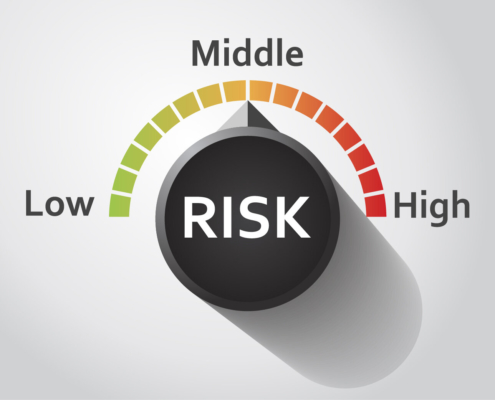
Conducting Comprehensive Risk Assessments
Effective compliance strategies start with a detailed risk assessment. Identifying specific areas of concern allows you to take targeted actions that safeguard your business.
Risk assessments involve a thorough evaluation of your operations, focusing on areas prone to FCPA violations. This includes reviewing third-party engagements, procurement processes, and interactions with public officials. Understanding where vulnerabilities lie helps you develop strategies to mitigate these risks.
Regularly updating your risk assessment process is vital. As the business landscape evolves, so do potential risks. Staying ahead of these changes ensures your compliance measures remain effective. By continually refining your assessment methods, you maintain a proactive stance against potential violations.
Enhanced Due Diligence and PEP Screening
Enhanced due diligence and Politically Exposed Person (PEP) screening are critical components of a strong compliance programme. They help identify high-risk individuals and entities before you engage with them.
Enhanced due diligence involves a deeper investigation into potential partners. This includes verifying financial stability, reputation, and compliance history. PEP screening identifies individuals with prominent public roles, who may pose a higher risk of corruption.
Implementing these measures ensures you know who you’re dealing with, reducing exposure to potential violations. By being diligent in your vetting processes, you protect your organisation from unwanted surprises and maintain a strong compliance posture.
Asset Tracing and Recovery Support
Asset tracing and recovery support are essential tools in mitigating financial risks associated with FCPA violations. Tracing assets helps uncover hidden transactions that may involve corrupt practices.
When investigating potential violations, tracing financial flows provides critical insights. It allows you to identify if any funds have been misappropriated or involved in illicit activities. This process supports the recovery of assets, mitigating financial losses.
Having access to expert support in asset tracing is invaluable. Skilled professionals with local knowledge enhance your ability to address complex financial inquiries. By working with experts, you strengthen your compliance framework and safeguard your financial interests.
Rapid Response and Monitoring

Establishing a Whistleblowing Channel
A whistleblowing channel is a powerful tool for detecting and addressing compliance issues early. It encourages employees to report suspicious activities without fear of reprisal.
Creating a secure and anonymous channel ensures employees feel safe reporting concerns. Educate your team on the importance of this channel and how it supports a culture of integrity. Promptly addressing reports builds trust and strengthens your compliance efforts.
Regularly reviewing and updating your whistleblowing processes is essential. As your organisation grows, ensuring these channels remain effective is vital. By fostering a transparent environment, you empower employees to take an active role in compliance.
Books and Records Review
Regular reviews of books and records are foundational to maintaining compliance. Accurate and transparent record-keeping is crucial for identifying discrepancies early.
Implement routine audits to ensure all financial records are accurate and up-to-date. This process helps detect any irregularities that might indicate potential violations. Clear documentation of transactions and approvals adds an extra layer of security.
Engage experienced professionals to conduct thorough reviews. Their expertise provides valuable insights and ensures compliance with FCPA standards. By maintaining accurate records, you reinforce your commitment to transparency and integrity.
Continuous FCPA Monitoring and Intelligence
Ongoing monitoring and intelligence gathering are key to staying ahead of potential compliance issues. They provide the insights needed to adapt to emerging risks in real-time.
Implement systems to continuously monitor compliance-related activities. This includes tracking changes in regulations and identifying new risk factors. Regular updates ensure your compliance measures are always relevant.
Leverage intelligence to anticipate potential threats and adjust your strategies accordingly. Staying informed allows you to respond proactively to any changes in the compliance landscape. By maintaining vigilance, you protect your organisation from unforeseen challenges and ensure long-term success.
FCPA Compliance in African Markets: Where Risk Exposure Begins—and How to Contain It
FCPA compliance Africa demands attention before you even set foot in a new market. Early risk exposure often stems from third-party relationships and unclear beneficial ownership. Knowing where these vulnerabilities begin lets you act decisively to contain threats. This briefing reveals the critical control points you must monitor to stay ahead and secure your operations across Africa.
Understanding FCPA Compliance in Africa

Navigating FCPA compliance in Africa requires a clear understanding of the landscape. It’s important to identify where risks are most likely to arise. By knowing these risk points, you can prevent major issues before they develop.
Identifying Risk Points
Risk points often start with third-party relationships. Many companies rely on local partners to conduct business in Africa. These relationships can be tricky, especially when ownership structures are not clear. Imagine working with a supplier only to find they are linked to corrupt practices. This connection can put your entire operation at risk. To avoid these pitfalls, always conduct thorough due diligence on each third-party partner. Review their history, ownership, and any red flags. This approach will help you maintain control and reduce exposure to risks.
Key Risk Jurisdictions
Certain regions in Africa pose more significant risks than others. Countries with unstable governments or weak legal systems are difficult to navigate. In these areas, the chance of encountering corruption is higher. To stay informed, examine global risk reports and use local intelligence services. They can provide insights on political climates and legal frameworks. By focusing on these areas, you can better prepare your business operations and minimise your exposure. Remember, being proactive is key to safeguarding your interests.
Facilitation Payments in Africa
Facilitation payments are a common issue in Africa. These are small payments made to speed up routine processes. While they might seem harmless, they can lead to bigger problems. Such payments can create a culture of expecting bribes, which is illegal under FCPA regulations. The best way to tackle this is by training your employees. They should know how to handle requests for facilitation payments and understand the legal implications. By building awareness, you empower your team to act ethically and protect your company’s reputation.
Actionable Controls for Compliance

To manage FCPA risks, put effective controls in place. These controls help maintain transparency and accountability throughout your organisation. They also ensure your operations meet legal requirements.
Implementing Books and Records Controls
Keeping accurate books and records is essential. It ensures transparency in financial transactions. Your records should clearly reflect all payments and financial dealings. This clarity helps identify any discrepancies or suspicious activities early on. Regular audits can further strengthen your control systems. These audits ensure that records are maintained correctly and any irregularities are addressed. By staying on top of your books, you can prevent issues before they escalate.
Effective Whistleblowing Programmes
Whistleblowing programmes are vital for uncovering misconduct. Encourage your employees to report any unethical behaviour they witness. Providing anonymity can make them feel safe to speak up. Regularly review and promote these programmes to ensure they are effective. When employees feel supported, they are more likely to report issues, helping you address problems swiftly and maintain ethical standards.
Monitoring Local Agents and Intermediaries
Local agents and intermediaries often play a key role in your operations. However, they can also be a source of risk. Regularly monitor their activities to ensure alignment with your compliance policies. Establish clear guidelines and expectations for their conduct. Conduct routine checks and assessments to verify their adherence to these standards. By maintaining oversight, you can prevent potential issues and safeguard your operations.
Zero Foundation Africa: Your Compliance Partner

Choosing the right partner is crucial for navigating FCPA compliance. Zero Foundation Africa offers a comprehensive suite of services to support your compliance efforts.
Comprehensive Anti-Bribery Due Diligence
Zero Foundation Africa specialises in anti-bribery due diligence. They provide thorough assessments of potential partners and transactions. This diligence ensures you are aware of any risks before proceeding, protecting your business from unforeseen issues.
Court-Ready Investigative Support
When legal issues arise, having court-ready evidence is critical. Zero Foundation Africa’s investigative services provide you with the necessary documentation and insights. Their expertise ensures you have a strong foundation for any legal proceedings.
Scheduling Your FCPA Exposure Mapping
Understanding your risk exposure is the first step in effective compliance. Schedule an FCPA exposure mapping with Zero Foundation Africa. This service helps identify vulnerabilities within your operations. By addressing these early, you can prevent them from becoming larger problems.
In conclusion, FCPA compliance in Africa requires a proactive and informed approach. By identifying risk points, implementing robust controls, and partnering with experts, you can navigate the challenges and protect your business operations.


