
Hostile Environment Awareness Training: Empowering Corporate Travellers Across Africa

Hostile Environment Awareness Training: Empowering Corporate Travellers Across Africa
Hostile Environment Awareness Training Africa is no longer optional for corporate travellers operating across the continent. Rising security threats demand precise travel risk management Africa to protect your people and comply with duty of care Africa obligations. Our HEAT training South Africa equips your teams with critical skills—from kidnap and ransom awareness to crisis management Africa—that safeguard operations and reduce vulnerabilities. Discover how tailored hostile environment training for executives ensures your travellers navigate risks confidently and securely.
Reducing Travel Risk in Africa

Navigating Africa’s diverse challenges requires sharp strategies. Let’s explore how you can reduce travel risks effectively.
Hostile Environment Awareness Training Africa
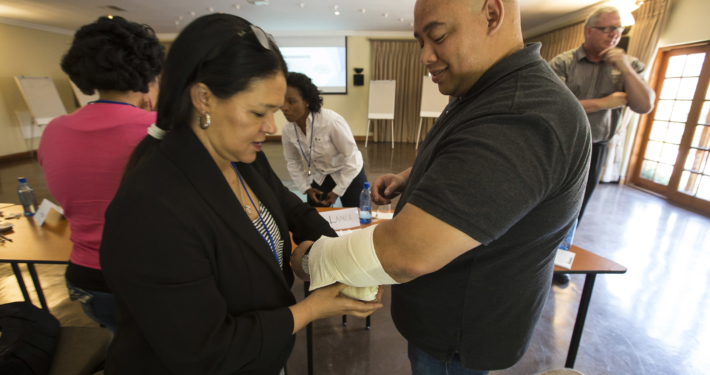
Imagine being equipped to handle any threat with confidence. Our Hostile Environment Awareness Training does just that. This training provides vital skills for handling high-risk situations. From kidnap and ransom awareness to basic survival tactics, you’ll learn to protect yourself and your colleagues.
You may wonder why this training is crucial. The truth is, knowing what to do in a crisis can save lives. Participants often cite real-life scenarios as eye-openers. You’ll practice drills that teach you to remain calm and act decisively. This proactive approach prepares you for the unexpected, ensuring that your team can operate safely in any environment.
Journey Management Africa
Every journey carries its own risks. Effective journey management is essential for safe travel. It starts with understanding the terrain and potential threats. With proper planning, you can avoid dangerous areas and reduce exposure to risks.
You’ll learn to implement travel protocols that keep everyone secure. These include pre-trip briefings and continuous communication during travel. Keeping everyone informed and prepared means fewer surprises. You’ll also have access to real-time updates, helping you adapt plans as needed. This structured approach keeps your journeys safe and smooth.
Situational Awareness Training
Being aware of your surroundings can prevent many threats. Situational Awareness Training sharpens this skill, keeping you alert and responsive. You’ll learn to spot unusual behavior and potential dangers before they escalate.
Think of it as an extra layer of security. By practicing these skills, you become adept at reading environments. It’s about being proactive, not reactive. With this training, you’ll develop the confidence to navigate challenging situations. This awareness is your first line of defense, enhancing your overall safety.
Fulfilling Duty of Care Africa

Protecting your team goes beyond training. It’s about fulfilling your duty of care with comprehensive security measures.
Corporate Travel Security Africa
Travel security is more than just policies. It involves real actions that protect your team. By implementing travel security protocols, you ensure that every trip is planned with safety in mind. This includes choosing secure accommodations and transport options.
You’ll also conduct risk assessments before any travel. Identifying potential threats is key to mitigating them. By being prepared, you minimize risks and provide peace of mind to your team. This proactive approach ensures that your team feels secure and supported.
Executive Travel Security Africa
Executives face unique risks. Tailored security solutions are crucial. These measures include secure transportation, vetted accommodations, and constant communication. By addressing these needs, you protect your leaders and your business interests.
Providing this level of security not only protects individuals but also maintains business continuity. Knowing that your executives are safe allows them to focus on their work, not their safety. This targeted approach ensures that business objectives are met without undue concern for personal safety.
Duty of Care Africa
Your duty of care is a legal obligation. It requires that you take reasonable steps to protect your team. By partnering with experts, you ensure compliance with local and international laws. This includes understanding what measures are necessary and how to implement them effectively.
You’ll learn to create a framework that meets all duty of care requirements. This involves regular updates and audits to ensure compliance. By fulfilling these obligations, you not only protect your team but also your company’s reputation.
Protecting Operations and Compliance
Security measures protect more than people; they protect operations and compliance with critical laws.
Crisis Management Africa
Crisis management is about swift, effective response. This involves having a plan in place before a crisis occurs. You’ll learn to create and implement procedures that ensure quick action during emergencies.
Having a crisis management plan reduces panic and confusion. You’ll know who to contact, what steps to take, and how to manage communication. This structured response is crucial for maintaining control and ensuring safety. By planning ahead, you stay one step ahead of potential crises.
FCPA Compliance Africa
Compliance with the Foreign Corrupt Practices Act is non-negotiable. Understanding this law is crucial for avoiding legal issues. By implementing compliance measures, you ensure that your operations adhere to ethical standards.
Training your team on FCPA compliance is a proactive step. It involves educating them on what constitutes a violation and how to report it. By fostering a culture of compliance, you protect your company from significant legal and financial repercussions. This commitment to ethics strengthens your business integrity.
UK Bribery Act Africa
Similar to FCPA, the UK Bribery Act requires strict compliance. Understanding its implications is essential for any business operating in Africa. Training ensures that your team is aware of legal boundaries and the importance of adhering to them.
By implementing anti-bribery measures, you reduce the risk of violations. This includes regular audits and transparent reporting. These measures not only protect your company but also build trust with stakeholders. Ensuring compliance with the UK Bribery Act reinforces your commitment to ethical business practices.


