
Mastering Situational Awareness: A Key Skill for Corporate Travellers

Situational Awareness: The Corporate Traveller’s Most Underrated Superpower
Most corporate travellers underestimate how quickly threats emerge when attention drifts to their phones. One moment of distraction in a high-risk area can cost you your passport, valuables or worse. Situational awareness is not just a skill—it is a critical safeguard that saves lives and assets. Our H.E.A.T. course teaches the Cooper’s Colour Code and practical methods to sharpen your alertness during travel. Learn more about the Cooper’s Colour Code here.
Understanding Situational Awareness
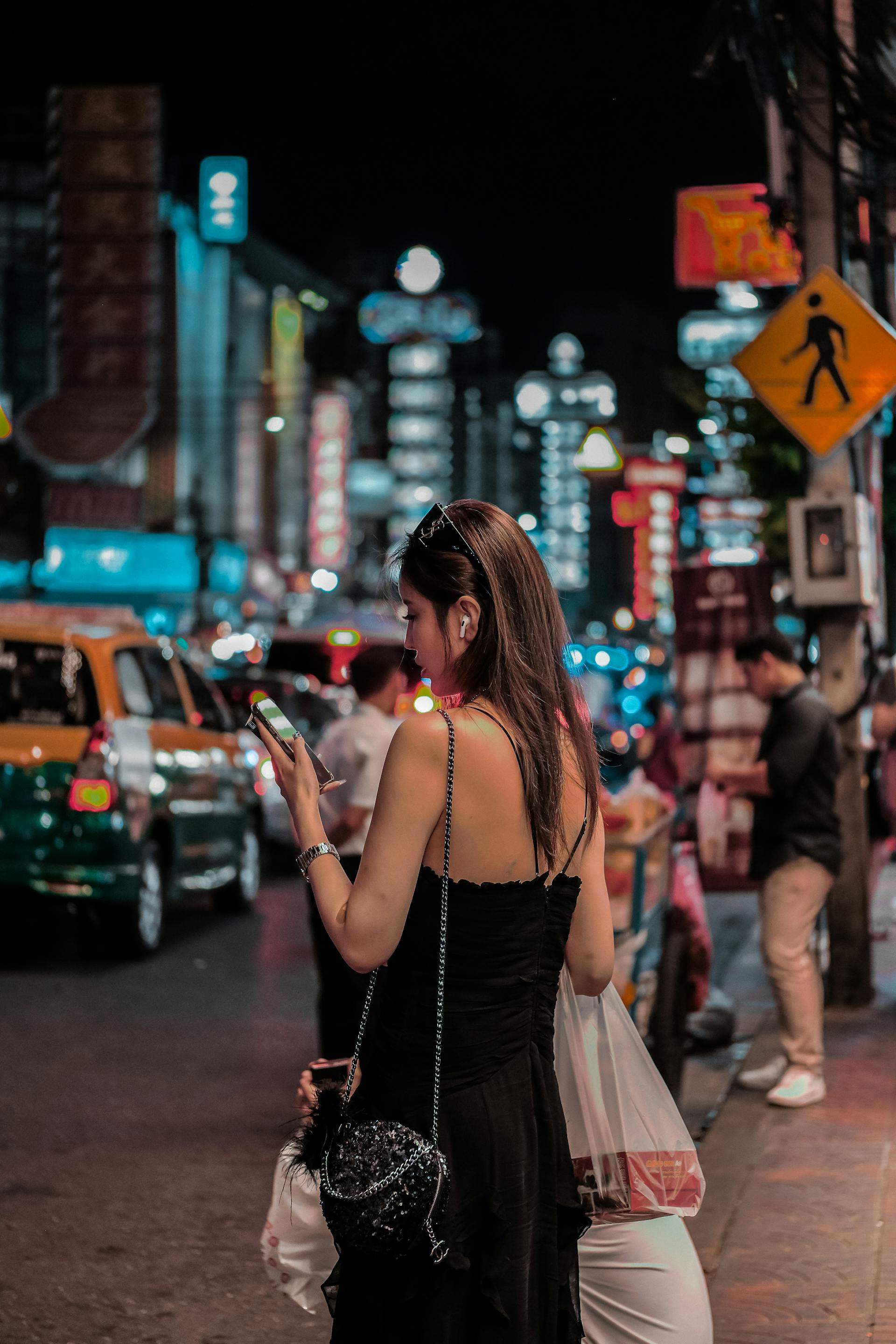
Situational awareness is more than just being alert. It’s about understanding your environment and making smart decisions quickly. For corporate travellers, this skill can be the difference between safety and a serious incident.
Importance for Corporate Travellers
When you’re on a business trip, you’re in unfamiliar territory. The streets, customs and even the risk levels are new. This makes you more vulnerable to threats like theft or assault. The key is to remain aware and proactive. When you know what’s happening around you, you’re less likely to fall victim to these dangers. Imagine being able to spot and avoid a pickpocket before they even get close. That’s the power of situational awareness.
Key Elements of Awareness
Awareness starts with your senses. Notice the sounds, sights and even smells around you. These clues can signal a potential threat. Another element is understanding the local context. Are you in a crowded market or a deserted alley? Each setting has its own risks. A good habit is to periodically ask yourself, “What’s happening around me right now?” This simple question keeps you engaged with your environment and helps you spot changes or anomalies.
Enhancing Corporate Travel Safety

But how can you put this awareness to work? Enhancing safety means going beyond just noticing things. It’s about predicting and responding effectively to potential threats.
Identifying Potential Threats
Consider this example of a corporate traveller. They were briefed on rising street crime due to local economic issues. This kind of background information allows you to plan your actions. Start by identifying areas known for crime spikes. Avoid walking alone at night or taking routes that are less secure. Even a busy street can hold risks if you’re not paying attention. Remember, your phone can wait; your safety cannot.
Responding to Emerging Risks
Responding to threats doesn’t mean reacting with panic. It’s about staying calm and making informed decisions. If something feels off, trust your instincts and change your path or seek help. Let’s say you notice someone following you. Rather than speeding up, cross the street and head towards a busy area. The goal is to de-escalate any potential threat before it can develop further.
The H.E.A.T. Course Advantage
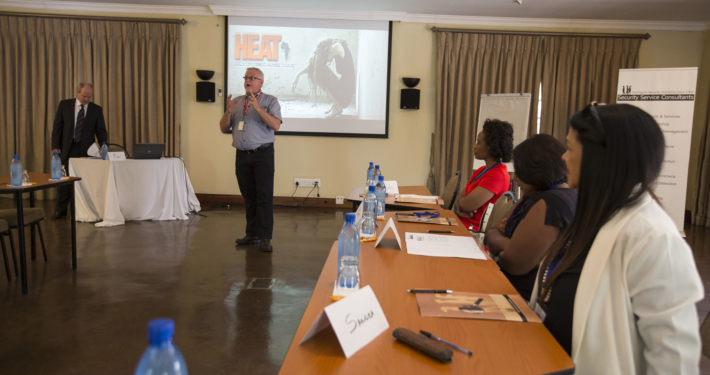
To truly master situational awareness, specialised training can be incredibly valuable. Our H.E.A.T. course is designed to prepare you for high-risk environments.
Skills for High-Risk Environments
The course offers practical skills that make a real difference. You’ll learn how to assess risk levels and respond effectively. One of the key skills is the ability to conduct a quick threat assessment. This involves evaluating your surroundings and identifying any immediate risks. The course also prepares you for the unexpected. Whether it’s a sudden protest or a natural disaster, you’ll know exactly what to do to stay safe.
Cooper’s Colour Code Explained
Part of our training is the Cooper’s Colour Code. This system helps you gauge your level of awareness. It ranges from ‘White’ (completely unaware) to ‘Red’ (immediate danger). Understanding this code is crucial. It acts like a mental checklist, helping you stay alert without becoming paranoid. By using this system, you can quickly adjust your awareness level to match the situation. This technique has been proven effective not just for corporate travellers, but for anyone who needs to navigate risky environments. For more details on Cooper’s Colour Code, explore this resource.
In conclusion, situational awareness is a vital skill for any corporate traveller. By staying alert and prepared, you can navigate new environments with confidence and security. The more you practice these skills, the safer you’ll be.


