
FCPA compliance gaps in African operations often remain hidden until they trigger costly investigations. Your current controls might miss critical exposures in third-party due diligence Africa, gifts and hospitality controls, or facilitation payments Africa. This blog reveals where these blind spots lie and outlines practical steps to close them, helping you safeguard your organisation against escalating DOJ SEC FCPA enforcement risks. Book a confidential FCPA exposure assessment today to stay ahead.
Book a confidential FCPA exposure assessment today to stay ahead.
Identifying FCPA Compliance Gaps
Understanding where your FCPA compliance falls short is key to protecting your business. Let’s delve into the critical areas where gaps often exist, especially in African operations.
Critical Control Weaknesses
Your organisation’s control mechanisms might not be as robust as you think. Many companies overlook the need for thorough documentation and regular audits. Without proper records, you risk exposure to FCPA violations. The books and records FCPA requirement mandates accurate and complete records. Missing this step can lead to severe penalties.
Regular internal controls testing should be a priority. This process identifies discrepancies and ensures compliance with FCPA regulations. Companies often assume their controls are sufficient, but without testing, you cannot be sure. A proactive approach helps prevent violations and builds a strong compliance culture.
Hidden Exposures in Africa
Africa presents unique challenges that can lead to hidden compliance gaps. These include understanding beneficial ownership Africa and the complexities of local partnerships. Many businesses fail to conduct comprehensive checks, leaving themselves vulnerable to corruption risks.
Investing in third-party due diligence Africa is crucial. This involves vetting partners thoroughly to uncover potential risks. Local expertise makes a significant difference in identifying hidden threats that can jeopardise your operations. Without it, you could be blindsided by unexpected compliance issues.
Facilitation Payments and Risks
Facilitation payments pose a significant risk in African operations. These small payments made to expedite processes are illegal under the FCPA. However, they are often mistaken for harmless transactions. Misunderstanding the nature of these payments can lead to costly fines.
It’s vital to establish clear gifts and hospitality controls. Define what is acceptable and communicate this across your organisation. Training staff to recognise and report facilitation requests reduces the risk of inadvertently breaking the law. Remember, ignorance is not a defence; vigilance is your best protection.
Effective Remediation Strategies

Addressing compliance gaps begins with implementing effective strategies. By focusing on remediation, you can safeguard your business against potential risks and ensure adherence to FCPA regulations.
Practical Steps for Compliance
Start with a comprehensive FCPA risk assessment. Identify areas of concern and prioritise them based on risk level. Developing a detailed action plan ensures you address each gap effectively. Incorporating regular training sessions for employees enhances understanding and compliance.
Documentation is crucial. Develop a robust system for maintaining records of all transactions and communications. This transparency is essential for proving compliance during audits and investigations. A detailed approach not only addresses current issues but also prevents future ones.
Enhancing Third-Party Due Diligence
Third-party interactions are often where compliance gaps occur. Enhancing due diligence processes helps mitigate this risk. Begin by conducting PEP and sanctions screening to identify high-risk individuals or entities. This step is crucial in avoiding associations with sanctioned parties.
Regularly review third-party relationships. This continuous oversight ensures any changes in risk are promptly addressed. Building strong relationships with reputable local partners can provide invaluable insights into potential compliance issues, allowing for proactive management.
Strengthening Internal Controls
Internal controls are your first line of defence against FCPA violations. Strengthening these systems involves regular audits and updates to ensure they remain effective. Engage in internal controls testing to identify weaknesses and rectify them promptly.
Encourage a culture of compliance within your organisation. This involves training employees to understand FCPA requirements and the importance of adhering to them. A compliance-focused culture fosters accountability and reduces the likelihood of violations.
Engaging Expert Support
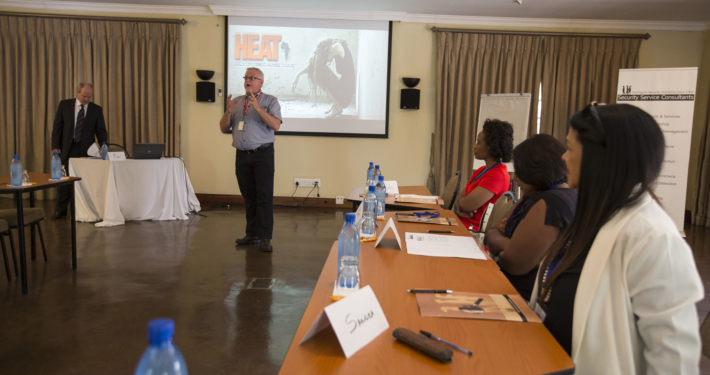
Sometimes, external expertise is essential to fully address compliance issues. Engaging with professionals can provide the insight and support needed to navigate complex regulatory landscapes.
Benefits of an Africa Compliance Audit
Conducting an Africa compliance audit offers a comprehensive evaluation of your current practices. Experts assess your systems against FCPA standards, identifying areas of improvement. This proactive approach helps in aligning your operations with regulatory expectations.
An audit provides clarity and direction, allowing you to implement targeted improvements. It also demonstrates your commitment to compliance, enhancing your company’s reputation and reducing potential risks associated with non-compliance.
The Role of Forensic Investigations
Forensic investigations Africa play a crucial role in uncovering hidden compliance issues. These in-depth probes identify irregularities and provide actionable insights. Engaging forensic experts ensures thorough examinations that can stand up to legal scrutiny.
Forensic investigations are not just reactive; they can be preventive. By regularly conducting these investigations, you can identify potential issues early and address them before they escalate, safeguarding your business against future risks.
Building a Speak-Up Culture in Africa
Encouraging a speak-up culture Africa is vital in maintaining compliance. Empower employees to report suspicious activities without fear of retaliation. This openness can uncover issues that might otherwise go unnoticed.
Implementing a whistleblowing programme provides a structured way for employees to voice concerns. Regular training and clear communication about reporting procedures bolster this culture. By promoting transparency, you can detect and address compliance issues swiftly.
Frequently Asked Questions
What are the common FCPA compliance gaps in Africa?
Common gaps include inadequate third-party due diligence, lack of internal controls testing, and misunderstanding of facilitation payments. Addressing these areas can prevent violations.
How can third-party due diligence be enhanced?
Enhance due diligence by conducting thorough screenings and regularly reviewing relationships. Engage local experts to provide insights and ensure compliance with FCPA standards.
What benefits does an Africa compliance audit offer?
An audit evaluates your practices against FCPA standards, identifies areas for improvement, and aligns your operations with regulatory expectations, reducing risks and enhancing reputation.
Why are forensic investigations crucial for compliance?
Forensic investigations uncover hidden issues and provide insights that withstand legal scrutiny. They are both preventive and reactive, helping to manage compliance proactively.
How can a speak-up culture improve compliance?
A speak-up culture encourages reporting of suspicious activities, allowing you to address issues early. Implementing a whistleblowing programme supports transparency and swift action.
