Posts

FCPA compliance gaps in African operations often remain hidden until they trigger costly investigations. Your current controls might miss critical exposures in third-party due diligence Africa, gifts and hospitality controls, or facilitation payments Africa. This blog reveals where these blind spots lie and outlines practical steps to close them, helping you safeguard your organisation against escalating DOJ SEC FCPA enforcement risks. Book a confidential FCPA exposure assessment today to stay ahead.

Book a confidential FCPA exposure assessment today to stay ahead.

Identifying FCPA Compliance Gaps

Understanding where your FCPA compliance falls short is key to protecting your business. Let’s delve into the critical areas where gaps often exist, especially in African operations.

Critical Control Weaknesses

Your organisation’s control mechanisms might not be as robust as you think. Many companies overlook the need for thorough documentation and regular audits. Without proper records, you risk exposure to FCPA violations. The books and records FCPA requirement mandates accurate and complete records. Missing this step can lead to severe penalties.

Regular internal controls testing should be a priority. This process identifies discrepancies and ensures compliance with FCPA regulations. Companies often assume their controls are sufficient, but without testing, you cannot be sure. A proactive approach helps prevent violations and builds a strong compliance culture.

Hidden Exposures in Africa

Africa presents unique challenges that can lead to hidden compliance gaps. These include understanding beneficial ownership Africa and the complexities of local partnerships. Many businesses fail to conduct comprehensive checks, leaving themselves vulnerable to corruption risks.

Investing in third-party due diligence Africa is crucial. This involves vetting partners thoroughly to uncover potential risks. Local expertise makes a significant difference in identifying hidden threats that can jeopardise your operations. Without it, you could be blindsided by unexpected compliance issues.

Facilitation Payments and Risks

Facilitation payments pose a significant risk in African operations. These small payments made to expedite processes are illegal under the FCPA. However, they are often mistaken for harmless transactions. Misunderstanding the nature of these payments can lead to costly fines.

It’s vital to establish clear gifts and hospitality controls. Define what is acceptable and communicate this across your organisation. Training staff to recognise and report facilitation requests reduces the risk of inadvertently breaking the law. Remember, ignorance is not a defence; vigilance is your best protection.

Effective Remediation Strategies

Addressing compliance gaps begins with implementing effective strategies. By focusing on remediation, you can safeguard your business against potential risks and ensure adherence to FCPA regulations.

Practical Steps for Compliance

Start with a comprehensive FCPA risk assessment. Identify areas of concern and prioritise them based on risk level. Developing a detailed action plan ensures you address each gap effectively. Incorporating regular training sessions for employees enhances understanding and compliance.

Documentation is crucial. Develop a robust system for maintaining records of all transactions and communications. This transparency is essential for proving compliance during audits and investigations. A detailed approach not only addresses current issues but also prevents future ones.

Enhancing Third-Party Due Diligence

Third-party interactions are often where compliance gaps occur. Enhancing due diligence processes helps mitigate this risk. Begin by conducting PEP and sanctions screening to identify high-risk individuals or entities. This step is crucial in avoiding associations with sanctioned parties.

Regularly review third-party relationships. This continuous oversight ensures any changes in risk are promptly addressed. Building strong relationships with reputable local partners can provide invaluable insights into potential compliance issues, allowing for proactive management.

Strengthening Internal Controls

Internal controls are your first line of defence against FCPA violations. Strengthening these systems involves regular audits and updates to ensure they remain effective. Engage in internal controls testing to identify weaknesses and rectify them promptly.

Encourage a culture of compliance within your organisation. This involves training employees to understand FCPA requirements and the importance of adhering to them. A compliance-focused culture fosters accountability and reduces the likelihood of violations.

Engaging Expert Support
Sometimes, external expertise is essential to fully address compliance issues. Engaging with professionals can provide the insight and support needed to navigate complex regulatory landscapes.

Benefits of an Africa Compliance Audit

Conducting an Africa compliance audit offers a comprehensive evaluation of your current practices. Experts assess your systems against FCPA standards, identifying areas of improvement. This proactive approach helps in aligning your operations with regulatory expectations.

An audit provides clarity and direction, allowing you to implement targeted improvements. It also demonstrates your commitment to compliance, enhancing your company’s reputation and reducing potential risks associated with non-compliance.

The Role of Forensic Investigations

Forensic investigations Africa play a crucial role in uncovering hidden compliance issues. These in-depth probes identify irregularities and provide actionable insights. Engaging forensic experts ensures thorough examinations that can stand up to legal scrutiny.

Forensic investigations are not just reactive; they can be preventive. By regularly conducting these investigations, you can identify potential issues early and address them before they escalate, safeguarding your business against future risks.

Building a Speak-Up Culture in Africa

Encouraging a speak-up culture Africa is vital in maintaining compliance. Empower employees to report suspicious activities without fear of retaliation. This openness can uncover issues that might otherwise go unnoticed.

Implementing a whistleblowing programme provides a structured way for employees to voice concerns. Regular training and clear communication about reporting procedures bolster this culture. By promoting transparency, you can detect and address compliance issues swiftly.

Frequently Asked Questions

What are the common FCPA compliance gaps in Africa?

Common gaps include inadequate third-party due diligence, lack of internal controls testing, and misunderstanding of facilitation payments. Addressing these areas can prevent violations.

How can third-party due diligence be enhanced?

Enhance due diligence by conducting thorough screenings and regularly reviewing relationships. Engage local experts to provide insights and ensure compliance with FCPA standards.

What benefits does an Africa compliance audit offer?

An audit evaluates your practices against FCPA standards, identifies areas for improvement, and aligns your operations with regulatory expectations, reducing risks and enhancing reputation.

Why are forensic investigations crucial for compliance?

Forensic investigations uncover hidden issues and provide insights that withstand legal scrutiny. They are both preventive and reactive, helping to manage compliance proactively.

How can a speak-up culture improve compliance?

A speak-up culture encourages reporting of suspicious activities, allowing you to address issues early. Implementing a whistleblowing programme supports transparency and swift action.


Defensible due diligence in Africa demands more than ticking boxes. Your review must withstand scrutiny from regulators and courts alike, covering crucial tests like UBO identification, sanctions screening, and source-of-wealth verification. At Zero Foundation Africa, we deliver rigorous, regulator-ready assessments tailored to navigate Africa’s complex compliance landscape. Read on to learn what every serious due diligence review must test to protect your transactions and reputation.

Defining Defensible Due Diligence

Conducting due diligence in Africa requires more than just checking off a list. It’s about ensuring your reviews are solid against regulatory and legal examinations. Understanding the key elements helps create a strong foundation for compliance.

Key Elements of Defensible Due Diligence

Due diligence is all about verifying identities, financial histories, and legal standings. Start with identifying Ultimate Beneficial Owners (UBO), which is crucial for transparency. Sanctions screening ensures entities aren’t blacklisted, protecting your business from legal trouble. Next, verify the source of wealth to avoid connections to illicit activities. Each step adds layers to your due diligence, creating a comprehensive review that stands up in court. Ensuring accuracy and thoroughness in these checks can prevent future legal and financial repercussions, cementing trust with partners and stakeholders.

Importance of Regulatory Compliance Africa

Compliance in Africa isn’t just about following rules; it’s about maintaining integrity and trust. Regulatory compliance ensures that all business operations align with legal standards. This involves understanding local laws and international regulations like the FCPA and UK Bribery Act. By adhering to these standards, businesses protect themselves from hefty fines and reputational damage. In Africa, where regulations can be complex, compliance is key to sustaining operations and building lasting relationships.

Critical Tests for Due Diligence

To protect your business, certain tests are essential. These tests ensure that every aspect of your operation aligns with legal and ethical standards, reducing risks and enhancing credibility.

Licensing and Regulatory Checks

Checking licenses and regulatory compliance is non-negotiable. Verify that all necessary permits are in place and current. This process involves reviewing business licenses, ensuring adherence to industry regulations, and confirming that operations meet local laws. It’s also vital to assess whether the entity has faced any regulatory actions in the past. Regular checks can reveal potential red flags, providing an opportunity to address issues before they escalate. Staying informed about regulatory updates ensures continuous compliance and operational integrity.

Source of Wealth Verification

Understanding where funds originate is essential for transparency. Source of wealth verification involves tracing the origins of an individual’s or entity’s assets. This step helps identify any links to illegal activities, safeguarding your business from reputational harm. It’s crucial to scrutinise financial records, investment histories, and any significant transactions. By ensuring funds are legitimate, you build confidence with partners and regulators alike. This verification process is a cornerstone of thorough due diligence, protecting your business from future liabilities.

Anti-Bribery and Corruption Measures

In Africa, anti-bribery and corruption measures are critical due to varied regulatory frameworks. Implementing these measures involves setting clear policies and conducting regular training for employees. Review past conduct and potential red flags in dealings with partners and suppliers. Regular audits and whistleblower systems can deter unethical practices. By fostering a culture of integrity and transparency, you mitigate risks of bribery and corruption. These measures not only protect your business but also enhance its reputation in the marketplace.

Zero Foundation Africa: Your Trusted Partner

As a leading corporate intelligence firm, Zero Foundation Africa offers unparalleled support in due diligence. Our expertise ensures every aspect of your review is thorough and compliant.

Comprehensive Range of Services

We offer a wide array of services to meet your due diligence needs. From enhanced background checks to regulatory compliance assessments, our offerings are designed to protect your interests. Each service is tailored to address specific risks in Africa, ensuring you have the insights needed to make informed decisions. Our team leverages local expertise and global standards to deliver reports that are both comprehensive and actionable. With our support, you can confidently navigate the complexities of the African business landscape.

Expertise in Corporate Intelligence Africa

Zero Foundation Africa stands out with its in-depth knowledge and experience in corporate intelligence. Our team comprises skilled professionals who understand the intricacies of African markets. We provide insights that go beyond surface-level checks, offering a deeper understanding of potential risks and opportunities. Our approach combines traditional methods with innovative techniques, ensuring you receive the most accurate information available. Partnering with us means having a dedicated ally committed to your success and security.

Contact Us for a Confidential Scoping Call

Ready to strengthen your due diligence processes? Contact us for a confidential scoping call. Together, we’ll outline the best strategies to protect your business and reputation. Our experts are here to guide you through the complexities of Africa’s regulatory environment, providing the insights needed for informed decision-making. Don’t leave your compliance to chance—partner with Zero Foundation Africa for peace of mind and robust protection.

Frequently Asked Questions

What is defensible due diligence?

Defensible due diligence refers to a thorough review process that can withstand legal and regulatory scrutiny. It involves verifying identities, financial histories, and compliance with local and international laws.

Why is compliance important in Africa?

Compliance in Africa ensures your business adheres to local and international legal standards. It helps prevent legal issues, protects your reputation, and fosters trust with partners and stakeholders.

How can Zero Foundation Africa help with due diligence?

Zero Foundation Africa offers comprehensive services, including background checks, regulatory compliance assessments, and corporate intelligence. Our expertise ensures thorough and compliant reviews tailored to the African context.

Duty of Care no longer stops at your office door. When your teams travel across Africa, rising threats like kidnapping and political unrest demand more than basic insurance or security guards. You must ensure every step—from secure meet-and-greet protocols to vetted accommodation—protects your people and shields your company from costly risks. This guide will show you how to meet your cross-border Duty of Care obligations with a comprehensive travel risk management programme aligned to ISO 31030.

Understanding Duty of Care in Africa

Duty of Care is more than a legal obligation. It’s about ensuring the safety of your employees wherever they travel. With the complexities of African travel, understanding these obligations is crucial.

Legal Obligations and Corporate Manslaughter

The UK Corporate Manslaughter Act of 2007 mandates that companies must ensure employee safety, including when traveling. Neglecting this can lead to severe legal consequences. Many countries now share this stance, emphasizing the importance of a robust travel risk management programme. Ignoring these responsibilities isn’t just a legal risk; it can also damage your company’s reputation.

Expanding Beyond Office Premises

Duty of Care extends beyond office walls. It includes every place your employees travel on business. With risks like political unrest and kidnapping, especially in Africa, businesses must take extra precautions. Corporate travel security policies should be as detailed as those for the office. Ensuring secure accommodation and efficient meet-and-greet protocols are just starting points for comprehensive protection.

The Risks of Neglecting Duty of Care

Failure to meet Duty of Care can result in financial loss and reputational damage. Companies must be proactive in implementing security measures. This means more than just having insurance; it’s about actively reducing risks before they escalate. By prioritizing these obligations, you safeguard your employees and your business.

Corporate Travel Security Strategies

Effective travel security strategies are essential for minimizing risks. From pre-travel intelligence to on-ground protocols, each step plays a critical role.

Pre-Travel Intelligence and Threat Briefings

Before any trip, thorough intelligence briefings are essential. They help identify potential threats and prepare travellers accordingly. By evaluating destinations and current situations, you can arm your team with the knowledge to stay safe. This proactivity is vital for preventing incidents and ensuring smooth travel experiences.

K&R Preparedness and Crisis Management

Kidnap and Ransom (K&R) preparedness is crucial in high-risk areas. Training employees to handle such situations can make the difference in critical moments. Crisis management plans should be in place to ensure quick response times. This readiness not only protects employees but also reinforces company security protocols.

Secure Accommodation and Meet and Greet Protocol

Ensuring secure accommodations is a must. Rooms should be safe and staff vetted. Meet-and-greet protocols at airports also need attention. They should be efficient and secure, minimizing potential risks upon arrival. These protocols form a foundational part of any travel risk management programme.

Enhancing Traveller Safety in High-Risk Areas

Traveller safety in high-risk areas requires specialized strategies. Tailored approaches for different demographics and situations can significantly enhance security.

LGBTQ+ and Female Traveller Security

LGBTQ+ and female travellers face unique challenges. Providing them with specific guidelines and support is essential. Understanding local laws and customs can prevent uncomfortable or even dangerous situations. This attention to detail reflects a comprehensive Duty of Care.

ISO 31030 Compliance and Risk Assessment

Aligning with ISO 31030 ensures that travel risk management practices meet international standards. Regular risk assessments keep your strategies effective and up-to-date. This compliance not only reduces risks but also strengthens your company’s reputation as a responsible employer.

Evacuation Planning and Hostile Environment Training

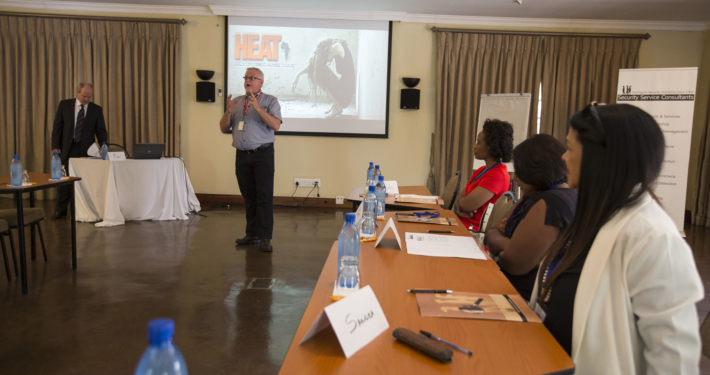
Evacuation plans are critical in emergencies. They must be clear, well-rehearsed, and adaptable. Hostile Environment Training (H.E.A.T.) equips employees with the skills needed to navigate dangerous situations. These preparations can make all the difference when facing unexpected threats.

Frequently Asked Questions

What is Duty of Care for corporate travellers?
Duty of Care ensures the safety and security of employees traveling for business. It includes legal obligations and proactive measures to reduce risks.

How can companies ensure travel security in Africa?
Companies should implement comprehensive travel risk management programmes, including intelligence briefings, secure accommodation, and crisis management strategies.

Why is ISO 31030 compliance important?
ISO 31030 sets international standards for travel risk management, ensuring that practices are effective and up-to-date. Compliance helps protect employees and enhances company reputation.

FCPA compliance Africa poses unique challenges that can threaten your operation’s integrity and reputation. Corruption risk assessment, third-party due diligence Africa, and politically exposed persons screening are just some critical areas where missteps prove costly. This guide breaks down priority risk vectors and shows how Zero Foundation Africa’s proven services protect your business with rapid deployment and court-ready intelligence. Request a confidential FCPA Risk Scan and secure your compliance today.

Understanding FCPA Compliance Risks

Navigating FCPA compliance Africa presents unique challenges that can impact your business. Let’s explore the key risks and how to manage them.

Key Risk Vectors in African Markets

African markets can be complex. Corruption risk assessment is a top concern for many businesses. You might face challenges with local agents and intermediaries. Knowing who you’re dealing with is crucial. Missteps here can lead to serious consequences.

Another vector is the role of state-owned enterprises. These entities often come with their own set of compliance hurdles. Understanding their involvement is key to avoiding violations. Remember, thorough background checks are essential.

Navigating Anti-Bribery and Corruption

Anti-bribery and corruption measures are crucial. Implementing a strong gift and hospitality policy can help. This reduces the risk of facilitation payments. It’s also vital to be aware of sanctions screening Africa. This ensures you don’t engage with restricted parties.

Education is another tool. By training your team on these risks, you bolster internal controls Africa. This knowledge protects your business from potential pitfalls. Always be proactive rather than reactive.

Internal Controls and Enforcement Dynamics

Strengthening your internal controls is critical. Books and records FCPA compliance should be a focus. Accurate documentation is your best defence. Consistent auditing helps you maintain integrity.

Enforcement dynamics can vary. Stay informed about FCPA enforcement DOJ actions. Understanding these can guide your compliance efforts. Adapting to changes ensures long-term success.

Mitigating Compliance Risks Effectively

You can mitigate these compliance risks with targeted strategies. Here’s how to protect your business.

Robust Third-Party Due Diligence Africa

Conducting third-party due diligence Africa is non-negotiable. It’s about knowing your partners. This process involves deep dives into their history. You want no surprises that could jeopardize your standing.

Thorough checks reveal hidden risks. You uncover the truth about partners’ backgrounds. This includes financial and reputational assessments. Remember, this isn’t just good practice; it’s necessary for compliance.

Enhanced Beneficial Ownership Mapping

Beneficial ownership Africa is another layer of due diligence. It’s crucial to identify who really owns or controls entities. This transparency prevents hidden interests from causing issues.

Mapping ownership structures clarifies relationships. It helps pinpoint potential conflicts of interest. This step is vital for maintaining good standing and avoiding penalties.

Politically Exposed Persons and Sanctions Screening

Politically exposed persons screening is essential. These individuals pose higher risks due to their influence. Knowing their involvement can protect against unwanted surprises.

Sanctions screening Africa is equally important. This ensures compliance with international regulations. It’s about safeguarding your operations from unlawful engagements.

Leveraging Zero Foundation Africa’s Expertise

Zero Foundation Africa offers unmatched expertise in navigating FCPA challenges. Let’s see how their services can support you.

Comprehensive Investigations and Asset Tracing

Comprehensive investigations are their forte. They dive into complex scenarios, providing clarity. Asset tracing Africa is part of this. It uncovers hidden assets and ensures compliance.

Their methods are thorough, ensuring nothing is overlooked. This expertise helps you make informed decisions. Protecting your interests is their priority.

Whistleblowing and Internal Compliance Programmes

Whistleblowing programmes are vital. They foster a culture of transparency. Encouraging reporting helps prevent issues before they escalate.

Their internal compliance programmes are robust. They align with international standards, ensuring you’re always compliant. These measures protect your reputation and operations.

Rapid Deployment and Confidential Consultations

Zero Foundation Africa offers rapid deployment solutions. They respond swiftly to your needs. This agility ensures timely compliance support.

Their confidential consultations provide peace of mind. You’re not alone in this journey. Partnering with them means having expert guidance at your fingertips.

Frequently Asked Questions

What are the main FCPA compliance risks in African markets?

The main risks include corruption risk, involvement with politically exposed persons, and state-owned enterprises. Comprehensive due diligence is crucial to mitigate these risks.

How can third-party due diligence help in compliance?

Third-party due diligence reveals hidden risks by assessing partners’ backgrounds. It ensures that you’re engaging with reputable entities, protecting your business from potential violations.

Why is sanctions screening important in Africa?

Sanctions screening ensures compliance with international regulations. It protects your operations from engaging with restricted or illegal parties, safeguarding your business integrity.

By understanding and addressing these compliance challenges, you can effectively navigate the complexities of African markets.

What Enhanced Due Diligence Should Cover in High‑Risk Jurisdictions

Enhanced due diligence in high-risk jurisdictions is more than a checkbox exercise—it is your frontline defence against hidden threats. In African markets, overlooking critical elements like UBO mapping, sanctions screening, and on-the-ground verification can expose your organisation to severe legal and reputational damage. This guide breaks down what your enhanced due diligence must cover to secure your transactions and partnerships with confidence.

Book a confidential consultation with Zero Foundation Africa.

Essential EDD Components

When dealing with high-risk jurisdictions, certain due diligence elements are crucial. Let’s explore the components that will keep your business secure.

Beneficial Ownership and Sanctions

Identifying who ultimately owns a company is key. This helps you avoid risks associated with hidden interests. You can’t always trust what’s on paper. Delve deeper to find the true owners. Look into beneficial ownership structures to ensure transparency. This can protect you from hidden liabilities.

Sanctions screening is equally important. It prevents you from doing business with prohibited entities. By regularly updating your sanctions list, you keep your transactions in line with global regulations. This isn’t just about compliance; it’s about protecting your reputation from potential harm.

Political Exposure and Adverse Media

Understanding political connections is critical. If someone has political ties, there might be risks you need to address. PEP screening—identifying politically exposed persons—helps in this regard. It helps you assess the potential risks of corruption or undue influence.

Meanwhile, adverse media checks reveal past issues that could pose a threat. Negative press can indicate deeper problems. By staying informed, you safeguard your business from reputational damage. Remember, the longer you wait to find these exposures, the more harm they could cause.

Litigation and Asset Tracing

Checking for ongoing or past litigation is essential. It uncovers potential legal challenges you might inherit. Litigation checks reveal disputes that could affect your operations. Don’t let hidden court cases catch you by surprise.

Asset tracing is equally vital. It helps confirm financial stability. If assets are hidden or unclear, it signals potential risks. Knowing the full financial picture aids in making informed decisions and securing your investments.

On-the-Ground Verification

To truly understand a business partner, you need to verify details firsthand. On-the-ground strategies are indispensable.

HUMINT and Source Enquiries

Human intelligence, or HUMINT, offers insights that documents can’t. Local sources provide context and details that remote checks miss. When you use HUMINT, you gather firsthand information, ensuring accuracy.

Source enquiries dive deeper. They involve talking to people with direct knowledge. This could be employees, former partners, or local officials. Their insights help confirm or raise questions about the information you have.

Corporate Filings and Identity Validation

Verification starts with corporate filings. These documents tell you about a company’s history and standing. Identity validation ensures the people you deal with are who they claim to be. This process might seem routine, but errors can lead to big problems.

Mismatch in information is a red flag. It could mean fraud or misrepresentation. By validating identities, you protect your business from potential deceit and safeguard your transactions.

Risk Grading and Monitoring

Once risks are identified, grading and continuous monitoring help manage them effectively.

ESG Risk and Supply Chain Integrity

Environmental, Social, and Governance (ESG) factors are crucial today. They influence a company’s reputation and operational success. ESG risk assessments guide you in aligning your operations with sustainable practices.

Supply chain integrity is another key aspect. Your partners’ practices affect your brand. Verifying their ESG compliance ensures your supply chain aligns with your values. This vigilance helps you avoid surprises and maintain a clean reputation.

Bribery, Corruption and Compliance Standards

Bribery and corruption are major concerns in high-risk areas. Adhering to standards like the FCPA and UK Bribery Act is non-negotiable. These laws guard against unethical practices and protect your business.

Continuous compliance monitoring is vital. It helps identify breaches early and prevent fallout. With the right checks, you reinforce your commitment to ethical operations, building trust with stakeholders and ensuring long-term success.

Enhanced due diligence is a complex yet vital part of operating in high-risk areas. By focusing on these components, you safeguard your business, ensuring a smooth and compliant operation across Africa.