What Enhanced Due Diligence Should Cover in High‑Risk Jurisdictions
Enhanced due diligence in high-risk jurisdictions is more than a checkbox exercise—it is your frontline defence against hidden threats. In African markets, overlooking critical elements like UBO mapping, sanctions screening, and on-the-ground verification can expose your organisation to severe legal and reputational damage. This guide breaks down what your enhanced due diligence must cover to secure your transactions and partnerships with confidence.
Book a confidential consultation with Zero Foundation Africa.
Essential EDD Components

When dealing with high-risk jurisdictions, certain due diligence elements are crucial. Let’s explore the components that will keep your business secure.
Beneficial Ownership and Sanctions
Identifying who ultimately owns a company is key. This helps you avoid risks associated with hidden interests. You can’t always trust what’s on paper. Delve deeper to find the true owners. Look into beneficial ownership structures to ensure transparency. This can protect you from hidden liabilities.
Sanctions screening is equally important. It prevents you from doing business with prohibited entities. By regularly updating your sanctions list, you keep your transactions in line with global regulations. This isn’t just about compliance; it’s about protecting your reputation from potential harm.
Political Exposure and Adverse Media
Understanding political connections is critical. If someone has political ties, there might be risks you need to address. PEP screening—identifying politically exposed persons—helps in this regard. It helps you assess the potential risks of corruption or undue influence.
Meanwhile, adverse media checks reveal past issues that could pose a threat. Negative press can indicate deeper problems. By staying informed, you safeguard your business from reputational damage. Remember, the longer you wait to find these exposures, the more harm they could cause.
Litigation and Asset Tracing
Checking for ongoing or past litigation is essential. It uncovers potential legal challenges you might inherit. Litigation checks reveal disputes that could affect your operations. Don’t let hidden court cases catch you by surprise.
Asset tracing is equally vital. It helps confirm financial stability. If assets are hidden or unclear, it signals potential risks. Knowing the full financial picture aids in making informed decisions and securing your investments.
On-the-Ground Verification
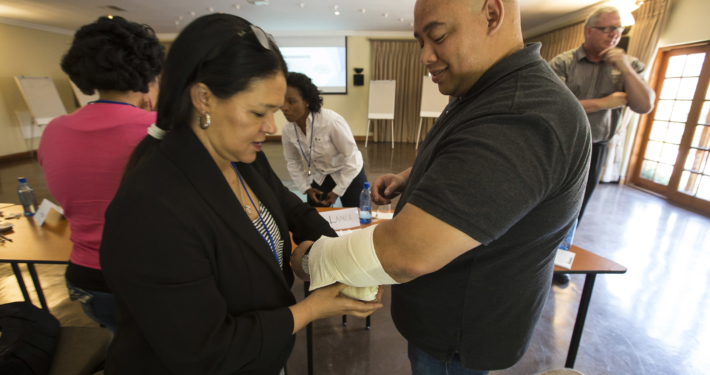
To truly understand a business partner, you need to verify details firsthand. On-the-ground strategies are indispensable.
HUMINT and Source Enquiries
Human intelligence, or HUMINT, offers insights that documents can’t. Local sources provide context and details that remote checks miss. When you use HUMINT, you gather firsthand information, ensuring accuracy.
Source enquiries dive deeper. They involve talking to people with direct knowledge. This could be employees, former partners, or local officials. Their insights help confirm or raise questions about the information you have.
Corporate Filings and Identity Validation
Verification starts with corporate filings. These documents tell you about a company’s history and standing. Identity validation ensures the people you deal with are who they claim to be. This process might seem routine, but errors can lead to big problems.
Mismatch in information is a red flag. It could mean fraud or misrepresentation. By validating identities, you protect your business from potential deceit and safeguard your transactions.
Risk Grading and Monitoring

Once risks are identified, grading and continuous monitoring help manage them effectively.
ESG Risk and Supply Chain Integrity
Environmental, Social, and Governance (ESG) factors are crucial today. They influence a company’s reputation and operational success. ESG risk assessments guide you in aligning your operations with sustainable practices.
Supply chain integrity is another key aspect. Your partners’ practices affect your brand. Verifying their ESG compliance ensures your supply chain aligns with your values. This vigilance helps you avoid surprises and maintain a clean reputation.
Bribery, Corruption and Compliance Standards
Bribery and corruption are major concerns in high-risk areas. Adhering to standards like the FCPA and UK Bribery Act is non-negotiable. These laws guard against unethical practices and protect your business.
Continuous compliance monitoring is vital. It helps identify breaches early and prevent fallout. With the right checks, you reinforce your commitment to ethical operations, building trust with stakeholders and ensuring long-term success.
Enhanced due diligence is a complex yet vital part of operating in high-risk areas. By focusing on these components, you safeguard your business, ensuring a smooth and compliant operation across Africa.