Posts

Local intelligence is not a luxury but a necessity for compliance and security across Africa. Without accurate on-the-ground insights, your decisions risk exposure to regulatory fines, operational failures, and reputational damage. This article reveals how Zero Foundation Africa’s Pan-African investigations and validated HUMINT and OSINT sources provide the clarity your organisation needs to reduce risk and respond swiftly. Read on to see why local intelligence is your decisive advantage in Africa.

Importance of Local Intelligence

Local intelligence plays a critical role in making informed decisions in Africa. It offers the insights needed to manage risks effectively.

Reducing Operational and Legal Risks

Accurate local intelligence helps you navigate complex regulatory environments. With on-the-ground insights, you can avoid costly mistakes. Having access to timely information lets you respond quickly to challenges. This agility protects your operations and maintains your reputation.

Moreover, understanding local contexts reduces exposure to legal issues. You can anticipate potential problems and address them proactively. This foresight saves time and resources, safeguarding your organisation’s future.

Enhancing Compliance with FCPA and ABC

Compliance with international regulations is crucial. Local intelligence provides the data you need to meet these standards. By understanding local customs and practices, you stay ahead of compliance challenges.

Access to reliable local information helps you avoid fines and legal troubles. It ensures your operations align with the Foreign Corrupt Practices Act (FCPA) and anti-bribery and corruption (ABC) laws. This compliance strengthens your global reputation and secures your business interests.

Core Services by Zero Foundation Africa

Zero Foundation Africa offers a comprehensive range of services that leverage local intelligence for effective risk management.

Enhanced Due Diligence and Asset Tracing

Enhanced due diligence is essential for making informed investment decisions. Zero Foundation Africa provides thorough background checks and risk assessments. This service uncovers hidden risks and ensures you have a complete picture of potential partners.

Asset tracing is another critical service. It helps you identify and recover assets across Africa. With detailed investigations, you can protect your financial interests and mitigate potential losses.

Security Management and Counter-Surveillance Consultancy

Security management consultancy provides tailored strategies to protect your organisation. With expert advice, you can implement effective security measures and prevent potential threats.

Counter-surveillance consultancy offers protection against information leaks. By identifying vulnerabilities, this service helps you secure sensitive communications. You can operate confidently, knowing your information is safe.

Benefits of Pan-African Investigations

Pan-African investigations offer a comprehensive view of the risks and opportunities in Africa.

Source Validation and HUMINT/OSINT Integration

Reliable information is key to effective decision-making. Pan-African investigations integrate human intelligence (HUMINT) and open-source intelligence (OSINT) for accurate insights. This integration ensures you have a complete and reliable data set to guide your decisions.

Source validation is crucial for verifying information accuracy. By confirming the credibility of data sources, you avoid misinformation and make well-informed decisions.

Effective Third-Party Risk Management and Sanctions Screening

Managing third-party risks is vital for maintaining business integrity. Pan-African investigations offer robust risk management strategies. These strategies help you assess potential partners and avoid partnerships that could harm your reputation.

Sanctions screening is another important aspect. By identifying sanctioned entities, you can avoid legal trouble and protect your business. This proactive approach ensures compliance with international laws and secures your operations.

Frequently Asked Questions

What is HUMINT and OSINT integration?

HUMINT (Human Intelligence) involves gathering information from human sources, while OSINT (Open Source Intelligence) uses publicly available data. Integration of these methods provides comprehensive insights for decision-making.

Why is local intelligence important for FCPA compliance?

Local intelligence helps you understand regional practices and anticipate compliance challenges. It ensures adherence to the Foreign Corrupt Practices Act, avoiding fines and protecting your reputation.

How do Pan-African investigations support risk management?

Pan-African investigations provide thorough risk assessments and source validation. This approach helps you manage third-party risks and comply with international regulations, safeguarding your operations.
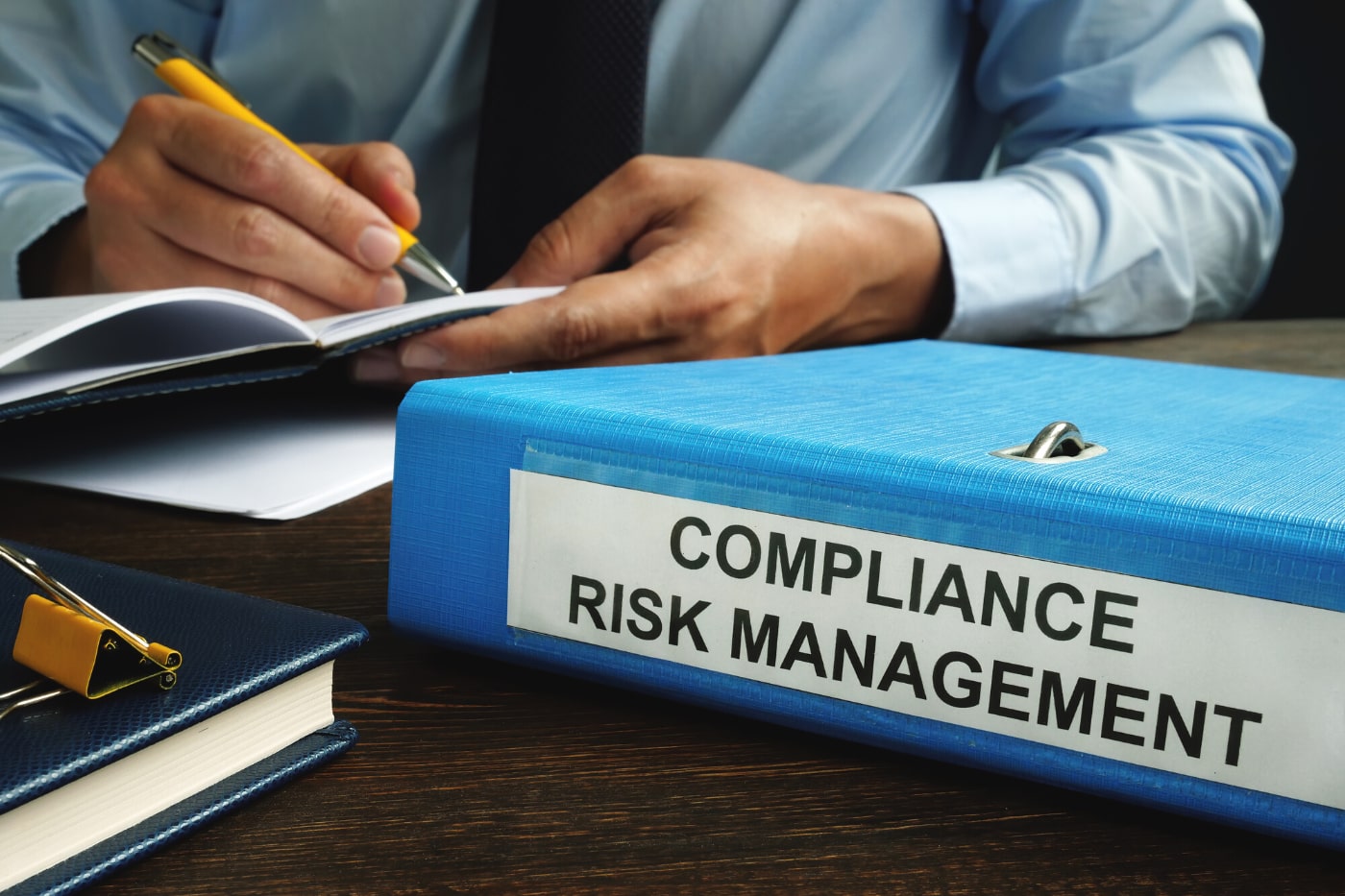

Local intelligence is the difference between costly compliance pitfalls and secure cross-border operations in Africa. You know the risks: FCPA compliance, UK Bribery Act breaches, AML/CFT failures, and sanctions violations can shut down your projects overnight. Drawing on on-the-ground HUMINT and expert third-party due diligence, Zero Foundation Africa cuts through these threats with precision. Read on to see how local insight reduces your regulatory exposure and keeps your business moving.

Harnessing Local Intelligence

Understanding local dynamics is crucial in navigating the complex landscape of African business operations. Let’s explore how you can tap into valuable insights.

Benefits of On-the-Ground HUMINT

Imagine having a network of local informants providing real-time insights into business environments. This is the power of on-the-ground HUMINT (Human Intelligence). With it, you gain access to local knowledge that can flag potential compliance issues before they escalate. This means avoiding costly fines or business shutdowns. For instance, knowing which local customs align with international regulations can save you from unintended breaches.

Local intelligence also helps you anticipate challenges. It provides a clear picture of the regulatory landscape, allowing you to navigate it effectively. By leveraging these insights, you make informed decisions that keep your operations running smoothly. Most businesses assume they can handle compliance with remote tools, but nothing beats the assurance of having feet on the ground.

Reducing FCPA and UK Bribery Act Risks

The FCPA (Foreign Corrupt Practices Act) and the UK Bribery Act are formidable laws that demand strict adherence. Many companies have underestimated their reach and faced severe penalties. The good news is that understanding local practices can minimize your risks. Local intelligence acts as your guide, ensuring that you avoid actions that could be misconstrued as corrupt practices.

With accurate information about how business is done locally, you make decisions that align with both local norms and international laws. This means fewer surprises and more controlled operations. Imagine the peace of mind that comes from knowing you’ve taken every precaution to stay compliant. It’s not just about avoiding fines; it’s about maintaining your company’s reputation.

Enhancing AML and Sanctions Screening

Your business can’t afford to be on the wrong side of AML (Anti-Money Laundering) and sanctions regulations. Local intelligence offers the insight needed to strengthen your screening processes. By understanding local financial systems, you can identify unusual patterns that might signal money laundering activities.

This approach empowers you to take proactive steps in compliance. You ensure that every transaction aligns with regulations, protecting your business from potential sanctions. The longer you wait to enhance your screening, the greater the risk. Investing in local intelligence is investing in your company’s future safety.

Mitigating Cross-Border Compliance Exposure

Keeping your business compliant across borders requires vigilance and the right tools. Here’s how you can tackle these challenges head-on.

The Role of Third-Party Due Diligence

Third-party relationships can be a source of risk if not properly managed. Conducting thorough due diligence on vendors and partners is essential. By vetting these third parties, you gain insights into their practices, helping you avoid associations with non-compliant entities. This due diligence acts as your shield against unexpected regulatory issues.

Most assume that a basic background check suffices, but real protection comes from digging deeper. Detailed investigations reveal the true nature of potential partners. The effort spent in due diligence is minimal compared to the costs of compliance breaches.

Effective Vendor Risk Management

Managing vendor relationships is more than just signing a contract. It’s about ongoing vigilance. Effective vendor risk management involves continuous monitoring of your partners’ compliance with regulations. This proactive stance means you can address issues before they impact your business.

Regular audits and checkpoints are crucial. They ensure that your partners remain aligned with your compliance standards. By maintaining this oversight, you not only protect your operations but also strengthen your business network. Remember, the more informed your decisions, the more secure your business.

Beneficial Ownership Mapping Insights

Knowing who truly controls a company is vital in managing risks. Beneficial ownership mapping uncovers the actual decision-makers behind the scenes. This transparency is crucial in compliance, ensuring that you know exactly who you’re dealing with.

This insight is often overlooked, but it’s a critical step in protecting your business from hidden risks. By mapping ownership, you prevent associations with entities that could jeopardize your compliance standing. This extra layer of diligence pays off by safeguarding your operations.

Comprehensive Corporate Investigations in Africa

Thorough investigations are key in understanding and mitigating risks. Let’s delve into why they’re essential for your business.

Conducting Pan-African Investigations

Operating across Africa means dealing with diverse regulations and risks. Comprehensive Pan-African investigations ensure that you remain compliant across all regions. These investigations provide a complete view of the regulatory landscape, helping you navigate it with confidence.

Armed with detailed insights, you can implement strategies that mitigate risks effectively. This approach challenges the common belief that one-size-fits-all solutions work. Each region has unique compliance demands that require tailored strategies.

Navigating Regulatory Exposure and Market Entry Risks

Entering new markets carries inherent risks. Understanding the regulatory environment is crucial in mitigating these risks. By conducting thorough assessments, you identify potential pitfalls before they affect your operations.

This proactive stance allows you to adapt your strategies to meet local compliance requirements. It also boosts your confidence in market entry, knowing that you have a comprehensive understanding of the landscape. The longer you delay this step, the more vulnerable your business becomes.

Adverse Media and PEP Screening Techniques

In today’s digital age, media can shape perceptions. Adverse media and PEP (Politically Exposed Persons) screenings help protect your business from reputational damage. By monitoring mentions and associations, you stay ahead of potential risks.

This vigilance ensures that your business partners and associates are free from affiliations that could harm your reputation. It’s a proactive approach that helps maintain your standing in the market. Remember, the more you know, the better you can protect your brand.

By harnessing local intelligence and implementing comprehensive compliance strategies, you safeguard your business against risks. These steps not only protect your operations but also strengthen your position in the market. Embrace the power of informed decisions and secure your business’s future across Africa.

Risk Management South Africa

What Enhanced Due Diligence Should Cover in High‑Risk Jurisdictions

Enhanced due diligence in high-risk jurisdictions is more than a checkbox exercise—it is your frontline defence against hidden threats. In African markets, overlooking critical elements like UBO mapping, sanctions screening, and on-the-ground verification can expose your organisation to severe legal and reputational damage. This guide breaks down what your enhanced due diligence must cover to secure your transactions and partnerships with confidence.

Book a confidential consultation with Zero Foundation Africa.

Essential EDD Components

When dealing with high-risk jurisdictions, certain due diligence elements are crucial. Let’s explore the components that will keep your business secure.

Beneficial Ownership and Sanctions

Identifying who ultimately owns a company is key. This helps you avoid risks associated with hidden interests. You can’t always trust what’s on paper. Delve deeper to find the true owners. Look into beneficial ownership structures to ensure transparency. This can protect you from hidden liabilities.

Sanctions screening is equally important. It prevents you from doing business with prohibited entities. By regularly updating your sanctions list, you keep your transactions in line with global regulations. This isn’t just about compliance; it’s about protecting your reputation from potential harm.

Political Exposure and Adverse Media

Understanding political connections is critical. If someone has political ties, there might be risks you need to address. PEP screening—identifying politically exposed persons—helps in this regard. It helps you assess the potential risks of corruption or undue influence.

Meanwhile, adverse media checks reveal past issues that could pose a threat. Negative press can indicate deeper problems. By staying informed, you safeguard your business from reputational damage. Remember, the longer you wait to find these exposures, the more harm they could cause.

Litigation and Asset Tracing

Checking for ongoing or past litigation is essential. It uncovers potential legal challenges you might inherit. Litigation checks reveal disputes that could affect your operations. Don’t let hidden court cases catch you by surprise.

Asset tracing is equally vital. It helps confirm financial stability. If assets are hidden or unclear, it signals potential risks. Knowing the full financial picture aids in making informed decisions and securing your investments.

On-the-Ground Verification

To truly understand a business partner, you need to verify details firsthand. On-the-ground strategies are indispensable.

HUMINT and Source Enquiries

Human intelligence, or HUMINT, offers insights that documents can’t. Local sources provide context and details that remote checks miss. When you use HUMINT, you gather firsthand information, ensuring accuracy.

Source enquiries dive deeper. They involve talking to people with direct knowledge. This could be employees, former partners, or local officials. Their insights help confirm or raise questions about the information you have.

Corporate Filings and Identity Validation

Verification starts with corporate filings. These documents tell you about a company’s history and standing. Identity validation ensures the people you deal with are who they claim to be. This process might seem routine, but errors can lead to big problems.

Mismatch in information is a red flag. It could mean fraud or misrepresentation. By validating identities, you protect your business from potential deceit and safeguard your transactions.

Risk Grading and Monitoring

Once risks are identified, grading and continuous monitoring help manage them effectively.

ESG Risk and Supply Chain Integrity

Environmental, Social, and Governance (ESG) factors are crucial today. They influence a company’s reputation and operational success. ESG risk assessments guide you in aligning your operations with sustainable practices.

Supply chain integrity is another key aspect. Your partners’ practices affect your brand. Verifying their ESG compliance ensures your supply chain aligns with your values. This vigilance helps you avoid surprises and maintain a clean reputation.

Bribery, Corruption and Compliance Standards

Bribery and corruption are major concerns in high-risk areas. Adhering to standards like the FCPA and UK Bribery Act is non-negotiable. These laws guard against unethical practices and protect your business.

Continuous compliance monitoring is vital. It helps identify breaches early and prevent fallout. With the right checks, you reinforce your commitment to ethical operations, building trust with stakeholders and ensuring long-term success.

Enhanced due diligence is a complex yet vital part of operating in high-risk areas. By focusing on these components, you safeguard your business, ensuring a smooth and compliant operation across Africa.