Posts

Corporate security management in Africa demands controls tailored to the continent’s unique threat landscape. Generic solutions waste resources and leave gaps that expose your assets and reputation. You need localised security controls backed by Pan-African intelligence and board-certified expertise to manage risks effectively. This guide outlines how Zero Foundation Africa’s proven approach closes those gaps, ensuring compliance and resilience in complex environments across all 55 countries.

Understanding African Security Challenges

In Africa, every region presents its own set of security challenges. Understanding these is key to protecting your assets effectively.

Localised Threat Landscapes

Africa’s diverse environments mean threats vary significantly. Each country has its own political dynamics, economic conditions, and social factors that influence security. For example, urban areas may face higher risks of theft and cybercrime, while rural regions might encounter different challenges. Knowing these distinctions helps in tailoring security measures that are both effective and efficient. Localised security controls are crucial to address these unique issues and ensure that resources are not wasted on irrelevant threats.

Security Risk Management Strategies

Managing security risks in Africa requires a strategic approach. The first step is conducting a thorough security risk management analysis. This involves identifying potential threats and assessing their impact. Developing a strategy involves prioritising risks and implementing control measures accordingly. Use predictive tools to anticipate future threats. Regular reviews and updates to the strategy ensure it stays relevant as situations change. Ultimately, a well-executed strategy not only protects but also enhances business resilience.

Designing Effective Security Controls

Designing security measures that work for Africa requires a blend of local insight and global standards.

Proportionate Control Measures

Implementing control measures that are proportionate to the threat is essential. Overestimating threats can lead to unnecessary expenses, while underestimating them can leave your assets vulnerable. Start by evaluating the specific threats to your operations, then design controls that directly address these issues. For instance, enhanced due diligence might be necessary in high-risk areas to prevent fraud and compliance issues. The key is to ensure that every measure is justified by the threat it mitigates.

Board-Certified Security Management

Relying on board-certified expertise ensures that your security approach is both comprehensive and compliant with international standards. This guarantees that best practices are followed, providing peace of mind and operational integrity. Board-certified professionals bring a wealth of knowledge in designing and implementing security systems that integrate seamlessly with existing operations. Their expertise can transform your security from a reactive stance to a proactive strategy, anticipating and neutralising threats before they materialise.

Advanced Security Services in Africa
For more specialised needs, advanced security services offer targeted solutions that go beyond basic measures.

Technical Surveillance and Counter-Surveillance

Technical surveillance services are vital in high-stakes environments. These services include audio and video monitoring to gather intelligence for legal investigations. Counter-surveillance, such as TSCM, protects against unauthorised monitoring, ensuring your operations remain confidential. These solutions are essential in environments where information security is paramount, and the risks of espionage or data leaks are high. By using these advanced tools, you can safeguard sensitive information and maintain a competitive edge.

Hostile Environment Awareness Training

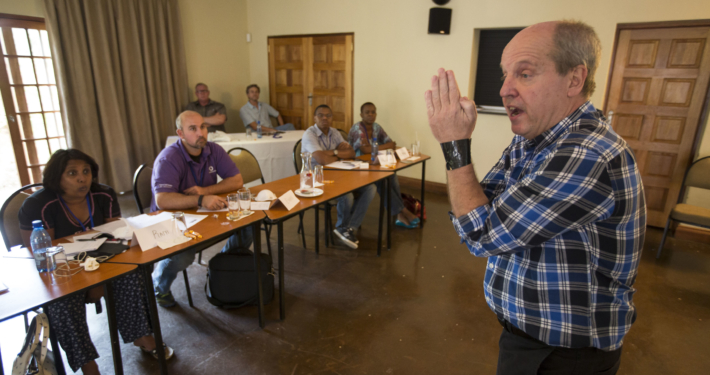
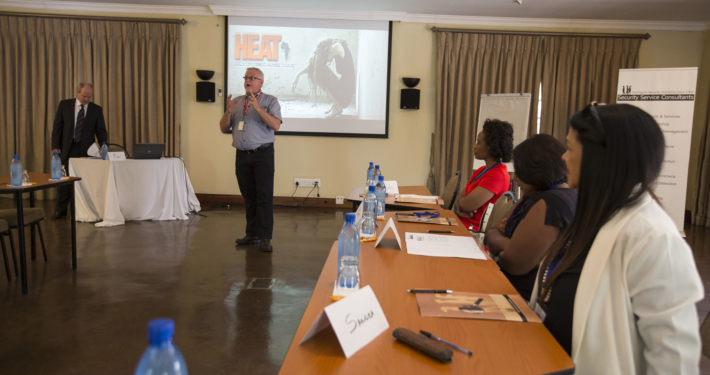
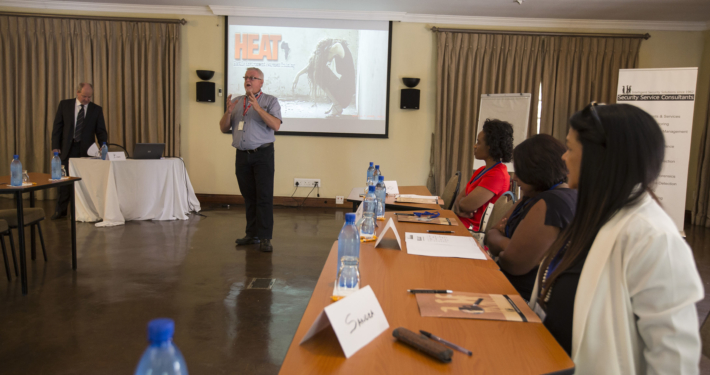
In regions with elevated risks, Hostile Environment Awareness Training (H.E.A.T.) prepares your team for the unexpected. This training equips personnel with the skills to handle crisis situations, enhancing both personal safety and operational continuity. Participants learn to navigate challenging environments, respond to threats, and ensure the safety of their colleagues. H.E.A.T. is an invaluable resource for teams operating in non-permissive environments, empowering them to act decisively under pressure and ensuring that they can continue their mission safely and effectively.

Frequently Asked Questions

What is the importance of localised security controls in Africa?

Localised security controls are crucial as they address specific threats unique to each region, ensuring resources are used efficiently and vulnerabilities are minimized.

How does board-certified expertise benefit security management?

Board-certified experts adhere to international standards, providing comprehensive and compliant security solutions that enhance operational integrity and anticipate potential threats.

Why is technical surveillance important for businesses?

Technical surveillance services gather crucial intelligence for legal investigations, while counter-surveillance protects sensitive information from unauthorised access and espionage.

What are the key components of Hostile Environment Awareness Training?

This training includes crisis response, threat navigation, and operational continuity skills, ensuring personnel can safely and effectively manage risks in non-permissive environments.

How do advanced security services support legal investigations?

They provide audio and video monitoring tools that collect evidence, ensuring that investigations are thorough and that findings are actionable in legal contexts.
Local threat intelligence Africa is often overlooked in corporate security management Africa. Many firms rely on generic controls that miss crucial regional risks. Your operations demand tailored strategies that address specific threats present across the continent. This post outlines how to build effective security controls aligned with Africa’s unique risk environment and regulatory demands.

Tailoring Security Controls in Africa

To protect your business in Africa, you need a tailored approach to security management. It’s about knowing the specific risks and adjusting your strategies accordingly. Here’s how you can focus on local threats and craft robust security frameworks.

Understanding Local Threats

Local threats in Africa can vary greatly from one region to another. It’s critical to identify these unique risks so you can address them effectively. Consider the political climate, economic conditions, and social structures. By understanding these factors, you can predict potential threats and prepare accordingly. This insight helps you safeguard your assets and ensure your operations run smoothly.

Designing Effective Security Frameworks

After identifying the threats, it’s time to design a security framework that meets these challenges head-on. Start by evaluating your current security measures. Are they sufficient for the risks you’ve identified? If not, make necessary adjustments. Develop protocols that are flexible yet strong enough to handle unexpected situations. This framework should be a living document, regularly updated to reflect the changing threat landscape.

Engaging Expert Security Consultancy

When it comes to implementing these frameworks, consulting with experts can be invaluable. They bring years of experience and local knowledge to the table. An expert can guide you through complex regulatory environments and offer practical solutions tailored to your needs. This partnership ensures your security measures are both comprehensive and compliant, offering peace of mind as you focus on your core business.

Intelligence-Led Security Management

Your security strategy should be driven by intelligence. By integrating predictive insights, you can stay ahead of potential threats and maintain a proactive stance.

Integrating Predictive Intelligence

Predictive intelligence empowers you to anticipate future risks. By analysing data trends, you can make informed decisions that protect your interests. This approach not only shields you from potential threats but also enhances your operational efficiency. Staying one step ahead ensures you’re always prepared for what’s next.

Enhanced Due Diligence in Africa

In Africa, enhanced due diligence is vital. It involves thorough background checks and continuous monitoring to mitigate risks. This process helps you verify the integrity of partners and vendors, ensuring they align with your standards. With enhanced due diligence, you protect your reputation and make informed decisions that support your business goals.

Compliance and Governance Strategies

Legal compliance is non-negotiable. Governance strategies tailored for Africa can help you navigate the complex regulatory landscape. Ensure you are familiar with local laws and international standards. Implementing strong governance frameworks not only keeps you compliant but also builds trust with stakeholders, reinforcing your position in the market.

Building Confidence in Security Solutions

Confidence in your security measures comes from knowing they are comprehensive and well-implemented. Focus on countermeasures, training, and travel policies to build a robust security posture.

Technical Surveillance Countermeasures

Technical surveillance countermeasures protect you from covert monitoring. Regular sweeps and checks can prevent information leaks and secure sensitive communications. This proactive stance ensures your business conversations remain confidential, protecting your strategic interests.

Hostile Environment Awareness Training

Hostile environment awareness training prepares your team for challenging situations. Through realistic simulations, they gain the skills needed to navigate and survive difficult environments. This training is essential for operations in high-risk areas, providing your team with the confidence and capability to handle unexpected events.

Travel Security Policy Design for Africa

Travel security policies are crucial for business operations in Africa. These policies should address the unique risks associated with travel across the continent. Ensure they are comprehensive and include protocols for emergency situations. A well-designed policy not only protects your employees but also supports your duty-of-care obligations.

Frequently Asked Questions

What is the importance of local threat intelligence in Africa?
Local threat intelligence is crucial because it addresses specific regional risks that generic controls may overlook. By understanding local threats, businesses can tailor their security measures to be more effective.

How can businesses ensure compliance with African regulations?
To ensure compliance, businesses should implement governance strategies that align with both local laws and international standards. Regular audits and expert consultations can also help maintain compliance.

Why is enhanced due diligence important in Africa?
Enhanced due diligence is important because it helps verify the integrity of partners and vendors, reducing the risk of fraud and corruption. It ensures that business relationships are built on trust and compliance.

What are the benefits of technical surveillance countermeasures?
Technical surveillance countermeasures prevent covert monitoring and protect sensitive information. They help maintain confidentiality and safeguard strategic business interests.

How does hostile environment awareness training benefit employees?
Hostile environment awareness training equips employees with the skills needed to navigate high-risk areas safely. It boosts their confidence and capability to handle challenging situations effectively.