Posts

FCPA compliance Africa presents unique challenges that often start with overlooked local risks. You face exposure through third-party relationships, facilitation payments, and procurement fraud—each demanding targeted controls. This guide outlines where your vulnerabilities lie and how to implement a practical framework that reduces risk effectively. Read on to secure your operations and safeguard your licence to operate across the continent.

Request a confidential FCPA Exposure Assessment for your African operations. Speak to our board‑certified experts today and receive a prioritised remediation plan within 10 working days.

Understanding FCPA Compliance in Africa

Navigating the regulatory landscape of Africa requires keen insight into local nuances. Understanding where your business might be exposed is the first step toward safeguarding your operations.

Key Exposure Points for Businesses

Businesses face various exposure points, particularly through interactions with third-party agents and officials. Facilitation payments, although often seen as minor, can quickly escalate into significant risks. Companies engaging in procurement activities must also be vigilant about potential fraud. For example, a $5,000 facilitation payment to a customs official might seem minor, but it can lead to larger compliance issues. Auditing these interactions thoroughly is crucial to maintain compliance.

Unique Challenges in African Markets

African markets present unique challenges, significantly influenced by diverse regulatory environments and cultural dynamics. Language barriers and differing legal standards can complicate compliance efforts. Companies need to understand these complexities to mitigate risks effectively. For instance, navigating local customs laws without expert guidance could expose businesses to unanticipated fines or sanctions. To succeed, businesses must cultivate a deep understanding of these regulatory nuances.

High-Risk Sectors and Activities

Certain sectors are particularly prone to FCPA violations, including construction, mining, and healthcare. These industries often involve significant government interaction, which increases the risk of bribery and corruption. Activities such as obtaining licenses or negotiating supply contracts are common areas where businesses encounter risk. By recognising these high-risk areas, companies can focus their compliance efforts more strategically, prioritising training and controls where they are most needed.

Mitigating FCPA Risks Effectively

Addressing FCPA risks requires a structured and proactive approach. Developing a comprehensive control framework is essential to shield your business.

Developing a Comprehensive Control Framework

To mitigate risk, a control framework must cover all operational aspects. This includes robust internal controls, clear policies, and staff training. Companies should implement regular audits to identify potential vulnerabilities. Imagine implementing a system that flags transactions over $1,000 for review—such controls can prevent small issues from becoming major violations. By ensuring that all employees understand these protocols, businesses can reduce the likelihood of non-compliance.

Role of Third-Party Due Diligence

Third-party due diligence is critical. It involves thoroughly vetting partners, suppliers, and agents to ensure compliance with anti-bribery laws. Conducting beneficial ownership checks and PEP screenings can prevent unwanted surprises. For example, discovering that a supplier is related to a government official could alert you to potential conflicts of interest. Consistently applying these checks helps maintain integrity and reduce exposure to external risks.

Importance of Continuous Monitoring Programmes

Continuous monitoring allows for real-time risk assessment. This approach enables companies to detect anomalies early, such as unusual transaction patterns or sudden changes in supplier behaviour. Implementing a continuous monitoring programme ensures that compliance is an ongoing process, not a one-time effort. By staying vigilant, companies can quickly adapt to new threats and maintain their compliance standing.

Partnering with Zero Foundation Africa

Zero Foundation Africa offers unmatched expertise in navigating the complexities of FCPA compliance across the continent.

Expertise in Anti-Bribery and Corruption

Our team specialises in anti-bribery strategies tailored for African markets. With over 65 years of combined experience, we provide insights that directly address your compliance challenges. Our board-certified experts ensure that your business stays ahead of regulatory requirements.

Solutions for Enhanced Compliance

We deliver comprehensive solutions, including risk assessments and programme uplifts. Our services help mitigate the risk of significant fines and legal challenges. By utilising our local networks, we offer solutions that are both actionable and contextually relevant, ensuring your compliance is robust and effective.

Benefits of Our Local Networks and Insights

Operating across 55 African countries, Zero Foundation Africa has developed deep local insights. This extensive network enables us to provide tailored solutions that reflect the unique regulatory environments of each country. Our local expertise ensures that your business can operate confidently and securely, knowing that compliance risks are effectively managed.

Frequently Asked Questions

What is FCPA compliance, and why is it crucial in Africa?

FCPA compliance involves adhering to the US Foreign Corrupt Practices Act, which prohibits bribery of foreign officials. In Africa, where regulatory environments can be complex, compliance ensures legal operations and avoids fines.

How can continuous monitoring help in FCPA compliance?

Continuous monitoring helps detect potential risks early by assessing transaction patterns and third-party interactions in real-time. This proactive approach allows businesses to maintain compliance and prevent violations.

Why is third-party due diligence vital for companies in Africa?

Third-party due diligence is crucial as it involves vetting partners and suppliers to ensure they adhere to compliance standards. This prevents exposure to bribery risks and protects the company’s reputation.

FCPA compliance Africa carries heightened risk in complex markets across the continent. Your exposure often starts with third-party relationships, undisclosed beneficial ownership, and weak internal accounting controls. This post outlines where risks emerge and how Zero Foundation Africa‘s targeted controls shield your operations. Read on to learn how to safeguard your business with proven anti-bribery compliance strategies and expert investigative support.

Understanding FCPA Exposure in Africa

Navigating the business landscape in Africa presents unique challenges, especially when it comes to the Foreign Corrupt Practices Act (FCPA). High exposure often starts with external partnerships and inadequate internal procedures.

Key Risk Factors in African Markets

Africa’s diverse markets require a keen understanding of local customs and regulations. You face heightened risks through third-party interactions and undisclosed ownership. These elements can conceal corrupt practices, leading to potential legal issues. Weak internal accounting further amplifies these risks, making your business vulnerable to compliance breaches. By recognising these factors, you can take proactive steps to safeguard your operations.

Identifying High-Risk Transactions

Transactions involving government officials or entities often carry higher risk. When operating in Africa, it’s crucial to scrutinise such deals closely. Ensure transparency and thorough documentation. Without proper oversight, these transactions may fall into grey areas, increasing your exposure to FCPA violations. Regular audits and stringent controls can help identify and mitigate these high-risk dealings effectively.

Addressing Facilitation Payments Africa

Facilitation payments, often seen as minor incentives, pose significant compliance risks. They are common in some areas, yet they fall under illegal activities in FCPA terms. Understanding how these payments differ from bribes is key to compliance. Implement clear policies and training to distinguish and avoid these payments in your operations. This approach not only ensures legal compliance but also strengthens your ethical business practices.

Mitigating FCPA Compliance Risks

Reducing FCPA risks involves a strategic approach to compliance. By implementing targeted measures, you can protect your business from potential pitfalls.

Implementing Anti-bribery Compliance Measures

Establishing a robust anti-bribery framework is essential. Develop clear policies and provide regular training to your employees. These measures create a strong foundation for compliance. Regular monitoring ensures that these policies are effectively enforced. By prioritising anti-bribery practices, you safeguard your organisation from unethical conduct and legal repercussions.

Enhancing Due Diligence Processes

Thorough due diligence is your first line of defence against FCPA violations. It involves vetting partners, verifying beneficial ownership, and assessing potential risks. This process is crucial for identifying politically exposed persons or high-risk individuals involved in your operations. Enhanced due diligence not only protects your business but also assures stakeholders of your commitment to ethical practices.

Strengthening Books and Records Controls

Accurate documentation and transparent records are vital for compliance. Implement controls that ensure all transactions are recorded accurately. Regular audits and reviews help maintain integrity and detect discrepancies early. Strong books and records controls provide a clear audit trail, crucial for defending against any allegations of misconduct.

Zero Foundation Africa’s Proven Solutions

Zero Foundation Africa offers tailored solutions to mitigate FCPA risks, ensuring your business remains compliant and secure.

Comprehensive Third-party Risk Management Africa

Managing third-party risks requires a strategic approach. Zero Foundation Africa provides in-depth assessments and ongoing monitoring of your partners. This proactive management reduces exposure to potential compliance issues, safeguarding your operations across Africa. By leveraging our expertise, you gain peace of mind and focus on your core business activities.

Effective Corruption Risk Assessment Techniques

Understanding potential corruption risks is crucial for compliance. Our targeted assessment techniques identify vulnerabilities in your operations. We provide actionable insights, allowing you to implement effective mitigation strategies. With Zero Foundation Africa, you gain a partner dedicated to protecting your business from corruption-related threats.

Strategic Compliance Training Africa

Empower your team with knowledge and skills to navigate compliance challenges. Our customised training programs focus on practical scenarios and real-world applications. By fostering a culture of compliance, you enhance your organisation’s resilience against FCPA risks. Zero Foundation Africa supports your journey towards a compliant and ethically sound business environment.

Frequently Asked Questions

What are the main FCPA risks in Africa?
High FCPA risks in Africa arise from third-party relationships and transactions involving government officials. Weak internal controls and undisclosed beneficial ownership can further increase exposure.

How can I identify high-risk transactions?
High-risk transactions often involve complex dealings with government officials or entities. Conducting thorough audits and maintaining transparent records help identify and manage these risks effectively.

What is the difference between facilitation payments and bribes?
Facilitation payments are small payments to expedite routine government actions, often seen as minor incentives. However, under FCPA, they are considered illegal and similar to bribes.

How can Zero Foundation Africa help with FCPA compliance?
Zero Foundation Africa offers tailored solutions including third-party risk management, corruption risk assessment, and strategic compliance training to help businesses navigate FCPA compliance challenges in Africa.

Why is due diligence important for FCPA compliance?
Due diligence helps identify potential risks and verify beneficial ownership. It ensures transparency and protects your business from engaging with high-risk individuals or entities, thus mitigating FCPA exposure.

FCPA compliance Africa presents challenges that catch many off guard. You face complex risks from third parties, state-owned entities, and public procurement processes. Understanding where your exposure begins lets you take swift, focused action to prevent costly breaches. This guide reveals key risk points and how Zero Foundation Africa supports your proactive defence and rapid response.

Navigating FCPA Compliance in Africa

Understanding Risk Exposure Points

Navigating the complex landscape of FCPA compliance in Africa demands an understanding of exposure points. Here’s where your journey begins, ensuring you’re well-prepared to tackle potential risks.

In Africa, FCPA compliance means identifying where risks originate. This involves several key areas. First, interactions with government officials are common in business dealings, increasing the likelihood of inadvertent breaches. Next, public procurement processes often involve intricate regulations that can pose challenges. Third-party partners, including vendors and agents, can also expose you to risks if their actions do not align with FCPA standards.

Being aware of these exposure points is your first line of defence. With this knowledge, you can take preemptive measures to protect your business. By doing so, you reduce the chances of facing hefty fines or reputational damage. Remember, the best offence is a good defence; knowing where risks lurk helps you stay one step ahead.

Importance of Third-Party Due Diligence

Third-party due diligence is the backbone of a robust compliance programme. It’s crucial because third parties often interact with government officials on your behalf, creating potential risk exposure.

When you engage a third party, you need to ensure they operate within ethical boundaries. This involves conducting thorough background checks to verify their integrity and compliance history. Screening processes should include checks for past violations or affiliations with questionable entities. This helps prevent inadvertent involvement in corrupt practices.

Establishing clear guidelines for third-party interactions is important. Define acceptable practices and ensure your partners understand your compliance expectations. Regular audits and monitoring of these partners are essential to ensure ongoing compliance. By being vigilant, you can maintain control over your compliance landscape and mitigate potential risks effectively.

Effective SOE Interaction Protocols

Interacting with State-Owned Entities (SOEs) requires careful navigation to avoid compliance pitfalls. Understanding the unique dynamics of these interactions is crucial for maintaining FCPA compliance.

SOEs often play a significant role in African markets, and dealings with them can present challenges. You must ensure that any interaction adheres to strict ethical standards. This begins with establishing clear protocols for communication and negotiation. Transparency in all dealings is essential to avoid any appearance of impropriety.

Training your team on the nuances of SOE interactions is also key. Ensure they understand the importance of maintaining integrity and following established protocols. Regular reviews of these interactions can identify any areas of concern early on. By doing so, you strengthen your compliance framework and minimise the risk of inadvertent breaches.

Proactive Mitigation Strategies
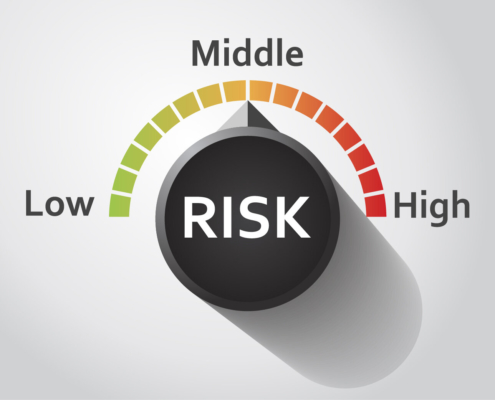
Conducting Comprehensive Risk Assessments

Effective compliance strategies start with a detailed risk assessment. Identifying specific areas of concern allows you to take targeted actions that safeguard your business.

Risk assessments involve a thorough evaluation of your operations, focusing on areas prone to FCPA violations. This includes reviewing third-party engagements, procurement processes, and interactions with public officials. Understanding where vulnerabilities lie helps you develop strategies to mitigate these risks.

Regularly updating your risk assessment process is vital. As the business landscape evolves, so do potential risks. Staying ahead of these changes ensures your compliance measures remain effective. By continually refining your assessment methods, you maintain a proactive stance against potential violations.

Enhanced Due Diligence and PEP Screening

Enhanced due diligence and Politically Exposed Person (PEP) screening are critical components of a strong compliance programme. They help identify high-risk individuals and entities before you engage with them.

Enhanced due diligence involves a deeper investigation into potential partners. This includes verifying financial stability, reputation, and compliance history. PEP screening identifies individuals with prominent public roles, who may pose a higher risk of corruption.

Implementing these measures ensures you know who you’re dealing with, reducing exposure to potential violations. By being diligent in your vetting processes, you protect your organisation from unwanted surprises and maintain a strong compliance posture.

Asset Tracing and Recovery Support

Asset tracing and recovery support are essential tools in mitigating financial risks associated with FCPA violations. Tracing assets helps uncover hidden transactions that may involve corrupt practices.

When investigating potential violations, tracing financial flows provides critical insights. It allows you to identify if any funds have been misappropriated or involved in illicit activities. This process supports the recovery of assets, mitigating financial losses.

Having access to expert support in asset tracing is invaluable. Skilled professionals with local knowledge enhance your ability to address complex financial inquiries. By working with experts, you strengthen your compliance framework and safeguard your financial interests.

Rapid Response and Monitoring

Establishing a Whistleblowing Channel

A whistleblowing channel is a powerful tool for detecting and addressing compliance issues early. It encourages employees to report suspicious activities without fear of reprisal.

Creating a secure and anonymous channel ensures employees feel safe reporting concerns. Educate your team on the importance of this channel and how it supports a culture of integrity. Promptly addressing reports builds trust and strengthens your compliance efforts.

Regularly reviewing and updating your whistleblowing processes is essential. As your organisation grows, ensuring these channels remain effective is vital. By fostering a transparent environment, you empower employees to take an active role in compliance.

Books and Records Review

Regular reviews of books and records are foundational to maintaining compliance. Accurate and transparent record-keeping is crucial for identifying discrepancies early.

Implement routine audits to ensure all financial records are accurate and up-to-date. This process helps detect any irregularities that might indicate potential violations. Clear documentation of transactions and approvals adds an extra layer of security.

Engage experienced professionals to conduct thorough reviews. Their expertise provides valuable insights and ensures compliance with FCPA standards. By maintaining accurate records, you reinforce your commitment to transparency and integrity.

Continuous FCPA Monitoring and Intelligence

Ongoing monitoring and intelligence gathering are key to staying ahead of potential compliance issues. They provide the insights needed to adapt to emerging risks in real-time.

Implement systems to continuously monitor compliance-related activities. This includes tracking changes in regulations and identifying new risk factors. Regular updates ensure your compliance measures are always relevant.

Leverage intelligence to anticipate potential threats and adjust your strategies accordingly. Staying informed allows you to respond proactively to any changes in the compliance landscape. By maintaining vigilance, you protect your organisation from unforeseen challenges and ensure long-term success.

FCPA Compliance in African Markets: Where Risk Exposure Begins—and How to Contain It

FCPA compliance Africa demands attention before you even set foot in a new market. Early risk exposure often stems from third-party relationships and unclear beneficial ownership. Knowing where these vulnerabilities begin lets you act decisively to contain threats. This briefing reveals the critical control points you must monitor to stay ahead and secure your operations across Africa.

Understanding FCPA Compliance in Africa

Navigating FCPA compliance in Africa requires a clear understanding of the landscape. It’s important to identify where risks are most likely to arise. By knowing these risk points, you can prevent major issues before they develop.

Identifying Risk Points

Risk points often start with third-party relationships. Many companies rely on local partners to conduct business in Africa. These relationships can be tricky, especially when ownership structures are not clear. Imagine working with a supplier only to find they are linked to corrupt practices. This connection can put your entire operation at risk. To avoid these pitfalls, always conduct thorough due diligence on each third-party partner. Review their history, ownership, and any red flags. This approach will help you maintain control and reduce exposure to risks.

Key Risk Jurisdictions

Certain regions in Africa pose more significant risks than others. Countries with unstable governments or weak legal systems are difficult to navigate. In these areas, the chance of encountering corruption is higher. To stay informed, examine global risk reports and use local intelligence services. They can provide insights on political climates and legal frameworks. By focusing on these areas, you can better prepare your business operations and minimise your exposure. Remember, being proactive is key to safeguarding your interests.

Facilitation Payments in Africa

Facilitation payments are a common issue in Africa. These are small payments made to speed up routine processes. While they might seem harmless, they can lead to bigger problems. Such payments can create a culture of expecting bribes, which is illegal under FCPA regulations. The best way to tackle this is by training your employees. They should know how to handle requests for facilitation payments and understand the legal implications. By building awareness, you empower your team to act ethically and protect your company’s reputation.

Actionable Controls for Compliance

To manage FCPA risks, put effective controls in place. These controls help maintain transparency and accountability throughout your organisation. They also ensure your operations meet legal requirements.

Implementing Books and Records Controls

Keeping accurate books and records is essential. It ensures transparency in financial transactions. Your records should clearly reflect all payments and financial dealings. This clarity helps identify any discrepancies or suspicious activities early on. Regular audits can further strengthen your control systems. These audits ensure that records are maintained correctly and any irregularities are addressed. By staying on top of your books, you can prevent issues before they escalate.

Effective Whistleblowing Programmes

Whistleblowing programmes are vital for uncovering misconduct. Encourage your employees to report any unethical behaviour they witness. Providing anonymity can make them feel safe to speak up. Regularly review and promote these programmes to ensure they are effective. When employees feel supported, they are more likely to report issues, helping you address problems swiftly and maintain ethical standards.

Monitoring Local Agents and Intermediaries

Local agents and intermediaries often play a key role in your operations. However, they can also be a source of risk. Regularly monitor their activities to ensure alignment with your compliance policies. Establish clear guidelines and expectations for their conduct. Conduct routine checks and assessments to verify their adherence to these standards. By maintaining oversight, you can prevent potential issues and safeguard your operations.

Zero Foundation Africa: Your Compliance Partner

Choosing the right partner is crucial for navigating FCPA compliance. Zero Foundation Africa offers a comprehensive suite of services to support your compliance efforts.

Comprehensive Anti-Bribery Due Diligence

Zero Foundation Africa specialises in anti-bribery due diligence. They provide thorough assessments of potential partners and transactions. This diligence ensures you are aware of any risks before proceeding, protecting your business from unforeseen issues.

Court-Ready Investigative Support

When legal issues arise, having court-ready evidence is critical. Zero Foundation Africa’s investigative services provide you with the necessary documentation and insights. Their expertise ensures you have a strong foundation for any legal proceedings.

Scheduling Your FCPA Exposure Mapping

Understanding your risk exposure is the first step in effective compliance. Schedule an FCPA exposure mapping with Zero Foundation Africa. This service helps identify vulnerabilities within your operations. By addressing these early, you can prevent them from becoming larger problems.

In conclusion, FCPA compliance in Africa requires a proactive and informed approach. By identifying risk points, implementing robust controls, and partnering with experts, you can navigate the challenges and protect your business operations.

Implementing a Robust FCPA Compliance Programme Across Africa: A Practical Blueprint for Multinationals

Most multinational leaders underestimate how complex FCPA compliance across Africa really is. You face diverse legal systems, vast third-party risks, and evolving anti-bribery and corruption challenges that demand more than a checklist. This blueprint breaks down how to build a practical, enforceable FCPA compliance programme tailored for Africa’s unique environment—so you can tackle risks decisively and protect your operations from costly penalties.

Building FCPA Compliance in Africa

Creating a compliance programme that addresses the unique challenges of Africa is critical. Understanding these challenges will set you up for success.

Understanding FCPA Compliance Africa

The Foreign Corrupt Practices Act (FCPA) is a crucial law for any multinational operating in Africa. It’s your shield against bribery and corruption, ensuring your operations stay clean. Tackling FCPA compliance in Africa, however, involves navigating a patchwork of legal systems. Each country has its own rules, and understanding them is essential. You must also be aware of local customs that might conflict with FCPA guidelines. Start by educating your team on these complexities. This will prepare them to make informed decisions and avoid pitfalls.

Key Elements of ABC Policies

Crafting effective anti-bribery and corruption (ABC) policies is about more than setting rules. It’s about creating a culture of integrity. Your policies should be clear and comprehensive, covering everything from gifts and hospitality to facilitation payments. Make sure everyone in your organisation understands these policies. Provide regular training and updates. This creates a workforce that not only knows the rules but also values ethical behaviour.

Third-Party Risk Management

Dealing with third parties in Africa poses unique challenges. Third-party risk management is key to protecting your business. You need to know who you’re dealing with and ensure their actions don’t compromise your compliance. Start with thorough vendor onboarding due diligence. Check their backgrounds and track records. Verify their adherence to FCPA standards, and if necessary, implement enhanced due diligence (EDD). This approach prevents potential issues before they arise, saving you from future headaches.

Operationalising Compliance Programmes

Once your policies are in place, focus shifts to operationalising them effectively. This ensures they are not just documents but living practices.

Enhanced Due Diligence Strategies

Enhanced due diligence (EDD) is your front line of defence. It’s about digging deeper into potential partners’ backgrounds. You can’t rely on surface-level checks. Consider beneficial ownership verification and politically exposed persons (PEPs) assessments. These checks uncover hidden risks. Use a combination of open-source intelligence and local insights. This ensures you have a full picture of who you’re dealing with. A thorough EDD strategy protects your interests and maintains compliance.

Effective AML and KYC Measures

Implementing strong AML and KYC measures is crucial for compliance. Know Your Customer (KYC) is more than a box to tick. It’s a continuous process. Regularly update your client information. This helps in identifying suspicious activities. Also, stay alert to the latest trends in money laundering. Being proactive in your AML strategies keeps you ahead of potential threats. It safeguards your operations and ensures you stay on the right side of the law.

Books and Records Controls Essentials

Accurate books and records controls are the backbone of compliance. They ensure transparency in your financial dealings. Keep detailed, up-to-date records of all transactions. This includes documenting any gifts or hospitality provided. Regular audits of these records are essential. They help in identifying discrepancies early. This practice not only supports compliance but also protects your company from allegations of wrongdoing.

Monitoring and Auditing Techniques

To ensure continuous compliance, regular monitoring and auditing are vital. They help in identifying and addressing issues promptly.

Compliance Monitoring and Testing

Compliance monitoring is an ongoing process. It’s about checking that your policies work in practice. Regular testing of compliance frameworks is necessary. This involves assessing the effectiveness of your controls and procedures. Use both internal and external audits. They provide an objective view of your compliance status. This proactive approach helps in catching issues before they become significant problems.

Conducting Site Visits and Field Audits

Site visits and field audits offer valuable insights. They allow you to see firsthand how compliance is managed on the ground. During these visits, engage with local staff. Understand their challenges and provide support. Field audits can uncover issues not visible from afar. This hands-on approach ensures your compliance programme is robust and relevant.

Establishing Whistleblowing Channels

Encouraging a culture where employees feel safe to speak up is crucial. Establish clear whistleblowing and speak-up channels. They provide a safe environment for reporting concerns. Ensure these channels are confidential and accessible. Promote them regularly to ensure all employees are aware. By valuing transparency, you reinforce your commitment to ethical practices.

With these strategies, you can build a compliance programme that not only meets the demands of the FCPA but also strengthens your operations in Africa. Implementing these measures will protect your business and enhance its reputation across the continent.

Risk Management South Africa

FCPA Compliance in Africa: Essential Strategies for an Evolving Regulatory Landscape

FCPA compliance Africa is no longer just a box-ticking exercise; it demands sharp focus as regulatory scrutiny intensifies across the continent. You face growing challenges from evolving DOJ and SEC enforcement trends, complex third-party due diligence Africa requirements, and the need for rigorous internal controls testing. This briefing unpacks practical strategies tailored to your operational risks, ensuring your organisation stays resilient and compliant amid shifting anti-bribery and corruption (ABC) demands.

Key Strategies for FCPA Compliance in Africa

The landscape of FCPA compliance in Africa is rapidly evolving. To stay ahead, you must understand enforcement trends, due diligence requirements, and anti-corruption risks. Let’s dive into the specifics.

Navigating DOJ and SEC Enforcement Trends

Your first step is to grasp the latest DOJ and SEC enforcement trends. These trends signal where compliance risks might surface. Notably, recent cases highlight a focus on beneficial ownership mapping. This involves identifying who ultimately owns and controls entities you deal with. By understanding these trends, you can better protect your business.

Most companies think they’re prepared, yet many overlook continuous monitoring programmes. Such programmes help spot issues early. Regular updates and training sessions for your team can keep everyone informed. This proactive approach can prevent costly fines and maintain your company’s good standing.

Effective Third-Party Due Diligence Africa

Effective third-party due diligence is critical. In Africa, the complexity of local markets adds layers to this task. It’s not just about ticking a checklist. You need a robust due diligence process that assesses third-party affiliations and potential risks.

Here’s the key insight: many neglect the local counsel coordination Africa offers. Engaging with local experts can reveal hidden risks. It ensures that your assessments are comprehensive and contextually accurate. Fostering relationships with local partners can enhance your due diligence efforts.

Strengthening Internal Controls

Internal controls act as your compliance backbone. They ensure that all activities align with FCPA standards, minimising risks of violations. Enhancing these controls is crucial.

Books and Records Controls

Accurate books and records are fundamental to FCPA compliance. They provide transparency and accountability in all financial transactions. It’s more than just keeping records. It’s about maintaining a clear trail that shows compliance with all laws.

Consider this: even small errors in documentation can lead to significant issues. Implement a regular review process to catch and correct mistakes quickly. This proactive measure can prevent misunderstandings and protect your corporate integrity.

Gifts and Hospitality Register

Managing gifts and hospitality is another vital area. A well-maintained gifts and hospitality register ensures that all exchanges are above board and documented. This register protects your company against allegations of bribery.

Here’s the key takeaway: regular audits of the register can highlight trends and potential red flags. Set clear policies on what is acceptable and train your team to adhere to these standards. This vigilance can safeguard your reputation and build trust.

Addressing Anti-Bribery and Corruption Risks

Addressing anti-bribery and corruption risks is about more than policies. It’s about creating a culture of integrity and transparency within your organisation.

Risk-Based Due Diligence Tiers

Utilising risk-based due diligence tiers allows you to allocate resources efficiently. By categorising risks, you can focus on high-risk areas without neglecting others. This targeted approach makes your compliance efforts more effective.

Here’s something most overlook: periodic risk assessments keep your categorisations relevant. As business environments change, so do risks. Regular updates ensure your strategies remain effective and aligned with current realities.

Agent and Distributor Risk Management

Managing risks associated with agents and distributors is crucial. They represent your company, so their actions can impact your compliance status. A clear facilitation payments policy Africa can guide interactions and prevent misunderstandings.

Most assume that initial vetting is enough, but ongoing reviews are vital. Regular assessments of your agents’ and distributors’ activities ensure compliance over time. Establishing a whistleblowing and investigations channel can help identify issues early.

In summary, maintaining FCPA compliance in Africa involves understanding trends, rigorous due diligence, and robust internal controls. By implementing these strategies, you protect your business and uphold its reputation in the complex African market.

FCPA Compliance in Africa: Best Practices for Multinational Organisations

FCPA compliance in Africa demands more than standard protocols. Your operations face unique risks—from complex third-party relationships to varying local regulations. This guide unveils essential controls like enhanced due diligence, beneficial ownership verification, and sanctions screening tailored for African markets. Read on to secure your compliance framework and partner confidently with Zero Foundation Africa’s expert support.

FCPA Compliance Essentials

Navigating the complexities of FCPA compliance in Africa requires a thorough understanding of both local and international regulations. This section highlights key components for maintaining compliance.

Risk Assessment in Africa

To start, understanding the risk landscape is crucial. African markets present unique challenges like corruption risks and varying legal frameworks. Conducting a detailed risk assessment helps you pinpoint these challenges. You can identify potential vulnerabilities by analysing market-specific factors such as political stability and regulatory environments. This proactive approach not only safeguards your operations but also strengthens your competitive edge.

Next, consider the advantage of having local insights. Partnering with experts familiar with the African context ensures a tailored approach to compliance. These insights provide clarity, helping you make informed decisions. Most companies overlook this, but it is vital for addressing region-specific risks effectively.

Third-Party Due Diligence Tactics

Engaging third parties can expose you to compliance risks. Implementing robust due diligence helps mitigate these risks. Begin with a basic background check of your third-party partners. This involves verifying their business practices and any connections with government officials. Next, assess their compliance history and ethical standards. These steps ensure that you only partner with entities that uphold your compliance values.

Advanced due diligence goes deeper. It includes monitoring ongoing activities and evaluating any red flags that arise. This continuous review process keeps you updated on any changes in third-party practices. By staying vigilant, you safeguard your company against potential breaches. Here’s the key insight: Consistent monitoring is your best defence against unforeseen risks.

Beneficial Ownership Verification

Identifying who truly owns a business partner is crucial. Hidden ownership can lead to compliance breaches. Beneficial ownership verification reveals these hidden ties. Start by collecting accurate and comprehensive data on your partners. This includes looking beyond surface-level information to uncover real ownership structures. Ensuring this transparency is essential for reducing risk.

Verification isn’t a one-time task. It requires ongoing attention, especially in regions with complex ownership structures. Regular updates and checks keep your information current. Keeping this data up-to-date prevents potential compliance pitfalls. Remember, knowing your partners inside out is a critical step in safeguarding your operations.

Strengthening Internal Controls

Effective internal controls are the backbone of compliance. They ensure your organisation remains compliant and ready to tackle potential challenges.

Books and Records Controls

Maintaining accurate books and records is non-negotiable. These documents are often scrutinised during compliance checks. Start by implementing strict record-keeping policies. Ensure that all transactions are recorded accurately and promptly. This precision helps avoid discrepancies that could lead to regulatory scrutiny.

Regular audits are your next line of defence. Conducting internal reviews ensures that your records are consistent with transactions. These audits also identify any areas needing improvement. By staying proactive, you can address issues before they escalate. The longer you wait, the greater the risk of fines or sanctions.

Compliance Monitoring Strategies

Monitoring is vital for identifying and addressing compliance issues promptly. Establish a monitoring framework tailored to your organisation’s needs. This includes defining roles and responsibilities for compliance oversight. With clear guidelines, your team can effectively track compliance-related activities.

Use technology to enhance your monitoring efforts. Automated systems can track transactions and flag any suspicious activities. These tools provide real-time insights, allowing for quick responses to potential issues. Most people think manual monitoring is sufficient, but automation significantly boosts efficiency and accuracy.

Whistleblowing Channels Effectiveness

Encouraging a culture of transparency starts with effective whistleblowing channels. These channels allow employees to report potential compliance issues without fear of retaliation. Setting up anonymous hotlines or secure online platforms can facilitate this. Ensure that your employees are aware of these channels and feel safe using them.

Regular evaluations of these channels are essential. Solicit feedback from users to identify any barriers they face. Making improvements based on this feedback ensures that your whistleblowing system remains effective. Here’s the key takeaway: An open dialogue is crucial for maintaining compliance and trust within your organisation.

Comprehensive Investigation Support

When issues arise, having a robust investigation process is vital. This section outlines methods for effective incident response and resolution.

Asset Tracing Methodologies

Finding hidden assets is a challenging but necessary task. Asset tracing methodologies help uncover these elusive resources. Use a combination of financial records and public data to track assets. This approach provides a comprehensive view of potential hidden wealth.

Don’t rely solely on traditional methods. Incorporate advanced techniques such as forensic accounting. These methods offer deeper insights into asset movements and ownership. By diversifying your approach, you increase the likelihood of a successful trace. Remember, persistence and thoroughness are key in asset tracing.

PEP and Sanctions Screening

Screening for Politically Exposed Persons (PEPs) and sanctions is essential in mitigating risks. Begin by implementing a robust screening process. This involves regularly updating your lists and databases to reflect the latest changes. Keeping information current ensures you do not inadvertently engage in prohibited transactions.

Invest in reliable screening software. These tools streamline the process and reduce the risk of human error. Automated alerts inform you of potential matches, allowing for timely intervention. Most companies assume manual checks are enough, but automation significantly enhances accuracy and efficiency.

Incident Response and Investigations

When a compliance breach occurs, swift action is crucial. An effective incident response plan outlines clear steps for addressing breaches. Assign a dedicated team to manage investigations and follow up on any findings. This ensures a coordinated and efficient response.

Regular training on incident management keeps your team prepared. Simulated exercises help identify potential weaknesses in your response plan. By practising regularly, you ensure your team is ready for any eventuality. The key insight here: Preparation is your best defence against compliance crises.

In conclusion, mastering FCPA compliance in Africa demands a proactive approach. By implementing the strategies outlined, you not only protect your organisation but also build a strong foundation for future growth. Take action now to secure your compliance framework and navigate the complex African market with confidence.

FCPA Compliance in Africa: A Practical Playbook for Multinationals

FCPA compliance Africa presents complex challenges that many multinationals underestimate until costly investigations arise. Navigating local risks like beneficial ownership, third-party due diligence, and politically exposed persons demands tailored strategies. This playbook outlines practical steps to close compliance gaps and safeguard your operations across African jurisdictions. Read on to learn how Zero Foundation Africa’s expertise can help you manage risk and ensure robust anti-bribery programmes Africa-wide.

Understanding FCPA Compliance in Africa

Grasping the full scope of FCPA compliance in Africa can be daunting due to diverse local laws. Yet, understanding these nuances is crucial for your business success.

Importance of Local Jurisdictions

Each African country has its own set of rules. It’s not just about knowing them, but how they impact your operations. Not all regulations are straightforward. Some are complex, hidden in local customs or practices. Ignoring these can lead to penalties. Being well-versed in local laws is not just advantageous; it’s necessary.

Understanding local jurisdictions helps you anticipate challenges. For instance, a rule that seems minor in one country could have significant implications in another. Recognize these differences to avoid pitfalls. This knowledge empowers you to make informed decisions. It strengthens your compliance strategy, setting a solid foundation for your business.

Navigating Regulatory Complexities

Regulatory complexities can seem like a maze. Many firms stumble because they assume one-size-fits-all solutions work. But you need tailored approaches for each region. Here’s the key insight: understanding local nuances is invaluable. This means adapting your strategy to fit the local landscape.

To tackle these complexities, break them down. Focus on understanding the core regulations first. Then, look into how these interact with local practices. Consider involving local experts. They bring insights you might miss. This step-by-step approach simplifies the process. It also positions your company as a leader in compliance.

Implementing Effective Anti-Bribery Programmes

Implementing effective anti-bribery programmes in Africa is essential. This ensures you meet international standards while respecting local practices.

Third-Party Due Diligence Strategies

Third-party due diligence in Africa is a cornerstone of compliance. Why? Because third parties often introduce the most risk. It’s vital to vet them thoroughly. Here’s how to do it: start by gathering detailed information about potential partners. Verify their credentials and check their history.

Next, conduct background checks. Look for any past involvement in bribery or corruption. Use local intelligence to get accurate data. This is where Zero Foundation Africa excels. Our insights provide clarity and security. Most firms think basic checks suffice, but in Africa, thoroughness is key. This detailed approach builds trust and reduces risks.

Managing Beneficial Ownership Risks

Beneficial ownership risks are another challenge. Identifying true owners can be murky. You need to dig deep to uncover real stakeholders. Here’s a simple strategy: create a checklist. Include steps like verifying ownership structures and checking for undisclosed interests.

Focus on transparency. Ensure records are clear and accessible. This helps prevent issues before they arise. Most people think they understand ownership, but it often hides layers of complexity. By being proactive, you safeguard your operations. This vigilance ensures compliance and strengthens your position in the market.

Monitoring and Auditing for Compliance

Continuous monitoring and auditing are crucial to maintain compliance. They help catch issues early and ensure ongoing adherence to regulations.

Books and Records Controls in Practice

Books and records are more than just paperwork. They’re the backbone of compliance. Accurate records show accountability. Start with setting clear guidelines. Specify what needs recording and how often. This clarity prevents mistakes.

Regular audits are essential. They identify gaps and provide insights for improvement. Use these audits to refine processes. Most firms think maintaining records is enough, but actively managing them is key. This practice keeps you ahead of potential issues. It also demonstrates your commitment to transparency and integrity.

Establishing Whistleblowing Channels

Whistleblowing channels are vital for a compliant culture. They encourage openness and accountability. Set up clear, anonymous reporting systems. This empowers employees to speak up without fear.

Train your team on using these channels effectively. Regularly review reports to address issues promptly. Most people overlook whistleblowing, but it’s a powerful tool for transparency. By fostering an open environment, you enhance trust and compliance. This proactive stance makes your organisation resilient against potential threats.

Navigating FCPA compliance in Africa involves understanding complex local jurisdictions and implementing robust anti-bribery programmes. With the right strategies, you can manage risks effectively. While Zero Foundation Africa is not providing a direct CTA link in this document, our expertise is available to guide and support your efforts.