Posts

FCPA compliance gaps in African operations often remain hidden until they trigger costly investigations. Your current controls might miss critical exposures in third-party due diligence Africa, gifts and hospitality controls, or facilitation payments Africa. This blog reveals where these blind spots lie and outlines practical steps to close them, helping you safeguard your organisation against escalating DOJ SEC FCPA enforcement risks. Book a confidential FCPA exposure assessment today to stay ahead.

Book a confidential FCPA exposure assessment today to stay ahead.

Identifying FCPA Compliance Gaps

Understanding where your FCPA compliance falls short is key to protecting your business. Let’s delve into the critical areas where gaps often exist, especially in African operations.

Critical Control Weaknesses

Your organisation’s control mechanisms might not be as robust as you think. Many companies overlook the need for thorough documentation and regular audits. Without proper records, you risk exposure to FCPA violations. The books and records FCPA requirement mandates accurate and complete records. Missing this step can lead to severe penalties.

Regular internal controls testing should be a priority. This process identifies discrepancies and ensures compliance with FCPA regulations. Companies often assume their controls are sufficient, but without testing, you cannot be sure. A proactive approach helps prevent violations and builds a strong compliance culture.

Hidden Exposures in Africa

Africa presents unique challenges that can lead to hidden compliance gaps. These include understanding beneficial ownership Africa and the complexities of local partnerships. Many businesses fail to conduct comprehensive checks, leaving themselves vulnerable to corruption risks.

Investing in third-party due diligence Africa is crucial. This involves vetting partners thoroughly to uncover potential risks. Local expertise makes a significant difference in identifying hidden threats that can jeopardise your operations. Without it, you could be blindsided by unexpected compliance issues.

Facilitation Payments and Risks

Facilitation payments pose a significant risk in African operations. These small payments made to expedite processes are illegal under the FCPA. However, they are often mistaken for harmless transactions. Misunderstanding the nature of these payments can lead to costly fines.

It’s vital to establish clear gifts and hospitality controls. Define what is acceptable and communicate this across your organisation. Training staff to recognise and report facilitation requests reduces the risk of inadvertently breaking the law. Remember, ignorance is not a defence; vigilance is your best protection.

Effective Remediation Strategies

Addressing compliance gaps begins with implementing effective strategies. By focusing on remediation, you can safeguard your business against potential risks and ensure adherence to FCPA regulations.

Practical Steps for Compliance

Start with a comprehensive FCPA risk assessment. Identify areas of concern and prioritise them based on risk level. Developing a detailed action plan ensures you address each gap effectively. Incorporating regular training sessions for employees enhances understanding and compliance.

Documentation is crucial. Develop a robust system for maintaining records of all transactions and communications. This transparency is essential for proving compliance during audits and investigations. A detailed approach not only addresses current issues but also prevents future ones.

Enhancing Third-Party Due Diligence

Third-party interactions are often where compliance gaps occur. Enhancing due diligence processes helps mitigate this risk. Begin by conducting PEP and sanctions screening to identify high-risk individuals or entities. This step is crucial in avoiding associations with sanctioned parties.

Regularly review third-party relationships. This continuous oversight ensures any changes in risk are promptly addressed. Building strong relationships with reputable local partners can provide invaluable insights into potential compliance issues, allowing for proactive management.

Strengthening Internal Controls

Internal controls are your first line of defence against FCPA violations. Strengthening these systems involves regular audits and updates to ensure they remain effective. Engage in internal controls testing to identify weaknesses and rectify them promptly.

Encourage a culture of compliance within your organisation. This involves training employees to understand FCPA requirements and the importance of adhering to them. A compliance-focused culture fosters accountability and reduces the likelihood of violations.

Engaging Expert Support
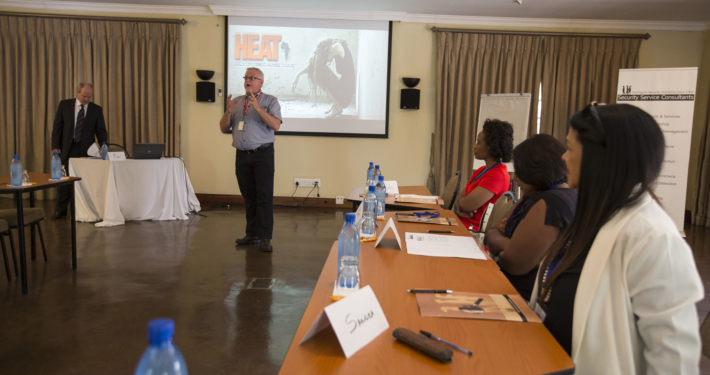
Sometimes, external expertise is essential to fully address compliance issues. Engaging with professionals can provide the insight and support needed to navigate complex regulatory landscapes.

Benefits of an Africa Compliance Audit

Conducting an Africa compliance audit offers a comprehensive evaluation of your current practices. Experts assess your systems against FCPA standards, identifying areas of improvement. This proactive approach helps in aligning your operations with regulatory expectations.

An audit provides clarity and direction, allowing you to implement targeted improvements. It also demonstrates your commitment to compliance, enhancing your company’s reputation and reducing potential risks associated with non-compliance.

The Role of Forensic Investigations

Forensic investigations Africa play a crucial role in uncovering hidden compliance issues. These in-depth probes identify irregularities and provide actionable insights. Engaging forensic experts ensures thorough examinations that can stand up to legal scrutiny.

Forensic investigations are not just reactive; they can be preventive. By regularly conducting these investigations, you can identify potential issues early and address them before they escalate, safeguarding your business against future risks.

Building a Speak-Up Culture in Africa

Encouraging a speak-up culture Africa is vital in maintaining compliance. Empower employees to report suspicious activities without fear of retaliation. This openness can uncover issues that might otherwise go unnoticed.

Implementing a whistleblowing programme provides a structured way for employees to voice concerns. Regular training and clear communication about reporting procedures bolster this culture. By promoting transparency, you can detect and address compliance issues swiftly.

Frequently Asked Questions

What are the common FCPA compliance gaps in Africa?

Common gaps include inadequate third-party due diligence, lack of internal controls testing, and misunderstanding of facilitation payments. Addressing these areas can prevent violations.

How can third-party due diligence be enhanced?

Enhance due diligence by conducting thorough screenings and regularly reviewing relationships. Engage local experts to provide insights and ensure compliance with FCPA standards.

What benefits does an Africa compliance audit offer?

An audit evaluates your practices against FCPA standards, identifies areas for improvement, and aligns your operations with regulatory expectations, reducing risks and enhancing reputation.

Why are forensic investigations crucial for compliance?

Forensic investigations uncover hidden issues and provide insights that withstand legal scrutiny. They are both preventive and reactive, helping to manage compliance proactively.

How can a speak-up culture improve compliance?

A speak-up culture encourages reporting of suspicious activities, allowing you to address issues early. Implementing a whistleblowing programme supports transparency and swift action.


FCPA compliance Africa often breaks down where local realities clash with global standards. You know the risks: third-party vetting gaps, unclear beneficial ownership, and unchecked facilitation payments. This blog pinpoints where those failures begin and outlines controls that protect your operations. Stay ahead of DOJ and SEC enforcement with strategic intelligence tailored for all 55 African markets.

Visit Zero Foundation Africa for more information.

Understanding FCPA Risk in Africa

Navigating FCPA compliance in Africa requires understanding the unique challenges the region presents. Let’s explore the common pitfalls and how they can be mitigated.

Early Compliance Pitfalls

FCPA compliance often falters at the initial stages. Many businesses underestimate the complexity of local regulations and cultural norms. This misjudgment can lead to insufficient due diligence and oversight. It’s crucial to gather comprehensive intelligence before entering any market. By doing so, you prevent potential breaches that could harm your reputation and finances.

Another common issue is the lack of clarity in beneficial ownership. This ambiguity can expose your company to unforeseen risks. Ensuring transparency and rigorous checks can avert such pitfalls. Missteps at this stage can have long-term repercussions, so proactive measures are vital.

Anti-Bribery and Corruption Challenges

Corruption remains a significant challenge across many African markets. Local practices like facilitation payments can clash with global anti-bribery standards. Understanding these cultural nuances is essential. Training your team on these differences can protect your operations from unintended violations.

Moreover, third-party interactions pose a considerable risk. Without proper vetting, you might unknowingly associate with corrupt entities. Implementing thorough screening processes helps mitigate this risk. Regular audits and checks can also ensure compliance and integrity in your partnerships.

State-Owned Enterprises Risk

Engaging with state-owned enterprises (SOEs) presents unique risks. These entities often have complex ownership structures, increasing the difficulty of due diligence. The potential for corruption is higher, given the intersection of business and government interests.

To navigate these waters, it’s important to implement robust due diligence strategies. Investigating the backgrounds of key officials and understanding the political landscape can provide valuable insights. By focusing on these areas, you can protect your business from potential FCPA violations.

Practical Compliance Controls

Establishing practical controls can safeguard your business from FCPA risks in Africa. Let’s delve into effective strategies that can be employed.

Third-Party Due Diligence Tactics

Third-party relationships are a common source of compliance failures. Implementing strong due diligence tactics is essential. This includes comprehensive background checks and regular reviews. By doing so, you ensure that your partners adhere to the same ethical standards as your business.

Utilising local expertise can also enhance your third-party assessments. Local insights provide a clearer picture of potential risks and cultural nuances. This approach not only strengthens your compliance but also builds trust with local stakeholders.

Effective Gifts and Hospitality Policies

Gifts and hospitality are often used to build relationships in business. However, without clear policies, they can lead to compliance issues. Establishing strict guidelines on gift giving helps maintain transparency and integrity. Clearly defining acceptable practices and limits reduces ambiguity and risk.

Training your team on these policies ensures everyone understands their importance. Regular updates and reminders can reinforce your commitment to ethical conduct. This proactive stance protects your business and upholds your reputation.

Books and Records Management

Accurate books and records are crucial for compliance. They provide a clear trail of transactions and decisions, essential for audits and investigations. Implementing a robust records management system ensures transparency and accountability.

Regular audits of your records can highlight potential issues early. Correcting discrepancies before they become problems saves time and resources. This practice not only supports compliance but also boosts confidence in your financial integrity.

Partnering with Zero Foundation Africa

Zero Foundation Africa offers expertise in navigating FCPA compliance across all African markets. Here’s how partnering with us can benefit your business.

Comprehensive Investigative Support

We provide extensive investigative services to uncover potential compliance risks. Our team conducts thorough background checks and due diligence to identify and mitigate risks. This proactive approach ensures your business operates within legal and ethical boundaries.

Local Content Compliance Strategies

Understanding local regulations is key to compliance. We offer tailored strategies that align global standards with local practices. Our insights help you navigate complex regulations confidently. By partnering with us, you ensure your operations are compliant and efficient.

Schedule a FCPA Readiness Assessment

Preventing FCPA violations starts with understanding your current compliance status. Our readiness assessments identify potential vulnerabilities and offer solutions. Don’t wait for a violation to occur. Schedule your FCPA readiness assessment today and secure your business’s future.

Frequently Asked Questions

What are the common FCPA compliance challenges in Africa?

The main challenges include understanding local regulations, managing third-party relationships, and navigating cultural differences in business practices. Thorough due diligence and clear compliance policies can mitigate these risks.

How can businesses protect themselves from FCPA violations?

Implementing robust compliance controls, like third-party vetting and accurate record-keeping, is crucial. Regular training and audits ensure adherence to FCPA standards and prevent violations.

Why is local expertise important for FCPA compliance in Africa?

Local expertise provides insights into cultural and regulatory nuances that may not be apparent to outsiders. It helps tailor compliance strategies to specific markets, reducing the risk of violations.

FCPA compliance Africa presents complex risks that often go unnoticed until it’s too late. Your exposure begins the moment you engage with third parties, enter joint ventures, or navigate public procurement processes. Understanding these critical points and applying targeted mitigation steps can safeguard your organisation from costly investigations and penalties. This guide outlines where risks emerge and how you can reduce them with proven strategies across the continent.

Understanding FCPA Exposure in Africa

Understanding where your FCPA exposure begins is crucial to safeguarding your organisation. Africa presents unique challenges, but knowing these key areas can help you stay compliant.

Identifying High-Risk Sectors

Certain sectors in Africa are more vulnerable to FCPA violations. Industries like mining, oil and gas, and telecommunications often face scrutiny. These sectors tend to have more interactions with government officials. This can increase the risk of bribery or corruption. Third-party relationships in these fields require careful monitoring. It’s essential to conduct thorough background checks and ongoing assessments. This can protect your business from unforeseen risks.

Recognising Facilitation Payments Risk

Facilitation payments are small bribes paid to expedite services. They are common in many regions, including parts of Africa. These payments can lead to significant problems. Despite their size, they are illegal under the FCPA. Businesses often overlook these as harmless, but they can result in hefty fines. Training your team to identify and avoid these payments is crucial. Clear company policies can help prevent such practices.

Navigating Public Procurement Challenges

Public procurement processes in Africa can be complex. They often involve multiple layers of approval and numerous stakeholders. This increases the potential for corrupt practices. Ensuring transparency in these dealings is essential. Implementing strict oversight mechanisms can mitigate risks. Regular audits and checks can ensure compliance with FCPA standards.

Reducing FCPA Exposure

Reducing exposure to FCPA risks involves proactive measures. Implementing strategic actions can significantly lower your risk profile.

Implementing Enhanced Due Diligence

Enhanced due diligence is vital in high-risk environments. It involves a deeper investigation into business partners. This includes examining financial records and verifying backgrounds. Knowing who you are working with reduces the chance of corruption. Enhanced due diligence provides a clear picture of third-party risks. It is a powerful tool to prevent potential violations.

Strengthening Internal Controls

Strong internal controls are your first line of defence. They help detect and prevent FCPA violations. Controls should cover all operational aspects, from financial transactions to employee conduct. Regular training and updates ensure everyone understands compliance requirements. Internal audits can identify potential weaknesses in your system. Reinforcing these controls protects against internal and external threats.

Developing a Whistleblowing Programme

A whistleblowing programme is a crucial component of compliance. It provides employees with a safe channel to report misconduct. Encouraging transparency helps identify issues early. Setting up an anonymous reporting system can increase employee confidence. Regularly reviewing these reports can alert you to potential risks. It is an effective way to maintain an ethical work environment.

Partnering with Zero Foundation Africa

Zero Foundation Africa offers expert guidance and support. Partnering with them can enhance your compliance efforts across the continent.

Comprehensive Compliance Solutions

Zero Foundation Africa provides a wide range of compliance services. They specialise in helping businesses navigate complex regulations. Their solutions are tailored to meet your specific needs. Collaborating with them ensures you remain compliant and informed. Their expertise covers all aspects of FCPA compliance.

Tailored Due Diligence Services

Their due diligence services are designed specifically for African markets. They offer thorough investigations into potential partners. This ensures you only engage with reputable entities. Their detailed reports provide insight into possible risks. This proactive approach can prevent costly compliance issues.

Engaging in Cross-Border Investigations

Cross-border investigations are often necessary in complex cases. Zero Foundation Africa excels in managing these challenges. Their extensive network across Africa provides unmatched local insights. They handle intricate investigations with precision and care. Engaging their services ensures thorough and effective risk management.

Frequently Asked Questions

What are high-risk sectors for FCPA compliance in Africa?
High-risk sectors include mining, oil and gas, and telecommunications. These industries often interact with government officials, increasing bribery risks.

Why are facilitation payments a concern under the FCPA?
Facilitation payments are illegal under the FCPA, despite their small size. They can result in significant fines and legal issues for businesses.

How can enhanced due diligence help reduce FCPA risks?
Enhanced due diligence involves thorough investigation of business partners. It helps identify and mitigate potential third-party risks before they become issues.

What are the benefits of a whistleblowing programme?
A whistleblowing programme encourages transparency and early identification of misconduct. It helps maintain an ethical work environment and reduces compliance risks.

Why choose Zero Foundation Africa for compliance solutions?
Zero Foundation Africa offers tailored compliance solutions with a deep understanding of African markets. Their expertise ensures effective risk management and compliance.

FCPA compliance Africa is a complex challenge that catches many organisations off guard. Exposure often begins with overlooked third-party risks and incomplete due diligence on local partners. You’ll see exactly where these vulnerabilities lie and how targeted internal controls can shut down costly compliance failures before they escalate. Read on to protect your African operations with intelligence-backed strategies trusted by market leaders.

Understanding FCPA Exposure in Africa

Compliance with the FCPA in African markets requires careful navigation of local complexities. The path to understanding begins with recognising the most vulnerable points within these markets.

Key Exposure Points in African Markets

African markets present unique challenges. Third-party relationships often become the weakest link. Many organisations fail to conduct comprehensive checks on their partners. This oversight can lead to significant risks. Local customs may involve practices that clash with FCPA standards. Without proper due diligence, you might unknowingly engage in activities that violate anti-bribery laws.

Particular sectors, such as mining and oil, are more susceptible due to the high stakes and potential for corruption. Companies operating in these areas must exercise heightened scrutiny. Additionally, the informal business environment in some regions complicates transparency. You need a strategy to identify and manage these potential pitfalls effectively.

The Role of State-Owned Enterprises

State-owned enterprises (SOEs) are significant players in African economies. They often control key industries, making interaction with them almost inevitable. However, dealing with SOEs can increase your exposure to FCPA risks. These enterprises sometimes operate with less transparency. Thus, transactions with them require extra caution.

Bribery and corruption risks heighten when engaging with SOEs. It’s crucial to have clear policies and rigorous checks in place. You must understand the risk profiles of these entities. This involves assessing their governance structures and past compliance records. Being proactive here can save you from future complications.

Navigating Customs and Licensing Risks

Customs and licensing processes are another complex area. African markets often have intricate procedures that can lead to compliance challenges. Corruption in these processes is not uncommon. It’s important to ensure your procedures align with FCPA standards to avoid inadvertent violations.

Licensing risks can stem from opaque requirements and bureaucratic hurdles. You should establish a clear understanding of the local processes. Engaging local experts can provide the insights needed to navigate these challenges effectively. This approach reduces the risk of compliance breaches and supports smoother operations.

Effective Strategies to Mitigate Risks

To mitigate risks, adopting effective strategies is essential. Implementing robust internal controls and due diligence processes forms the backbone of compliance efforts.

Implementing Internal Controls Programmes

Strong internal controls are your first line of defence. These programmes should be designed to address specific risks identified in your operations. Controls must be regularly updated to adapt to changing environments. Clear policies and consistent training ensure everyone in your organisation understands compliance requirements.

Regular audits and reviews help detect areas needing improvement. Internal audits provide valuable insights into the effectiveness of your controls. Consistent monitoring and adjustments will keep your compliance strategy aligned with FCPA standards.

Enhanced Due Diligence on Third Parties

Enhancing due diligence on third parties is crucial. This involves more than just basic background checks. You must verify the integrity and compliance history of your partners. Identifying beneficial ownership and politically exposed persons (PEPs) in your partner network reduces risks.

Thorough due diligence includes assessing financial health and business practices. By understanding the full profile of your partners, you can make informed decisions. This proactive approach protects your organisation from potential compliance breaches.

Monitoring Books and Records for Compliance

Maintaining accurate books and records is vital for FCPA compliance. Regular monitoring ensures financial activities align with legal standards. This includes keeping detailed records of transactions and ensuring transparency in all dealings.

Conducting periodic reviews of financial records helps identify discrepancies. These reviews act as an early warning system for potential issues. By maintaining diligent record-keeping practices, you safeguard your organisation against compliance failures.

Partnering with Zero Foundation Africa

Partnering with experts provides a layer of confidence. Zero Foundation Africa offers tailored solutions for FCPA compliance challenges.

Comprehensive Compliance and Investigation Services

Zero Foundation Africa provides comprehensive services to address compliance needs. Our team conducts thorough investigations to uncover potential risks. Using local expertise, we gather valuable intelligence that informs your compliance strategies.

Our services include enhanced due diligence and compliance checks. We aim to provide you with actionable insights to fortify your operations. By partnering with us, you gain access to a wealth of experience and knowledge.

Benefits of a Tailored Risk Assessment

A tailored risk assessment identifies your specific exposure points. This personalised approach ensures that compliance efforts target the most vulnerable areas. Our assessments provide a clear picture of your current standing and risk levels.

With a precise understanding of your risks, you can implement focused strategies. This proactive stance reduces the likelihood of compliance issues. Our assessments guide you in making informed decisions that protect your interests.

Requesting a Confidential FCPA Exposure Assessment

To ensure your operations remain compliant, consider a confidential FCPA exposure assessment. Our team conducts in-depth analyses to identify potential vulnerabilities in your organisation. By addressing these risks early, you avoid costly compliance failures.

Our assessments are discreet and thorough, ensuring your peace of mind. Partner with Zero Foundation Africa to navigate the complexities of FCPA compliance with confidence.

Frequently Asked Questions

What are the main FCPA risks in African markets?
The primary risks include third-party relationships, interactions with state-owned enterprises, and challenges in customs and licensing processes. These areas require careful management to prevent compliance breaches.

How can I reduce FCPA exposure when dealing with SOEs?
Implement robust due diligence processes and establish clear compliance policies. Understand the governance and past compliance records of the SOEs you engage with to mitigate risks effectively.

Why is enhanced due diligence important for FCPA compliance?
Enhanced due diligence provides a comprehensive understanding of third parties’ integrity and compliance history. This helps in making informed decisions and reducing potential compliance risks.

What role does record-keeping play in FCPA compliance?
Accurate record-keeping ensures transparency in financial activities and helps identify discrepancies early. This practice is crucial for maintaining compliance and avoiding potential legal issues.

How can Zero Foundation Africa assist with FCPA compliance?
Zero Foundation Africa offers tailored compliance and investigation services. Our team conducts thorough risk assessments and provides actionable insights to help you navigate FCPA challenges effectively.

FCPA compliance Africa poses unique challenges that can threaten your operation’s integrity and reputation. Corruption risk assessment, third-party due diligence Africa, and politically exposed persons screening are just some critical areas where missteps prove costly. This guide breaks down priority risk vectors and shows how Zero Foundation Africa’s proven services protect your business with rapid deployment and court-ready intelligence. Request a confidential FCPA Risk Scan and secure your compliance today.

Understanding FCPA Compliance Risks

Navigating FCPA compliance Africa presents unique challenges that can impact your business. Let’s explore the key risks and how to manage them.

Key Risk Vectors in African Markets

African markets can be complex. Corruption risk assessment is a top concern for many businesses. You might face challenges with local agents and intermediaries. Knowing who you’re dealing with is crucial. Missteps here can lead to serious consequences.

Another vector is the role of state-owned enterprises. These entities often come with their own set of compliance hurdles. Understanding their involvement is key to avoiding violations. Remember, thorough background checks are essential.

Navigating Anti-Bribery and Corruption

Anti-bribery and corruption measures are crucial. Implementing a strong gift and hospitality policy can help. This reduces the risk of facilitation payments. It’s also vital to be aware of sanctions screening Africa. This ensures you don’t engage with restricted parties.

Education is another tool. By training your team on these risks, you bolster internal controls Africa. This knowledge protects your business from potential pitfalls. Always be proactive rather than reactive.

Internal Controls and Enforcement Dynamics

Strengthening your internal controls is critical. Books and records FCPA compliance should be a focus. Accurate documentation is your best defence. Consistent auditing helps you maintain integrity.

Enforcement dynamics can vary. Stay informed about FCPA enforcement DOJ actions. Understanding these can guide your compliance efforts. Adapting to changes ensures long-term success.

Mitigating Compliance Risks Effectively

You can mitigate these compliance risks with targeted strategies. Here’s how to protect your business.

Robust Third-Party Due Diligence Africa

Conducting third-party due diligence Africa is non-negotiable. It’s about knowing your partners. This process involves deep dives into their history. You want no surprises that could jeopardize your standing.

Thorough checks reveal hidden risks. You uncover the truth about partners’ backgrounds. This includes financial and reputational assessments. Remember, this isn’t just good practice; it’s necessary for compliance.

Enhanced Beneficial Ownership Mapping

Beneficial ownership Africa is another layer of due diligence. It’s crucial to identify who really owns or controls entities. This transparency prevents hidden interests from causing issues.

Mapping ownership structures clarifies relationships. It helps pinpoint potential conflicts of interest. This step is vital for maintaining good standing and avoiding penalties.

Politically Exposed Persons and Sanctions Screening

Politically exposed persons screening is essential. These individuals pose higher risks due to their influence. Knowing their involvement can protect against unwanted surprises.

Sanctions screening Africa is equally important. This ensures compliance with international regulations. It’s about safeguarding your operations from unlawful engagements.

Leveraging Zero Foundation Africa’s Expertise

Zero Foundation Africa offers unmatched expertise in navigating FCPA challenges. Let’s see how their services can support you.

Comprehensive Investigations and Asset Tracing

Comprehensive investigations are their forte. They dive into complex scenarios, providing clarity. Asset tracing Africa is part of this. It uncovers hidden assets and ensures compliance.

Their methods are thorough, ensuring nothing is overlooked. This expertise helps you make informed decisions. Protecting your interests is their priority.

Whistleblowing and Internal Compliance Programmes

Whistleblowing programmes are vital. They foster a culture of transparency. Encouraging reporting helps prevent issues before they escalate.

Their internal compliance programmes are robust. They align with international standards, ensuring you’re always compliant. These measures protect your reputation and operations.

Rapid Deployment and Confidential Consultations

Zero Foundation Africa offers rapid deployment solutions. They respond swiftly to your needs. This agility ensures timely compliance support.

Their confidential consultations provide peace of mind. You’re not alone in this journey. Partnering with them means having expert guidance at your fingertips.

Frequently Asked Questions

What are the main FCPA compliance risks in African markets?

The main risks include corruption risk, involvement with politically exposed persons, and state-owned enterprises. Comprehensive due diligence is crucial to mitigate these risks.

How can third-party due diligence help in compliance?

Third-party due diligence reveals hidden risks by assessing partners’ backgrounds. It ensures that you’re engaging with reputable entities, protecting your business from potential violations.

Why is sanctions screening important in Africa?

Sanctions screening ensures compliance with international regulations. It protects your operations from engaging with restricted or illegal parties, safeguarding your business integrity.

By understanding and addressing these compliance challenges, you can effectively navigate the complexities of African markets.

FCPA compliance Africa presents unique risks that often surface in unexpected areas. Your third-party relationships, supply chains, and internal controls can expose your organisation to costly investigations. This guide outlines where exposure begins and practical steps to reduce it, backed by Zero Foundation Africa’s proven expertise. Enquire now for a confidential Pan‑African FCPA risk assessment and safeguard your operations across the continent.

Understanding FCPA Compliance in Africa

Navigating FCPA compliance in Africa demands attention to unique challenges and potential pitfalls. Here, we explore the landscape to help you identify key areas of concern and ways to mitigate risk.

Key Exposure Points in African Markets

FCPA compliance in African markets is critical due to varied regulatory environments and complex business ecosystems. Corruption risks can arise from local business practices, making vigilance essential. Companies must monitor their operations, ensuring books and records are transparent to avoid violations. Understanding these exposure points helps in crafting effective strategies to shield your organisation from potential penalties.

Identifying Intermediary Risks

Intermediaries often play a pivotal role in business operations within Africa, but they can also introduce significant risks. These third parties might engage in practices that violate anti-bribery and corruption standards. By conducting thorough due diligence and maintaining a clear understanding of intermediary actions, you can safeguard your company’s interests. Regular audits and checks are vital in identifying any red flags that may arise.

Role of Beneficial Ownership and PEP Screening

Beneficial ownership and PEP (Politically Exposed Persons) screening are instrumental in identifying potential corruption risks. In Africa, where political connections often intersect with business activities, knowing who truly controls an entity is crucial. Implementing robust screening processes helps in detecting and mitigating risks linked to corrupt practices. This ensures your compliance efforts remain robust and effective.

Practical Steps for Mitigation

Armed with insights into the risks, the next step is implementing measures to mitigate these challenges. Practical steps can fortify your compliance framework significantly.

Implementing Effective Internal Controls

Establishing strict internal controls is a cornerstone of FCPA compliance. These controls help monitor transactions and prevent unethical practices. They should be regularly updated to reflect changes in the business environment and regulatory requirements. Training employees on these controls further ensures adherence and reduces the risk of non-compliance.

Conducting Thorough Third‑Party Due Diligence

Thorough third-party due diligence is essential in reducing intermediary risk. This involves investigating the backgrounds and business practices of potential partners. By understanding their history and business conduct, you can avoid alliances with entities that might jeopardise your compliance status. Regular updates and monitoring of these relationships are crucial for ongoing protection.

Developing a Whistleblowing Programme

A whistleblowing programme serves as a proactive tool against corruption. It encourages employees to report unethical behaviour without fear of retaliation. Such programmes should be easy to access and assure confidentiality. By fostering a culture of openness, you can detect and address issues before they escalate into significant compliance breaches.

Partnering with Zero Foundation Africa

Bringing expert assistance onboard can make a significant difference in managing compliance effectively.

Comprehensive Pan‑African Intelligence Services

Zero Foundation Africa offers comprehensive intelligence services tailored for the continent’s unique challenges. These services provide actionable insights, enabling your organisation to make informed decisions and stay compliant with FCPA regulations. Their extensive network across Africa ensures you have the local expertise needed for effective oversight.

Tailored FCPA Risk Assessments

Tailored FCPA risk assessments from Zero Foundation Africa help identify and address your organisation’s specific vulnerabilities. These assessments provide a detailed analysis of your operations, highlighting areas that require attention. With this information, you can implement targeted strategies to bolster your compliance efforts.

Contacting Our Cape Town Headquarters for Support

For organisations seeking to enhance their compliance frameworks, reaching out to our Cape Town headquarters is a vital step. Our team offers expert guidance and support tailored to your specific needs. By partnering with Zero Foundation Africa, you gain access to unparalleled expertise and local insights necessary for navigating the complexities of FCPA compliance in Africa.

Frequently Asked Questions

What is FCPA compliance?

FCPA compliance refers to adhering to the Foreign Corrupt Practices Act, a U.S. law that prohibits bribery of foreign officials and mandates accurate accounting records.

Why is third-party due diligence important?

Third-party due diligence helps identify potential compliance risks associated with intermediaries, ensuring they adhere to anti-bribery standards.

How can a whistleblowing programme benefit my organisation?

A whistleblowing programme encourages employees to report unethical behaviour confidentially, helping detect and address issues early before they become major compliance violations.

What makes Zero Foundation Africa a suitable partner for FCPA compliance?

Zero Foundation Africa offers tailored intelligence and risk assessment services, leveraging extensive local expertise across Africa to ensure robust FCPA compliance.

How often should internal controls be reviewed?

Internal controls should be reviewed regularly, at least annually, or whenever significant changes occur in the business or regulatory environment to ensure continued effectiveness.

FCPA compliance Africa is no longer a distant concern—it starts the moment you engage with local partners. Many firms underestimate exposure from third-party due diligence failures, beneficial ownership gaps, and weak internal controls FCPA demands. Recognising these early risks is crucial to avoid costly investigations and enforcement actions. This post outlines where your first-line exposure begins and how Zero Foundation Africa’s proven intelligence and mitigation strategies keep your business secure across African markets.

Understanding FCPA Compliance in Africa

When operating in Africa, understanding the complexities of FCPA compliance is vital. Your first task is identifying where exposure begins.

Identifying FCPA Exposure Points

Firms often overlook key areas that can lead to FCPA exposure. This includes weak due diligence on partners and unclear beneficial ownership. For instance, using a local agent without proper vetting can be risky. They might engage in corrupt practices without your knowledge, putting your company at risk.

To combat this, focus on beneficial ownership. Knowing who truly owns your partner companies reduces risks. Ensure transparency by demanding detailed records and verifying them through reliable sources.

Another point of exposure lies in facilitation payments. While such payments might seem minor, they can lead to significant legal trouble. It’s essential to educate your team about these risks and ensure strict policies against making such payments.

Addressing Corruption Risks in Africa

Corruption in Africa can vary widely from one country to another. Understanding these risks is crucial to maintaining compliance.

Start with a thorough corruption risk assessment. This helps identify areas where your business is most vulnerable. Use insights from the assessment to tailor your compliance strategies, ensuring they’re robust and effective.

State-owned enterprise risk is another area to watch. Engaging with these entities might increase your exposure to FCPA violations. Develop clear SOE engagement protocols to navigate these relationships safely.

Mitigating Immediate FCPA Risks

Once you identify exposure points, the next step is to mitigate these risks effectively.

Effective Third-Party Due Diligence

Third-party relationships can be complex, but managing them is crucial for compliance. Effective due diligence involves several key steps:

  1. Screening: Conduct thorough background checks, especially focusing on PEP screening Africa. This identifies politically exposed persons who might pose a risk.

  2. Verification: Ongoing local verification Africa ensures that your partners remain compliant over time. Regular checks prevent unforeseen issues from arising.

  3. Documentation: Maintain detailed records of all due diligence activities. This provides evidence of your compliance efforts, protecting your company if issues arise.

Enhancing Internal Controls and Records

Strong internal controls are your first line of defence against FCPA violations. Start by improving books and records FCPA. Accurate records ensure transparency and accountability.

Implement robust internal controls FCPA to prevent and detect corrupt activities. Regular audits and employee training are crucial components of an effective control system.

Zero Foundation Africa: Your Trusted Partner

Navigating FCPA compliance in Africa isn’t easy, but you don’t have to do it alone. Zero Foundation Africa offers the expertise you need.

Comprehensive ABAC Support Services

Our services include a full range of anti-bribery and corruption Africa solutions. We offer everything from enhanced due diligence services to predictive intelligence Africa tools. These services help you stay ahead of potential risks and adapt to the ever-changing landscape.

Request Your Confidential FCPA Diagnostic

For businesses seeking peace of mind, our confidential FCPA enforcement Africa diagnostic is essential. It identifies gaps in your current compliance strategies and offers tailored solutions to address them.

In conclusion, safeguarding your business from FCPA risks in Africa requires vigilance and the right partners. With Zero Foundation Africa, you gain access to unmatched local expertise and comprehensive solutions designed to keep you secure.

Many companies underestimate how complex FCPA compliance in Africa can become. You face unique risks—from state-owned enterprises to facilitation payments—that demand targeted controls. This guide highlights those critical risk areas and shares practical tactics to protect your operations. Partnering with Zero Foundation Africa ensures you have expert support tailored to the continent’s challenges.

FCPA Compliance Challenges in Africa

Navigating FCPA compliance in Africa involves understanding various local details. Awareness of specific regional challenges helps ensure robust controls and minimise risks.

Understanding Local Regulatory Environments

Each African country has its own regulatory landscape. You might find that what works in one region doesn’t in another. For example, some countries have strict anti-bribery laws, while others may not enforce such regulations rigorously. This inconsistency can create compliance challenges.

Working with local experts can bridge knowledge gaps. They provide insights into regulatory environments and the nuances of enforcement. This understanding helps you craft policies that align with local laws while adhering to global standards. It’s not just about knowing the rules but grasping how they’re applied in practice.

Key Risks in State-Owned Enterprises Africa

State-owned enterprises (SOEs) can present unique challenges. These entities often have different operational and governance standards compared to private companies. Engaging with SOEs may lead to increased scrutiny under the FCPA.

One key risk is the potential for conflicts of interest or unethical practices. SOEs might be controlled by government officials or influential figures, creating a risk of bribery or corruption. It’s crucial to conduct thorough due diligence before engaging. Understanding who genuinely controls these enterprises and their business practices can safeguard your operations.

Facilitation Payments Risk Factors

Facilitation payments are small amounts paid to expedite routine services. Although common in some regions, these payments are prohibited under the FCPA. In Africa, where bureaucratic processes can be slow, the temptation to make such payments might arise.

Identifying scenarios that might lead to these payments is critical. For instance, in sectors like customs or licensing, where delays are common, the risk of facilitation payments increases. Training local staff to recognise and report these situations can significantly reduce this risk.

Mitigation Tactics for FCPA Compliance

After identifying risks, the next step is implementing effective tactics. These strategies help create a robust compliance framework tailored to your African operations.

Anti-Bribery Due Diligence Approaches

Due diligence is crucial for preventing bribery. Start with a thorough evaluation of all potential business partners. This involves checking their backgrounds, the nature of their business, and any past involvement in corruption.

Utilise a structured approach: first, gather detailed information about potential partners; second, assess risk levels; third, implement monitoring systems. Regularly updating due diligence processes ensures they remain effective and relevant as conditions change.

Effective Third-Party Risk Management Africa

Managing third-party risks is essential. Third parties often act on your behalf, making their actions integral to your compliance. It’s vital to evaluate their integrity and ensure they adhere to your standards.

Developing a comprehensive risk management plan involves several steps:

  1. Identify third-party relationships crucial to your business.

  2. Assess potential risks associated with each partner.

  3. Implement consistent monitoring to ensure compliance.

Regular audits and training sessions can reinforce these practices, helping you mitigate potential risks effectively.

Books and Records FCPA Controls

Accurate record-keeping forms the backbone of FCPA compliance. It ensures transparency and accountability in financial dealings. Implementing stringent books and records controls helps prevent fraudulent activities.

Ensure that all transactions are recorded accurately and promptly. You need a system that allows easy access to records for verification. This transparency not only aids compliance but also builds trust with stakeholders and regulators.

Zero Foundation Africa’s Expertise

Partnering with experts can enhance your compliance efforts. Zero Foundation Africa offers comprehensive services to support your needs.

Comprehensive FCPA Training Africa Services

Training is essential for maintaining compliance. Zero Foundation Africa provides tailored training programs that address the specific challenges faced in Africa. These sessions are interactive and designed to help your team understand and apply FCPA regulations effectively.

The training covers various aspects, such as recognising red flags, understanding local laws, and ethical decision-making. By investing in training, you empower your employees to act in alignment with legal requirements and corporate policies.

SEC DOJ Guidance Africa Compliance Programme Design

Designing a compliance programme that aligns with SEC and DOJ guidelines is crucial. Zero Foundation Africa assists in crafting programmes that meet these standards, ensuring your operations are both compliant and efficient.

This service includes evaluating current policies, identifying gaps, and providing solutions. With expert guidance, you can create a robust framework that withstands scrutiny and supports sustainable business practices.

FCPA Investigations Support and Remediation

In the event of a compliance breach, swift action is essential. Zero Foundation Africa offers investigation support to address any FCPA violations. Our team conducts thorough investigations to uncover facts and assess the situation accurately.

Following the investigation, remediation strategies are implemented to prevent future occurrences. This process not only resolves issues but also strengthens your compliance posture, ensuring long-term protection for your operations.

In summary, understanding and addressing FCPA compliance in Africa requires a tailored approach. With the right strategies and expert support, you can navigate these challenges effectively and maintain a strong compliance record.