
Corporate security management in Africa demands controls tailored to the continent’s unique threat landscape. Generic solutions waste resources and leave gaps that expose your assets and reputation. You need localised security controls backed by Pan-African intelligence and board-certified expertise to manage risks effectively. This guide outlines how Zero Foundation Africa’s proven approach closes those gaps, ensuring compliance and resilience in complex environments across all 55 countries.
Understanding African Security Challenges
In Africa, every region presents its own set of security challenges. Understanding these is key to protecting your assets effectively.
Localised Threat Landscapes
Africa’s diverse environments mean threats vary significantly. Each country has its own political dynamics, economic conditions, and social factors that influence security. For example, urban areas may face higher risks of theft and cybercrime, while rural regions might encounter different challenges. Knowing these distinctions helps in tailoring security measures that are both effective and efficient. Localised security controls are crucial to address these unique issues and ensure that resources are not wasted on irrelevant threats.
Security Risk Management Strategies
Managing security risks in Africa requires a strategic approach. The first step is conducting a thorough security risk management analysis. This involves identifying potential threats and assessing their impact. Developing a strategy involves prioritising risks and implementing control measures accordingly. Use predictive tools to anticipate future threats. Regular reviews and updates to the strategy ensure it stays relevant as situations change. Ultimately, a well-executed strategy not only protects but also enhances business resilience.
Designing Effective Security Controls

Designing security measures that work for Africa requires a blend of local insight and global standards.
Proportionate Control Measures
Implementing control measures that are proportionate to the threat is essential. Overestimating threats can lead to unnecessary expenses, while underestimating them can leave your assets vulnerable. Start by evaluating the specific threats to your operations, then design controls that directly address these issues. For instance, enhanced due diligence might be necessary in high-risk areas to prevent fraud and compliance issues. The key is to ensure that every measure is justified by the threat it mitigates.
Board-Certified Security Management
Relying on board-certified expertise ensures that your security approach is both comprehensive and compliant with international standards. This guarantees that best practices are followed, providing peace of mind and operational integrity. Board-certified professionals bring a wealth of knowledge in designing and implementing security systems that integrate seamlessly with existing operations. Their expertise can transform your security from a reactive stance to a proactive strategy, anticipating and neutralising threats before they materialise.
Advanced Security Services in Africa
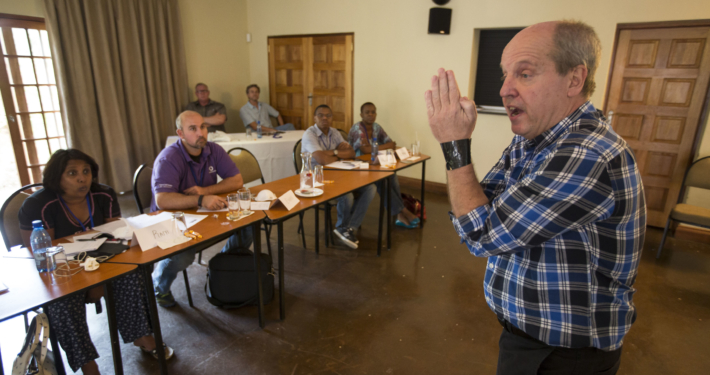
For more specialised needs, advanced security services offer targeted solutions that go beyond basic measures.
Technical Surveillance and Counter-Surveillance
Technical surveillance services are vital in high-stakes environments. These services include audio and video monitoring to gather intelligence for legal investigations. Counter-surveillance, such as TSCM, protects against unauthorised monitoring, ensuring your operations remain confidential. These solutions are essential in environments where information security is paramount, and the risks of espionage or data leaks are high. By using these advanced tools, you can safeguard sensitive information and maintain a competitive edge.
Hostile Environment Awareness Training
In regions with elevated risks, Hostile Environment Awareness Training (H.E.A.T.) prepares your team for the unexpected. This training equips personnel with the skills to handle crisis situations, enhancing both personal safety and operational continuity. Participants learn to navigate challenging environments, respond to threats, and ensure the safety of their colleagues. H.E.A.T. is an invaluable resource for teams operating in non-permissive environments, empowering them to act decisively under pressure and ensuring that they can continue their mission safely and effectively.
Frequently Asked Questions
What is the importance of localised security controls in Africa?
Localised security controls are crucial as they address specific threats unique to each region, ensuring resources are used efficiently and vulnerabilities are minimized.
How does board-certified expertise benefit security management?
Board-certified experts adhere to international standards, providing comprehensive and compliant security solutions that enhance operational integrity and anticipate potential threats.
Why is technical surveillance important for businesses?
Technical surveillance services gather crucial intelligence for legal investigations, while counter-surveillance protects sensitive information from unauthorised access and espionage.
What are the key components of Hostile Environment Awareness Training?
This training includes crisis response, threat navigation, and operational continuity skills, ensuring personnel can safely and effectively manage risks in non-permissive environments.
How do advanced security services support legal investigations?
They provide audio and video monitoring tools that collect evidence, ensuring that investigations are thorough and that findings are actionable in legal contexts.
