Posts

Most security controls in Africa falter because they ignore on-the-ground realities. You cannot rely on generic frameworks when infrastructure varies and regulatory risks spike unpredictably. This is why corporate security Africa demands controls designed, tested, and proven for actual operating conditions. In this post, you will learn how to build resilient security measures that withstand Africa’s complexities and why Zero Foundation Africa stands as your trusted partner for compliance and crisis readiness across 55 countries.

Request a confidential Pan‑African security control gap assessment today.

Designing Security Controls for Africa

Building security measures that last requires understanding Africa’s unique challenges.

Realities of African Operating Conditions

Operating in Africa brings unique hurdles. Infrastructure can vary dramatically, and regulatory environments shift without warning. Understanding these factors is vital. You need security controls that are not only robust but adaptable.

In some regions, power outages and communication black spots are common. This affects how you deploy technology-based security measures. Additionally, local customs and practices often play a role in how policies are enforced or understood. This is where tailored solutions become indispensable.

Without acknowledging these realities, you risk having measures that fail when needed most. Think of it like this: a one-size-fits-all approach simply doesn’t work here. The key is designing controls with local insights and adaptability in mind.

Stress-Testing Security Measures

How do you know if your security measures are up to the task? Stress-testing is essential. This means putting each control through scenarios that mimic real-life challenges.

Consider power cuts as an example. You must test how systems operate during outages. This involves not just technology checks but also training your team to handle unexpected situations effectively.

Stress-testing is not a one-time event. It should be part of an ongoing process. By regularly evaluating your systems, you ensure that they remain effective as conditions change. This proactive approach helps you stay ahead of potential threats.

Governance and Compliance Frameworks

Ensuring your security measures are compliant with local laws is crucial. Africa’s regulatory landscape is diverse, with each country having its own set of rules.

To navigate this, you need a governance framework that adapts to changes. This involves continuous monitoring and updates to your policies and procedures. It is about staying compliant while also being agile enough to adjust quickly when laws shift.

A strong governance framework not only helps you avoid legal issues but also builds trust with partners and clients. It signals that you are committed to operating ethically and responsibly across the continent.

Essential Security Management Practices

With foundational controls in place, let’s explore management practices that enhance security.

Enhanced Due Diligence in Africa

In Africa, due diligence goes beyond basic checks. It involves deeper investigation into potential partners and employees. With local nuances in mind, this ensures you have a complete picture.

Enhanced due diligence means looking at financial histories, reputational risks, and any potential red flags in an individual’s or entity’s background. This is critical in a continent where informal networks and unrecorded transactions are common.

By adopting enhanced due diligence, you protect your interests and build stronger stakeholder relationships. This thorough approach instills confidence in the decisions you make, keeping your operations secure and compliant.

Third-Party Risk Strategies

Managing third-party risks is about more than just vetting suppliers. It’s an ongoing process of monitoring and engagement.

Start by assessing the risk profile of each third-party relationship. This involves evaluating their compliance with local laws and their operational practices. Regular audits and checks should follow, ensuring sustained compliance and performance.

Effective third-party risk strategies protect your business from unforeseen disruptions. They help maintain the integrity of your supply chain and support long-term partnerships built on trust and reliability.

FCPA and UK Bribery Act Compliance

Compliance with the FCPA and UK Bribery Act is non-negotiable for businesses in Africa. These laws require you to maintain strict anti-corruption measures.

Implementing a compliance program includes training for your team, establishing clear reporting channels, and conducting regular audits. It’s about creating a culture where ethical practices are the norm.

By ensuring compliance, you protect your business from hefty fines and damage to your reputation. It demonstrates your commitment to ethical operations, reassuring stakeholders and clients alike.

Advanced Security Solutions and Services

Elevate your security strategy with advanced solutions tailored for Africa’s challenges.

Technical Surveillance Counter-Measures

Technical surveillance counter-measures (TSCM) are critical in safeguarding your operations. They help detect and neutralise spying devices that threaten your confidentiality.

With TSCM, you can identify hidden cameras, microphones, and other surveillance tools. This service ensures that your sensitive information remains protected from prying eyes.

Implementing TSCM is about more than technology. It involves training your team to recognise suspicious activities and respond appropriately. This proactive stance secures your communications and keeps your strategic plans safe.

Counter-Surveillance and Executive Protection

Counter-surveillance goes hand in hand with executive protection. These measures are essential for safeguarding key personnel against threats.

Counter-surveillance involves detecting and mitigating any attempts to monitor your movements or conversations. Executive protection adds a layer of safety, ensuring that your leaders can operate securely in high-risk areas.

By investing in these services, you not only protect your top executives but also maintain the stability and continuity of your operations. It’s about peace of mind and uninterrupted focus on your strategic goals.

Travel Risk Management and H.E.A.T. Training

Travel risk management is crucial for businesses operating across Africa. This involves preparing employees for potential risks they may face while travelling.

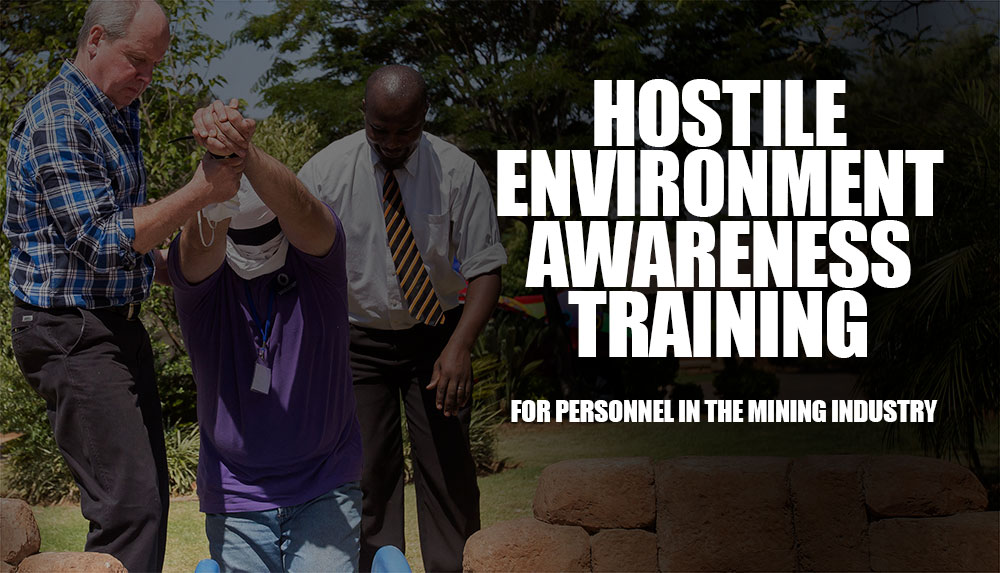
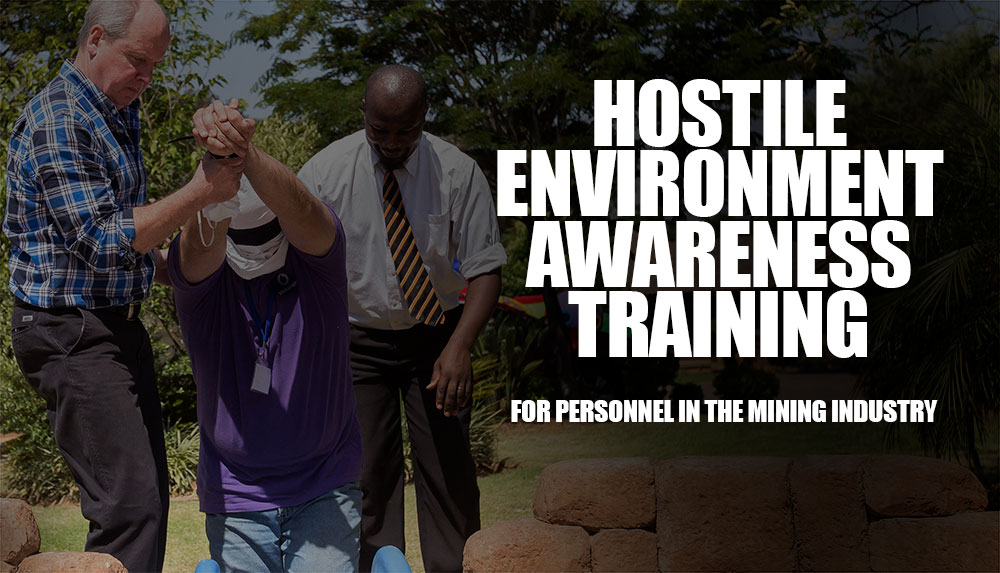
Hostile Environment Awareness Training (H.E.A.T.) equips your team with the skills needed to navigate challenging situations. From understanding local customs to responding to emergencies, this training is comprehensive.

By prioritising travel risk management and H.E.A.T., you fulfil your duty of care. It ensures that your employees are prepared and protected, allowing your business to operate smoothly and confidently.

Frequently Asked Questions

What are the key challenges in implementing security controls in Africa?

Implementing security controls in Africa involves navigating diverse infrastructure, variable regulatory environments, and local cultural practices. These factors require tailored solutions that are adaptable and informed by local insights.

How does enhanced due diligence differ in Africa?

Enhanced due diligence in Africa involves deeper investigations into financial histories and reputational risks. It accounts for informal networks and unrecorded transactions common in the continent, providing a comprehensive view of potential partners or employees.

What is H.E.A.T. training, and why is it important?

Hostile Environment Awareness Training (H.E.A.T.) prepares employees for risks they may encounter while travelling in challenging areas. It includes skills for handling emergencies and understanding local customs, ensuring safety and fulfilling duty of care.

Risk Management South Africa

Corporate security Africa demands more than standard protocols. Complex operating environments Africa challenge even the most seasoned executives with unpredictable risks and compliance hurdles. Your security management consultancy must combine local insight with rigorous methods to safeguard assets and ensure governance. This guide reveals how Zero Foundation Africa’s expert services protect your operations and maintain FCPA compliance Africa in high-risk zones. Read on to build a resilient security programme tailored for Africa’s unique challenges.

Learn more about our services

Building Resilient Security Programmes

Understanding Africa’s Complex Environments

Africa presents a unique set of challenges for corporate security. From diverse regulatory landscapes to varying compliance requirements, the continent demands a specialised approach. You need to understand these complexities to safeguard your operations effectively.

Each country in Africa has its own regulatory environment. This diversity means that a one-size-fits-all approach won’t work. Companies must be nimble and adaptable, ensuring they comply with local laws and regulations. Understanding these nuances can help prevent potential legal and reputational risks.

Key Components of Security Management

Building a robust security programme involves several key components. First, it’s essential to conduct thorough risk assessments. By identifying potential threats, you can develop strategies to mitigate them. This proactive approach helps protect your assets and personnel.

Another crucial element is having a well-defined crisis management plan. This plan should detail how to respond to emergencies and protect your operations. Training staff to handle crises effectively ensures they are prepared for any eventuality.

Implementing Compliance and Governance

Compliance and governance are critical in maintaining corporate integrity. Implementing policies that align with international standards helps build trust with stakeholders. Clear governance structures ensure accountability and transparency within the organisation.

Ensuring compliance with regulations, such as the FCPA, reduces the risk of legal penalties. It also enhances your company’s reputation, making it a more attractive partner for business ventures in Africa.

Comprehensive Security Services

Enterprise Risk Assessment and Programme Design

Enterprise risk assessments are vital for understanding potential threats. By conducting a thorough assessment, you can design a security programme that addresses specific risks. This tailored approach ensures your security measures are effective and efficient.

Risk assessments should be ongoing, adapting to the changing environment. Regular reviews allow you to update your strategies, keeping your operations secure.

Crisis Management and Travel Security Policy

A robust crisis management plan is essential in today’s unpredictable world. Your plan should outline processes for dealing with emergencies, ensuring minimal disruption to operations. Training your team in crisis response can be the difference between chaos and control.

Travel security is another critical component. Establishing a clear policy helps protect employees travelling for business. It ensures they are aware of potential risks and know how to respond in challenging situations.

Technical Surveillance and Counter-Surveillance

Technical surveillance measures help detect potential security breaches. By monitoring communications and networks, you can identify threats before they escalate. Counter-surveillance techniques protect sensitive information from being compromised.

These measures are crucial in maintaining operational security. They provide peace of mind, knowing your company’s data and communications are secure.

Enhancing Security and Compliance

FCPA Compliance and Due Diligence

Ensuring compliance with the FCPA is vital for operating in Africa. Conducting due diligence on potential partners reduces the risk of engaging with corrupt entities. This proactive approach helps protect your company from legal repercussions.

Due diligence involves assessing a partner’s history and operations. This process uncovers any potential red flags, ensuring that your business relationships are above board.

Hostile Environment Awareness Training

Hostile environment awareness training prepares your staff for challenging situations. This training equips them with the skills to navigate dangerous environments safely. It’s crucial for ensuring their safety and maintaining operations in high-risk areas.

Training should be realistic, reflecting the actual challenges your staff might face. This approach ensures they are well-prepared to handle any situation that arises.

Asset Protection and Risk Mitigation

Protecting your company’s assets is a top priority. Implementing risk mitigation strategies helps safeguard physical and digital assets. This includes securing facilities, protecting data, and ensuring only authorised personnel have access.

Assessing and addressing vulnerabilities in your operations is key to maintaining security. Regular audits help identify areas for improvement, ensuring your assets remain protected.

Frequently Asked Questions

What are the key components of a robust security programme?

A robust security programme includes risk assessments, crisis management plans, and compliance policies. These components work together to protect your organisation from potential threats.

Why is FCPA compliance important for operations in Africa?

FCPA compliance helps prevent legal issues related to bribery and corruption. It ensures your business operates ethically and maintains its reputation.

How can technical surveillance improve security?

Technical surveillance helps detect and prevent security breaches. It ensures your communications and data remain secure, protecting sensitive information.

What is the importance of crisis management in corporate security?

Crisis management ensures your organisation can respond effectively to emergencies. It minimises disruption and protects your operations during challenging times.

How does hostile environment awareness training benefit staff?

This training prepares staff to handle dangerous situations, ensuring their safety in high-risk areas. It equips them with skills to navigate challenging environments confidently.

Corporate security Africa demands more than generic strategies. Local political and cultural nuances shape risk in ways few anticipate. Understanding these factors is critical to avoid costly compliance failures and operational disruptions. Zero Foundation Africa offers Pan-African intelligence and security management tailored to your unique challenges. Read on to learn why local context risk Africa changes outcomes and how expert guidance safeguards your interests.

Visit Zero Foundation Africa for more information.

Understanding Local Context in Africa

Local context plays a critical role in shaping security outcomes. Recognising the unique political, legal, and cultural landscapes across Africa is essential.

Political Risk and Security

Political climates across African countries vary widely. Some regions face instability, which can disrupt operations. Knowing the political risk Africa presents helps you anticipate challenges. For example, changing leadership can lead to policy shifts impacting business. Local expertise aids in navigating these complexities, ensuring your company’s resilience.

Decisions made without understanding local politics can lead to costly mistakes. Companies often face unexpected regulatory changes. This stresses the importance of having a reliable partner who provides insight into the political environment. With guidance, you can adapt to shifting dynamics, safeguarding your interests.

Legal Nuances Impacting Security

Legal systems in Africa differ in their structure and enforcement. Navigating these requires an understanding of local laws. Many companies struggle with FCPA compliance Africa. This law, among others, can have serious implications if misunderstood. Knowing these legal nuances shields against compliance failures.

Companies need to be aware of ABAC compliance Africa. Failing to comply can lead to hefty fines. Being proactive about legal matters protects your reputation. Partnering with experts who understand local regulations simplifies compliance processes. This ensures you meet legal standards without unnecessary stress.

Cultural Considerations for Compliance

Culture influences business practices greatly. Understanding local customs helps in fostering successful relationships. Missteps in cultural practices can lead to misunderstandings or even conflict. Recognising these nuances is crucial for effective security management consultancy.

Cultural awareness promotes smoother operations. It ensures teams respect local traditions, enhancing cooperation. Companies with strong cultural understanding gain trust. This trust is vital for business success. Acknowledging cultural differences improves compliance and operational effectiveness.

Intelligence-Led Security Strategies

Implementing intelligence-led strategies provides a strong foundation for security. Tailored approaches address specific challenges faced in various regions.

Enhanced Due Diligence in Africa

Due diligence is more than just background checks. In Africa, it involves understanding local environments. Enhanced due diligence Africa identifies risks unique to each location. This includes assessing political, economic, and social factors. Comprehensive checks provide a clearer picture of potential challenges.

Companies benefit from detailed risk assessments. These assessments guide decision-making processes. With thorough due diligence, businesses can avoid pitfalls. By understanding the local context, you make informed choices that protect your interests.

Predictive Intelligence and Risk Management

Predictive intelligence transforms how companies manage risk. By anticipating threats, businesses can act before issues arise. This proactive approach is crucial in predictive intelligence Africa. It allows you to foresee potential disruptions and plan accordingly.

Risk management involves constant vigilance. Anticipating changes ensures you’re never caught off guard. Predictive tools provide insights that traditional methods may miss. They equip you with the knowledge to navigate complex environments confidently.

Pan-African Security Management Consultancy

Having a consultant with Pan-African reach is invaluable. They provide insights from across the continent. This broad perspective enhances your security strategies. Working with a consultant ensures you have access to local expertise, which is crucial for effective security management.

Consultants tailor strategies to meet your specific needs. This includes aligning them with local customs and regulations. Their understanding of regional dynamics ensures that your security solutions are both effective and respectful of local contexts.

Comprehensive Security Solutions

A robust security framework involves multiple layers of protection. Comprehensive solutions address various aspects of security, ensuring thorough coverage.

Hostile Environment Awareness Training

Training is a key component of security preparedness. Hostile environment awareness training equips personnel with skills to handle challenging situations. This training is essential for those operating in volatile regions. It teaches practical techniques for dealing with threats, enhancing personal and organisational safety.

Participants learn through realistic scenarios. These exercises build confidence and competence. Training ensures your team is ready for any situation they might encounter. This proactive measure significantly reduces risk.

Counter-Surveillance and Asset Tracing

In a world where information is power, counter-surveillance is crucial. Counter-surveillance Africa helps protect sensitive data from prying eyes. This involves using techniques to detect and prevent spying. It ensures your information remains secure, protecting your competitive edge.

Asset tracing is equally important. It involves locating and recovering assets that may be at risk. This service is vital for financial institutions and businesses. By securing your assets, you protect your company’s financial health and reputation.

Travel Security and Compliance Audits

Travel security is a concern for any organisation. Implementing a travel security policy Africa ensures your travellers remain safe. This includes pre-travel briefings and ongoing support. These measures protect your people and assets while abroad.

Compliance audits ensure you’re meeting legal and safety standards. Regular audits identify gaps in your security framework. Addressing these ensures continuous improvement. It also protects against potential liabilities, safeguarding your organisation’s reputation.

In summary, local context significantly influences security outcomes in Africa. Understanding political, legal, and cultural factors is key to success. Zero Foundation Africa offers tailored solutions to navigate these complexities. With expert guidance, you can secure your interests and achieve your goals across the continent.

Risk Management South Africa

Corporate Security Management Across Africa: Why Local Context Determines Outcomes

Local context drives security outcomes in Africa more than any single strategy. Your corporate security Africa plans must reflect distinct regional risks and regulatory landscapes. Zero Foundation Africa’s Pan-African intelligence network delivers on-the-ground insight to tailor risk mitigation and ensure FCPA compliance Africa-wide. Read on to understand why ignoring local variables can expose your organisation to costly failures and how expert security management consultancy can protect your interests.

Navigating Corporate Security in Africa

It’s essential to grasp how local conditions impact security strategies. In Africa, a one-size-fits-all approach won’t work. Understanding unique regional challenges can safeguard your business.

Understanding Local Context for Security

Every region in Africa presents its own security dynamics. From local laws to cultural nuances, these factors significantly impact your corporate security plans. For instance, operating in Nigeria requires awareness of local protest activities that may affect business operations. Similarly, South Africa has specific legislation that influences how you manage data protection. By recognising these differences, you can craft effective security strategies tailored to each location.

Local knowledge is power. When you understand the environment, you’re better prepared to handle risks. This means fewer disruptions and a smoother operation. Many companies overlook the importance of local context, leading to unanticipated challenges. Don’t let this be your story. Be proactive in learning and adapting to local environments, ensuring your business remains resilient and informed.

Role of Pan-African Intelligence Networks

Reliable intelligence networks are crucial for navigating Africa’s diverse security landscape. These networks provide the insights needed to make informed decisions. By tapping into a Pan-African network, you gain access to real-time data and expert analysis across the continent. This allows you to anticipate potential threats before they escalate.

Imagine having a team that monitors local developments 24/7. They alert you to emerging issues, enabling you to act swiftly. This is the advantage of a robust intelligence network. Most businesses don’t realise how much they rely on these insights until they face a crisis. Invest in a network that keeps you ahead and ensures your strategies are grounded in local realities.

Importance of On-the-Ground Intelligence

On-the-ground intelligence offers a direct line to what’s happening in specific areas. This type of intelligence is gathered by experts familiar with local conditions, and it’s crucial for accurate risk assessments. For example, local partners can provide insights on regulatory changes or social unrest that might not be evident from afar.

Having eyes and ears on the ground means you can respond more effectively to any situation. It bridges the gap between strategy and execution, turning potential threats into manageable situations. Without this insight, you risk making decisions based on incomplete information. Equip your business with the intelligence needed to thrive in any African market.

Key Services in Security Management

With a solid understanding of local contexts, it’s time to explore key security services. These services are designed to address specific needs, ensuring comprehensive protection for your business.

Enhanced Due Diligence and Compliance

Conducting thorough due diligence is vital for compliance in Africa. This process involves verifying the credentials of potential partners and understanding their business practices. Enhanced due diligence helps prevent issues like fraud and corruption that can harm your company’s reputation. For instance, investigating a supplier’s track record can reveal past fraudulent activities, saving you from future headaches.

Compliance is not just about ticking boxes; it’s about maintaining integrity in your operations. By ensuring compliance with anti-bribery and corruption laws, you protect your business from legal repercussions. Many companies underestimate the value of due diligence, only to face penalties later. Take proactive steps to secure your operations and build trust with your stakeholders.

Technical Surveillance and Counter-Surveillance

Surveillance plays a critical role in protecting your assets. Technical surveillance involves monitoring activities to gather information legally. This can help detect misconduct or protect sensitive information from leaks. For example, using audio and video equipment can uncover employee malpractice, providing evidence for disciplinary actions.

Counter-surveillance, on the other hand, involves measures to prevent unauthorized surveillance of your company. This ensures your confidential information remains secure. Businesses that ignore these aspects often find themselves vulnerable to espionage or data breaches. Invest in surveillance services to maintain control over your information and safeguard your competitive edge.

Hostile Environment Awareness Training

Preparing your team for challenging environments is crucial. Hostile Environment Awareness Training (H.E.A.T.) equips them with skills to navigate risky situations safely. This training covers a range of scenarios, from natural disasters to civil unrest, ensuring your staff can operate confidently.

Imagine your team travelling to a region experiencing political instability. With the right training, they know how to react, reducing the risk of harm. H.E.A.T. is an investment in your team’s safety and your company’s operational continuity. Many businesses underestimate the need for such training until a crisis occurs. Be proactive in empowering your team with the skills they need to face any situation.

Reducing Risks with Tailored Solutions

Tailored solutions are key to reducing risks in Africa. By customising your approach, you address specific challenges and ensure effective risk management.

Conducting Comprehensive Country Risk Assessments

Understanding the risk landscape of each country is essential. Country risk assessments provide detailed insights into political, economic, and social dynamics. This information helps you identify potential threats and opportunities, allowing for better strategic planning.

Consider a scenario where you plan to expand into a new market. A comprehensive assessment reveals local conflicts that could disrupt operations. With this knowledge, you can develop strategies to mitigate risks, ensuring a successful entry. Many companies skip this step, leading to costly mistakes. Prioritise thorough assessments to inform your decision-making and secure your investments.

Implementing Effective Travel Security Policies

Travel security is a critical component of risk management. Effective policies protect your employees during business trips, ensuring they return safely. Your policy should cover pre-travel briefings, secure transportation, and emergency response plans. For example, using vetted drivers for airport transfers reduces the risk of abductions.

A well-documented policy provides peace of mind for your team and demonstrates your commitment to their safety. It also helps avoid legal liabilities in case of incidents. Many organisations neglect this aspect, exposing themselves to unnecessary risks. Implement robust travel security policies to fulfil your duty of care and keep your team secure.

Addressing Third-Party and Regulatory Compliance Risks

Managing third-party risks is crucial for maintaining compliance. This involves assessing the practices of suppliers, partners, and contractors to ensure they align with your standards. Regulatory compliance is equally important, as it protects your business from legal issues.

Imagine a supplier violating environmental laws. This can affect your compliance status and lead to penalties. By addressing third-party risks, you safeguard your business from such repercussions. Many companies only react when problems arise, but proactive management prevents issues before they occur. Ensure your compliance framework includes thorough third-party assessments to protect your interests.

In summary, navigating corporate security in Africa requires understanding local contexts and leveraging intelligence networks. By focusing on tailored solutions and key services, you can reduce risks and ensure your business thrives across the continent.

Risk Management South Africa

Corporate Security Trends in Africa 2026: What Businesses Must Know

Corporate security Africa faces unprecedented challenges in 2026. Rising regulatory demands and evolving risks require sharper vigilance from your teams. This briefing outlines critical Africa risk 2026 trends and how enhanced due diligence Africa and FCPA compliance Africa shape your security landscape. Stay ahead with expert insights and practical steps to protect your business on the continent.

Emerging Corporate Security Trends

Let’s explore the corporate security trends shaping Africa in 2026. These trends will help you navigate the complex landscape of risks and compliance.

Africa Risk Landscape 2026

Understanding the risk landscape is key to staying ahead. In 2026, Africa faces a host of challenges that demand your attention. Political instability and economic shifts create a volatile environment. Natural disasters and health crises add layers of complexity. These elements can directly impact your operations and strategic decisions.

You might think that these risks are distant, but they can quickly become localised. Businesses must prepare for disruptions that ripple across borders. The interconnected nature of today’s world means that a change in one region can affect the entire continent. By staying informed, you can anticipate these shifts and adapt your strategies accordingly.

Here’s the key insight: The more you know about the evolving risks, the better equipped you are to mitigate them. Most organisations underestimate the impact of regional instability. Understanding these patterns can give you a competitive edge.

Key Compliance Challenges

Compliance is not just about ticking boxes. It’s about safeguarding your reputation and operations. In Africa, compliance challenges are growing more complex. Anti-corruption laws, tax regulations, and labour laws are constantly changing. Keeping up with these changes is crucial for your business.

Consider the Foreign Corrupt Practices Act (FCPA). This law affects organisations dealing with third parties in Africa. Ignorance is no excuse. Failing to comply can result in hefty fines and damaged reputations. You need a proactive approach to ensure compliance at every level.

Most people think compliance is just a legal requirement, but it’s also a strategic advantage. By embedding compliance into your corporate culture, you protect your business from unforeseen risks. This approach not only prevents legal issues but also builds trust with partners and clients.

Predictive Intelligence Importance

Imagine having the ability to anticipate risks before they occur. That’s the power of predictive intelligence. This tool is becoming essential for businesses operating in Africa. With predictive intelligence, you can foresee potential threats and adjust your strategies in real-time.

Predictive intelligence uses data analytics and trend analysis to provide insights into future risks. By leveraging this technology, you can make informed decisions that safeguard your assets. It’s not just about reacting to risks; it’s about preventing them.

Here’s the key insight: The longer you wait to adopt predictive intelligence, the more vulnerable your business becomes. Many organisations still rely on outdated methods. Embracing this technology now sets you apart from competitors and fortifies your operations.

Essential Security Services

Our focus now shifts to the services you need to protect your business on the continent. These services ensure compliance, reduce risks, and provide peace of mind.

FCPA Compliance and Third-Party Risk

FCPA compliance isn’t just a regulatory hurdle; it’s a necessity. Engaging with third parties in Africa requires thorough vetting. This process uncovers potential risks and protects your business from corruption charges. You need a reliable partner to navigate these complexities.

Did you know? Many companies face penalties because they overlook the importance of third-party compliance. By working with experts, you can identify red flags and manage risks effectively. This proactive approach not only ensures compliance but also strengthens your business relationships.

Enhanced Due Diligence and ESG Vetting

Enhanced due diligence is about more than background checks. It’s a comprehensive analysis of your potential partners. This service ensures that your business aligns with environmental, social, and governance (ESG) standards. Adhering to ESG principles not only improves your brand image but also attracts ethical investors.

Think about this: Most organisations focus solely on financial metrics. By incorporating ESG vetting, you demonstrate a commitment to sustainable practices. This approach sets you apart and appeals to a broader audience.

Technical Surveillance and Counter-Surveillance

In a world where information is power, protecting your data is crucial. Technical surveillance services help you monitor potential threats. Counter-surveillance tools prevent information leaks and safeguard your communications. This dual approach ensures that your sensitive data remains secure.

Here’s the key insight: The threat of data breaches is real. Many organisations underestimate this risk. By investing in technical surveillance, you protect your business from espionage and maintain your competitive edge.

Proactive Risk Management

To thrive in Africa, you must be proactive in managing risks. This section outlines the strategies that keep your business resilient.

Hostile Environment Awareness and Travel Risk

Travel risks are a significant concern for businesses operating in Africa. Hostile Environment Awareness Training (HEAT) equips your team with the skills needed to navigate challenging situations. This training ensures they can respond effectively to threats.

Did you know? Many companies neglect travel risk management. This oversight can lead to costly disruptions. By preparing your teams, you protect your employees and ensure business continuity.

Asset Tracing and Fraud Investigations

Asset tracing is vital for recovering lost or stolen assets. Fraud investigations uncover dishonest practices that could harm your business. These services are essential in maintaining financial integrity and protecting your investments.

Here’s the key insight: Fraud is more common than you think. By prioritising asset tracing and investigations, you safeguard your finances and maintain investor confidence.

Crisis Management and Insider Threats

Crisis management is about being prepared for the unexpected. Insider threats pose a unique challenge, as they often come from trusted individuals. Developing a robust crisis management plan is essential for mitigating these risks.

Think about this: Many organisations lack a comprehensive crisis response plan. By preparing for potential threats, you ensure your business remains operational during disruptions.

In conclusion, staying informed and proactive is your best defence against the evolving risks in Africa. By leveraging these insights and services, you can navigate 2026 with confidence and resilience.

CPP in 2026: Why Every Security Professional Should Pursue ASIS CPP Certification

Most security certifications fall short of addressing Africa’s complex corporate security challenges in 2026. Your teams need more than basic credentials to lead risk management and compliance across diverse environments. The ASIS CPP certification Africa offers a recognised benchmark that sets security professionals apart with practical skills and strategic insight. Here’s why pursuing the Certified Protection Professional 2026 credential is essential for your organisation’s resilience and governance.

Strategic Value of ASIS CPP

The ASIS CPP certification has become a critical tool for security professionals in Africa. It offers a unique blend of practical skills and strategic insights that are essential in today’s complex environments.

Elevating Security Management Skills

With the CPP credential, you gain a comprehensive understanding of security management. You’ll learn how to assess risks, implement effective security measures, and handle crises. This certification provides a solid foundation, allowing you to confidently tackle challenges. Imagine having the ability to develop security policies that are both effective and adaptable. That’s the edge CPP provides, enabling you to lead with authority.

Enhancing Corporate Security in Africa

Africa’s corporate landscape presents unique security challenges. The CPP certification equips you with the knowledge to address these effectively. You’ll be able to identify vulnerabilities and devise robust security strategies suited to the diverse African environment. By understanding local contexts and threats, you can ensure your organisation’s safety. It’s not just about protection; it’s about proactively managing risks that are specific to Africa’s dynamic environment.

Importance of International Recognition

Holding a CPP credential instantly boosts your credibility. It is recognised worldwide, showcasing your commitment to high standards in security. This international acknowledgment not only enhances your professional reputation but also opens doors to global opportunities. Employers value this certification because it signifies a thorough understanding of security management principles. It’s a testament to your capability to operate at an international level, which is increasingly important in today’s interconnected world.

Preparing for the CPP Certification

Embarking on the path to CPP certification requires careful preparation. With a structured approach, you can maximise your chances of success and truly benefit from the credential.

Tailored Roadmap for Success

Start with a clear plan. Map out your study schedule, focusing on the exam’s key areas. Breaking down your preparation into manageable steps can make the process less daunting. Many find it helpful to set weekly goals and review progress regularly. This systematic approach ensures you cover all necessary topics and remain on track.

Domain-Specific Workshops

Participating in workshops can significantly enhance your understanding. These sessions delve into specific domains, providing in-depth insights and practical examples. Engaging with experts and peers in such settings allows for a richer learning experience. It’s not just about learning theories; hands-on practice can reinforce your knowledge and boost confidence.

Addressing Security Capability Gaps

Identifying your weaknesses is crucial. Conduct a self-assessment to pinpoint areas needing improvement. Focus your efforts on these gaps, using targeted resources to build your knowledge. This strategy ensures that you’re not just memorising facts, but truly comprehending the material. Addressing these gaps proactively can make a significant difference in your exam performance.

Zero Foundation Africa: Your Trusted Partner

Zero Foundation Africa stands out as a leading provider of security solutions across the continent. With extensive expertise and a commitment to excellence, we are your ideal partner in navigating Africa’s security landscape.

Comprehensive Security Services

Our services cover all aspects of security management, from risk assessments to crisis response. We provide tailored solutions that meet your specific needs, ensuring comprehensive protection. Our approach is holistic, considering all facets of security to deliver effective strategies that safeguard your organisation.

Expertise in Risk Management and Compliance

With years of experience in risk management, we help you navigate complex regulatory landscapes. Our team is skilled in ensuring compliance with international standards, providing peace of mind. We work closely with you to develop strategies that not only meet legal requirements but also enhance your overall security posture.

Specialised Training and Support

We offer specialised training programmes designed to prepare your team for any challenge. Our courses are tailored to the African context, ensuring relevance and applicability. By partnering with us, you gain access to top-tier training resources and ongoing support, empowering your team to excel in their security roles.

In conclusion, pursuing the ASIS CPP certification opens up new horizons for security professionals in Africa. It equips you with the skills and recognition needed to lead effectively in today’s challenging environments. With Zero Foundation Africa as your partner, you can confidently embark on this journey, knowing you have the support and expertise to succeed.

From Collection to Courtroom: Optimising Technical Surveillance to Strengthen Legal Investigations and Corporate Security in Africa

Most technical surveillance efforts in Africa fall short when evidence fails in court. You need surveillance that meets strict legal standards while protecting corporate security across diverse jurisdictions. This post outlines how optimising technical surveillance delivers court-ready evidence, preserves chain of custody, and strengthens your investigations in Africa—ensuring your compliance with FCPA, UK Bribery Act, and POPIA regulations.

Best Practices in Technical Surveillance

In today’s world, technical surveillance is not just an option; it’s a necessity. Your company’s legal and ethical standing depends on how you manage it. Let’s explore the best practices that ensure your surveillance is both effective and compliant.

Lawful and Ethical Surveillance

Your first priority is to ensure your surveillance activities are lawful. Knowing the laws in each jurisdiction is crucial. You must balance gathering vital information while respecting privacy rights. It’s not just about collecting data; it’s about doing it right.

Legal compliance isn’t enough. Ethical considerations matter too. Your actions reflect your brand’s integrity. By prioritising both, you build trust with stakeholders. This trust is your foundation for successful surveillance operations.

Court-Ready Evidence Techniques

Imagine having the evidence you need, but it’s deemed unusable in court. Frustrating, isn’t it? Avoid this by ensuring your evidence is court-ready. This means adhering to strict protocols during collection.

Documentation is key. Keep a detailed log of every step. This log must include who handled the evidence and how it was processed. By doing so, you maintain the integrity necessary for legal proceedings.

Ensuring Evidence Integrity

You can’t afford to lose evidence integrity. It’s vital to protect the chain of custody from start to finish. Proper handling prevents tampering or loss, ensuring your evidence stands up in court.

Use secure storage solutions. Digital evidence should be encrypted, and physical evidence must be locked away. By safeguarding your assets, you protect your legal standing and enhance your chances of success in investigations.

Strengthening Legal Investigations Across Africa

With a strong foundation in best practices, you’re ready to tackle investigations across Africa. Let’s delve into specific strategies that strengthen your efforts continent-wide.

Chain of Custody and Digital Forensics

Maintaining a solid chain of custody is your first step in digital forensics. Each piece of evidence must be tracked meticulously. This tracking ensures authenticity and reliability.

Digital forensics goes beyond simple data retrieval. It’s about piecing together a story. The details you uncover can make or break a case. By focusing on precision, your investigations gain credibility and effectiveness.

FCPA and UK Bribery Act Compliance

Compliance with international laws like the FCPA and UK Bribery Act is non-negotiable. These regulations demand transparency and accountability. Your actions must reflect a commitment to ethical conduct.

Understanding these laws isn’t enough. You need to integrate their principles into your operations. Doing so not only avoids penalties but also enhances your reputation as a responsible entity on the global stage.

POPIA Compliance in Africa

Operating in Africa requires adherence to the Protection of Personal Information Act (POPIA). This law governs how personal data is collected and processed. Compliance is crucial for maintaining trust and avoiding legal issues.

Adopt clear data protection policies. Train your staff on these requirements. By embedding POPIA principles into your operations, you demonstrate respect for individual rights, building confidence in your firm’s practices.

Enhancing Corporate Security Measures

Now, let’s pivot to enhancing your corporate security measures. These measures are the backbone of your operational success and legal compliance.

Surveillance Risk Assessment and TSCM

Start with a thorough risk assessment. Identify vulnerabilities in your current surveillance setup. Once identified, take corrective actions through Technical Surveillance Countermeasures (TSCM).

TSCM involves sweeping for hidden listening devices and securing communication channels. By doing this, you shield your operations from unwanted eavesdropping, ensuring your business remains secure and private.

Asset Tracing and Enhanced Due Diligence

Asset tracing reveals hidden risks. By identifying and tracking assets, you gain insights into potential threats. This proactive approach is essential for thorough due diligence.

Enhanced due diligence goes beyond surface-level checks. It involves deep investigation into financial backgrounds and affiliations. This level of scrutiny protects your interests and prevents future complications.

Cape Town Corporate Intelligence Solutions

Cape Town serves as a hub for corporate intelligence solutions. Here, you find experts with local insights and global reach. Partnering with specialists in this region enhances your access to reliable information.

These solutions empower you to make informed decisions. Armed with accurate intelligence, you navigate complex African markets with confidence, securing your company’s future.