
HEAT: From Boardroom to Battlefield Conditions — Preparing Your Executives for Crisis
Boardroom strategies rarely prepare executives for the realities of crisis on African soil. Yet, threats like kidnap and ransom, active assailant events, and hostile environments demand more than theory. Hostile Environment Awareness Training (HEAT) tailored for executives bridges this gap, equipping your leadership with lifesaving skills and legal compliance. Read on to understand why executive HEAT Africa is essential for your board crisis preparedness and corporate travel security Africa.
Preparing Executives for Crisis

In today’s uncertain world, preparing your leadership for potential crises is crucial. Hostile Environment Awareness Training (HEAT) is the key to bridging theory with practice, ensuring your executives are ready to face real-world challenges.
Importance of Hostile Environment Awareness Training
Every executive must be ready to handle unexpected threats. HEAT provides essential skills that go beyond boardroom discussions. Imagine an executive navigating a tense situation with confidence. This training equips them with the tools needed to stay calm and make informed decisions.
You’ll learn to identify risks early and react effectively. HEAT covers everything from risk assessment to emergency response. Your leadership will gain the confidence to handle any crisis, ensuring the safety of not just themselves but their entire team. With HEAT, you lead from the front.
Executive HEAT Africa: An Overview
Tailored specifically for African operations, executive HEAT Africa offers comprehensive training. This program addresses the unique challenges faced in Africa, from political instability to civil unrest.
The training is split into modules focusing on practical skills. You’ll engage in realistic scenarios, helping you understand the complexities of African environments. This hands-on experience is invaluable for any executive operating across the continent. With HEAT Africa, your board will be well-prepared for any situation.
Core Modules for Crisis Readiness
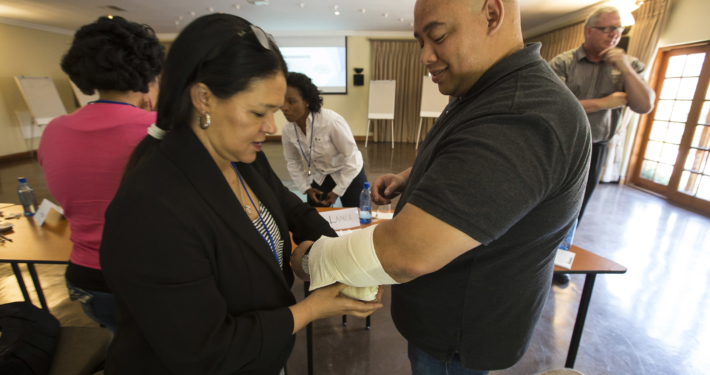
To be truly prepared, executives need a robust understanding of specific threats. The core modules of HEAT provide this foundation.
Kidnap and Ransom Prevention Tactics
Kidnapping is a real risk in many regions. HEAT teaches you how to mitigate this threat with effective tactics. You’ll learn how to reduce your profile and respond if targeted.
Practical exercises simulate potential scenarios, giving you firsthand experience in handling such crises. You’ll understand the mindset of kidnappers and develop strategies to safeguard yourself and your team. This preparation is crucial for maintaining safety during high-risk travel.
Active Assailant and Crowd Unrest Response
In volatile regions, crowd unrest can escalate quickly. Active assailant scenarios require immediate action. HEAT prepares you to respond decisively and protect those around you.
Training involves simulations that test your ability to make quick decisions. You’ll gain skills in crowd management and learn how to find safe exits. This module ensures you’re ready to lead during chaotic situations, prioritising the safety of your team and yourself.
Enhancing Corporate Security in Africa

Beyond individual readiness, corporate security is vital. Ensuring compliance and duty of care strengthens your organisation’s resilience.
Ensuring FCPA and UK Bribery Act Compliance
Compliance with international laws is non-negotiable. HEAT educates you on the FCPA and UK Bribery Act, ensuring your practices are above board.
You’ll explore case studies illustrating the consequences of non-compliance. By understanding these regulations, you protect your company from potential legal issues. Knowledge of these laws also enhances your reputation as a compliant and ethical leader.
Effective Duty of Care Strategies
Providing a duty of care is about more than just policies; it’s about real safety. HEAT focuses on creating and implementing effective strategies.
You’ll learn how to craft plans that genuinely protect employees. This includes assessing risks, planning emergency responses, and ensuring communication channels are clear. By prioritising duty of care, you not only meet legal obligations but also build trust within your team.
To sum up, HEAT equips your executives with the skills and knowledge needed to face crises head-on. From understanding local laws to responding to threats, your team will be prepared to navigate any challenge.
