Posts

FCPA compliance Africa poses unique challenges that often catch organisations off guard. Risks start with overlooked third-party relationships and extend through complex state-owned enterprise dealings. Understanding these core vectors is essential to protect your operations and reputation. This post outlines clear steps to reduce exposure, backed by proven measures from Zero Foundation Africa‘s trusted expertise.

Understanding FCPA Risks in Africa

Navigating the landscape of FCPA compliance in Africa requires recognising the core risks that companies face. These risks begin with third-party interactions and spread into more complex areas such as dealings with state-owned enterprises and facilitation payments.

Identifying Core Risk Vectors

The heart of FCPA compliance issues often lies in third-party relationships. These can include suppliers or distributors who might engage in corrupt practices. For example, a local supplier might offer bribes to speed up processes, putting your company at risk. To protect your business, it’s crucial to understand these potential threats:

  • Recognise the specific points where corruption could occur.

  • Develop strategies to monitor and control these interactions effectively.

By doing so, you enhance your ability to safeguard your operations and reputation.

State-Owned Enterprise Risk

Dealing with state-owned enterprises (SOEs) in Africa introduces another layer of complexity. These entities often have deep-rooted connections to government officials. For instance, engaging in business with SOEs can expose your company to undue political influence or bribery demands. Consider these steps to mitigate risks:

  • Conduct thorough background checks on SOEs before engagement.

  • Implement clear policies that govern interactions with these enterprises.

These measures can help you navigate the tricky terrain of SOE dealings, protecting both your business interests and ethical standing.

Facilitation Payments in Africa

Facilitation payments, or ‘grease payments’, are small bribes given to expedite routine governmental actions. They are common in some African countries, but they pose significant legal risks under the FCPA. An example might be a small payment to expedite a customs clearance. To address this issue:

  • Set a strict no-tolerance policy towards facilitation payments.

  • Train employees to handle situations where these payments might be requested.

By establishing clear guidelines, you not only comply with the FCPA but also bolster your company’s integrity.

Mitigating FCPA Exposure

With a clear understanding of the risks, the next step is to implement strategies that mitigate FCPA exposure. This involves enhanced due diligence, managing third-party risks, and adopting international standards like ISO 37001.

Enhanced Due Diligence Africa

Enhanced due diligence (EDD) is critical in scrutinising business partners and transactions. It goes beyond standard checks to deeply investigate potential risks. In Africa, EDD helps ensure compliance by:

  • Thoroughly vetting the background of partners and suppliers.

  • Uncovering hidden liabilities or unethical practices.

Implementing EDD protects your business from entering risky engagements, securing your reputation and operations.

Third-Party Risk Management

Managing third-party risks is essential to maintaining FCPA compliance. These partners can introduce vulnerabilities if not properly vetted. For example, a distributor might engage in corrupt practices unbeknownst to you. To manage these risks:

  • Establish comprehensive vetting processes for all partners.

  • Continuously monitor third-party activities for compliance.

Such proactive measures reduce the likelihood of unwittingly engaging in corrupt practices through third parties.

Implementing ISO 37001 in Africa

ISO 37001 provides a framework for implementing an anti-bribery management system. Adopting this standard in Africa can significantly enhance your compliance efforts. Here’s how:

  • Introduce policies and controls to prevent bribery.

  • Regularly train employees on anti-bribery practices and compliance.

By aligning with ISO 37001, your company demonstrates a commitment to ethical operations and strengthens its compliance posture.

Comprehensive Support Solutions
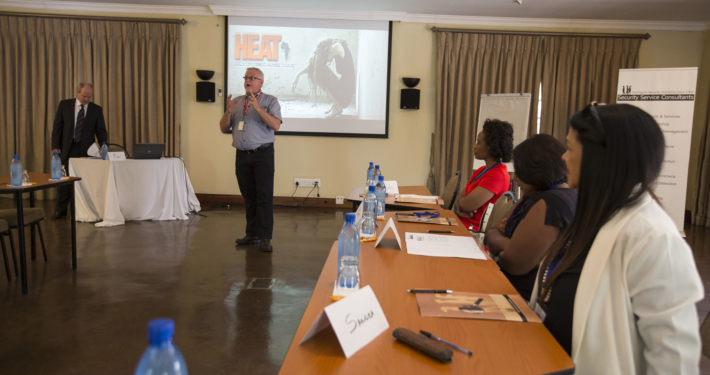
Beyond risk mitigation, comprehensive support solutions offer further protection. Whistleblowing programmes, forensic investigations, and counter-surveillance are key components.

Whistleblowing Programme Africa

A robust whistleblowing programme encourages employees to report unethical behaviour. This system serves as an early warning to potential FCPA violations. To implement effectively:

  • Ensure confidentiality and protection for whistleblowers.

  • Establish clear reporting channels and follow-up procedures.

Such programmes empower employees to act against unethical practices, strengthening your compliance framework.

Forensic Investigation Africa

Forensic investigations are crucial in uncovering and dealing with FCPA violations. They involve a detailed examination of financial records and transactions. In cases of suspected corruption:

  • Deploy forensic experts to investigate irregularities.

  • Gather court-ready evidence to support legal proceedings.

This approach not only resolves current issues but also deters future violations through a strong compliance message.

Counter-Surveillance Africa

Counter-surveillance techniques safeguard your company from espionage and data breaches. In Africa, where such threats are present, implementing these measures is vital:

  • Conduct regular sweeps to detect and neutralise surveillance devices.

  • Train staff to recognise and report suspicious activities.

With counter-surveillance strategies, you protect sensitive information and maintain business integrity.

Frequently Asked Questions

What are the main FCPA risks in Africa?

The main risks include third-party relationships, dealings with state-owned enterprises, and facilitation payments. These areas require careful management to ensure compliance.

How can enhanced due diligence help in Africa?

Enhanced due diligence involves detailed checks on potential business partners to uncover any hidden risks or unethical practices, helping maintain compliance and protect your company.

Why is ISO 37001 important for African operations?

ISO 37001 provides a structured approach to preventing bribery, ensuring your operations meet international standards and demonstrating a commitment to ethical business practices.


Corporate security management in Africa demands more than standard protocols. Your company faces unique risks—from political instability to insider threats—that require a risk-led approach. This guide outlines how to build operational resilience Africa-wide, reduce fraud and corruption exposure, and align your security with strict FCPA compliance Africa. Read on to learn how Zero Foundation Africa’s expertise can safeguard your assets and reputation across complex environments.

Building Operational Resilience in Africa

Navigating the corporate landscape in Africa requires a proactive approach. Building resilience is key to thriving amidst challenges. Let’s explore strategies that can boost your company’s ability to withstand and adapt to various risks.

Strategies for Risk Management in Africa

Understanding risks in Africa is crucial. You face unique threats, including political unrest and insider challenges. Start by conducting a comprehensive risk assessment to identify potential vulnerabilities. This involves analysing both external and internal factors that could impact your operations.

Next, prioritise risk mitigation strategies that are tailored to your specific needs. Implementing robust security protocols and continuously monitoring for emerging threats can greatly enhance your risk management efforts. Remember, staying informed about the latest developments in the region is essential.

Lastly, foster a culture of risk awareness within your organisation. Educate your team on the importance of security measures and encourage open communication about potential risks. By involving everyone, you create a collective sense of responsibility for safeguarding your business.

Enhanced Due Diligence in Complex Environments

Operating in complex environments requires an extra layer of scrutiny. Enhanced due diligence is not just a formality; it’s a necessity. Begin by conducting thorough background checks on potential partners and suppliers. This step is vital to ensure you’re dealing with reputable entities.

In addition, consider the geopolitical climate of the regions you’re operating in. Understanding local customs and legal frameworks can prevent misunderstandings and facilitate smoother operations. It’s also wise to engage local experts who can provide valuable insights into the specific challenges you might face.

Finally, maintain a continuous due diligence process. Regularly review and update your findings to account for any changes in circumstances. This proactive approach can protect your interests and help you navigate the complexities of operating in diverse African markets.

FCPA Compliance and Governance Africa

Adhering to compliance standards like the FCPA is crucial. It protects your business from legal repercussions and maintains your reputation. Establish a compliance program that integrates FCPA requirements into your daily operations.

Training your employees on anti-bribery practices is a core component of this program. Ensure they understand the legal implications of their actions and the importance of ethical conduct. Providing clear guidelines can empower them to make informed decisions.

Moreover, conduct regular audits to verify compliance adherence. This not only identifies potential issues but also demonstrates your commitment to ethical business practices. Upholding these standards reinforces trust with clients and partners, enhancing your business’s credibility.

Addressing Security Challenges

Security challenges in Africa require a targeted approach. Tackling these head-on ensures your business remains protected. Let’s delve into how you can address specific threats effectively.

Anti-Bribery and Corruption in Africa

Corruption is a major hurdle in Africa. Combatting it demands a zero-tolerance policy. Begin by implementing stringent anti-bribery measures across all levels of your organisation. This includes clear reporting procedures for suspicious activities.

Additionally, incorporate a whistleblower policy to encourage employees to report unethical behaviour without fear of retaliation. Creating an environment where integrity is valued can significantly reduce the risk of corruption.

To further bolster your efforts, engage in regular training sessions. Ensure your team is aware of the consequences of bribery and understands the importance of adhering to ethical standards. Empower them with the knowledge to act responsibly.

Hostile Environment Awareness Training

Operating in hostile environments requires preparation. Hostile Environment Awareness Training (HEAT) equips your team with the skills to navigate challenging situations. This training focuses on survival techniques and situational awareness.

Participants learn how to handle emergencies, enhancing their confidence in high-risk areas. By simulating real-world scenarios, they develop practical skills that could be life-saving. Additionally, this training promotes teamwork, ensuring everyone knows their role in a crisis.

Regular refresher courses keep skills sharp and knowledge up-to-date. Investing in HEAT demonstrates your commitment to employee safety, boosting morale and loyalty.

Technical Surveillance and Counter-Surveillance Africa

Protecting sensitive information is paramount. Technical surveillance and counter-surveillance measures safeguard your data from prying eyes. Start by conducting regular sweeps to detect any unauthorised surveillance devices.

Utilising advanced technology can enhance your ability to identify and neutralise potential threats. Stay ahead of the curve by updating your equipment and methodologies regularly. This proactive stance prevents breaches before they occur.

Additionally, educate your team on recognising signs of surveillance. Awareness is your first line of defence. By fostering a security-conscious culture, you minimise the risk of information leaks and protect your company’s interests.

Protecting Assets and Reputation

Safeguarding your assets and reputation is a top priority. Implementing comprehensive strategies ensures your business remains resilient in the face of adversity.

Travel Security Policy and HEAT Training Africa

A robust travel security policy is essential. It outlines protocols for safe travel, ensuring employees are prepared for potential risks. Incorporate HEAT training to equip them with necessary skills for handling emergencies.

Regularly update your policy to reflect current threats. This keeps your team informed and ready for any situation. Comprehensive planning reduces the chance of incidents and protects your company’s reputation.

Corporate Intelligence and Investigative Services

Corporate intelligence is vital for informed decision-making. Engage in thorough investigations to vet partners and suppliers. This diligence prevents association with high-risk entities and protects your business interests.

Utilising investigative services provides insights into potential threats. By understanding the landscape, you can make strategic decisions that bolster your operations. Trust in reliable intelligence to guide your business safely through complex environments.

Supply Chain Security and Asset Tracing Africa

Securing your supply chain is crucial. Implement measures to protect against disruptions and ensure continuity. Regular assessments identify vulnerabilities, allowing for timely interventions.

Asset tracing is another key component. Knowing the location and status of your assets enables quick responses to potential threats. By maintaining visibility, you control your supply chain and safeguard your investments.

Frequently Asked Questions

What is the importance of due diligence in Africa?

Enhanced due diligence is crucial in Africa due to complex operating environments. It ensures you’re dealing with reputable entities, reducing the risk of fraud and corruption. Regular assessments maintain business integrity and protect your interests.

How can HEAT training benefit my employees?

HEAT training equips employees with skills to handle emergencies in hostile environments. It boosts confidence and teamwork, ensuring safety in high-risk areas. Regular courses keep skills sharp, demonstrating your commitment to their well-being.

What measures can protect against technical surveillance?

Regular sweeps and advanced technology are key to countering technical surveillance. Educating your team on signs of surveillance enhances awareness. A proactive stance prevents breaches, safeguarding sensitive information and protecting your interests.

Legal and compliance teams face relentless pressure to identify bribery, sanctions, AML, and security risks in Africa. A quick, repeatable compliance audit Africa tool can cut through complexity and flag critical vulnerabilities fast. This framework reveals how to conduct a mini-audit that surfaces risks before they become liabilities. Zero Foundation Africa stands ready to validate findings, guide remediation, and oversee ongoing monitoring with proven expertise.

Request Zero Foundation Africa’s Mini‑Audit Checklist and book a confidential 30‑minute scoping call to prioritise remediation.

Understanding the Mini‑Audit Framework

Legal and compliance teams are under pressure to manage risks in Africa. This section explores a practical mini-audit framework designed to tackle these challenges head-on.

Identifying Key Risk Areas

Risks in Africa can seem overwhelming, but breaking them into key areas helps. Start by looking at bribery, sanctions, and AML risks. These are common issues that can turn into major problems if ignored. For example, a company might unknowingly work with a sanctioned entity, leading to hefty fines. By focusing on these key areas, you can avoid such pitfalls.

Bribery is a significant concern. Companies should ensure they are not unknowingly participating in corrupt practices. Sanctions are another area to watch closely. Whether it’s international or local, staying compliant is crucial. AML (Anti-Money Laundering) measures are vital too. Identifying where money comes from and goes helps prevent illegal activities. By identifying these areas, you can take proactive steps to manage risks effectively.

Developing a Repeatable Process

Creating a consistent process for audits makes risk management easier. Start by setting clear goals for what you want the audit to achieve. This keeps the team focused and ensures nothing is missed. Document each step so that anyone can follow it. This process should be simple enough for any team member to understand, yet comprehensive enough to cover all necessary aspects.

Next, gather the right tools and resources. Having access to the latest data and technology can make a significant difference. Regular training for staff on using these tools is also beneficial. Finally, schedule regular reviews to ensure the process remains effective. This repetition not only builds confidence but also uncovers patterns over time, helping you see what works best.

Implementing the Framework Across Africa

Applying this framework across different regions in Africa requires careful planning. The following sections outline how you can implement it effectively.

Conducting Enhanced Due Diligence

Due diligence is essential in Africa’s complex market environment. To conduct effective due diligence, start by collecting detailed information on all partners and transactions. This includes verifying identities and checking for any history of illegal activities. Enhanced due diligence might require deeper investigations, especially when dealing with high-risk entities.

Use local insights to your advantage. Understanding cultural nuances and regional differences can provide critical context. This approach can reveal potential red flags that are not immediately obvious. Additionally, engage local experts who understand the regulatory landscape. Their knowledge can prevent costly missteps. Regular updates to your due diligence process ensure that it stays relevant and effective.

Addressing Anti-Bribery and Corruption

Tackling bribery and corruption requires clear policies and strict enforcement. Establish robust anti-bribery policies that outline acceptable practices and consequences for violations. Training your employees on these policies ensures that everyone is aware and vigilant. Real-life scenarios in training sessions can make these policies more relatable and easier to understand.

Monitoring and reporting are vital components. Implement systems that allow employees to report suspicious activities anonymously. This encourages transparency and accountability. Regular audits can highlight potential areas of concern. Make sure to act on findings promptly to maintain trust and integrity within your organisation.

Partnering with Zero Foundation Africa

Zero Foundation Africa offers unmatched expertise in managing compliance and security risks across the continent. Discover how they can support your organisation’s needs.

Comprehensive Corporate Intelligence Services

Zero Foundation Africa provides a wide range of intelligence services tailored to your needs. From asset tracing to fraud risk assessment, they offer solutions to protect your business. Their team combines local knowledge with international standards, ensuring you get the best of both worlds. Their services are crafted to address the unique challenges of operating in Africa.

They specialise in FCPA compliance and UK Bribery Act compliance, helping you navigate these complex regulations. Their expertise in predictive intelligence and risk anticipation tools allows you to stay ahead of potential threats. By partnering with Zero Foundation Africa, you gain access to their vast network and proven methodologies.

Booking Your Confidential Consultation

Taking the first step towards effective risk management is easy. Zero Foundation Africa offers a confidential consultation service to assess your specific needs. This session will provide you with insights into potential risks and how best to address them. With their guidance, you can develop a tailored plan to mitigate those risks.

The longer you wait, the more you risk exposure to compliance issues. Ensure your organisation is protected by partnering with experts who understand the intricacies of operating in Africa. Their experience and dedication make them the ideal partner to support your compliance and security goals.

A Practical Mini‑Audit Framework for Legal and Compliance Teams Across Africa

Most legal and compliance teams underestimate how quickly risk can escalate across Africa’s diverse markets. Your current audit process might miss critical red flags in third-party risk management or anti-bribery and corruption controls. This practical Africa compliance mini-audit framework cuts through complexity, providing a sharp, targeted approach tailored for your operations. Keep reading to learn how to spot vulnerabilities before they become costly problems.

Building a Mini-Audit Framework

Creating a robust audit framework is your first step in addressing compliance challenges in Africa. Tailor your approach to the unique landscapes of this region.

Understanding Africa’s Compliance Needs

Compliance demands vary widely across Africa. Each country has distinct laws and risks. You need to understand these specifics to safeguard your operations. Start by identifying key legal frameworks in the regions where you operate. Consider factors like local anti-bribery laws and corruption levels. Recognize the importance of third-party risk management. Many compliance failures arise from not vetting partners properly. Effective management protects your business from potential pitfalls. Researching these areas helps you anticipate challenges. It empowers you to build a proactive strategy that keeps your organisation compliant and secure.

Key Elements of an Effective Mini-Audit

A targeted audit can quickly assess your organisation’s compliance health. Focus on a few key areas to uncover vulnerabilities. First, evaluate your current anti-bribery controls. Are they up-to-date and effective? Regular reviews are crucial to ensure they meet evolving standards. Next, assess your third-party relationships. Each partner should undergo thorough due diligence. This reduces the risk of unexpected compliance issues. Finally, examine your internal reporting mechanisms. Encourage transparency and provide clear channels for raising concerns. A robust framework helps you identify and address issues before they become major problems.

Leveraging Zero Foundation Africa’s Expertise

Partnering with a trusted advisor like Zero Foundation Africa strengthens your compliance efforts. Our local expertise guides you through complex regulations. Our team offers insights into the nuances of African markets. We help you navigate legal frameworks and identify potential risks. With our support, you can streamline your processes and focus on core operations. Our proven strategies have helped many organisations avoid significant fines. Trust our experience to enhance your compliance strategy and protect your business interests.

Navigating Complex Compliance Landscapes

With a mini-audit framework in place, the next step is understanding how global regulations like the FCPA and UK Bribery Act apply within Africa.

FCPA and UK Bribery Act in Africa

The Foreign Corrupt Practices Act (FCPA) and UK Bribery Act have broad implications. They apply to any company with ties to the US or UK. Understanding their reach in Africa is critical. These laws target corruption and bribery, regardless of where they occur. Non-compliance can lead to hefty fines or legal troubles. To stay compliant, know how these laws intersect with local regulations. Implement measures to prevent bribery and corruption. Training your team on these laws is essential. Equip them with the knowledge to spot and report potential violations. This proactive approach helps you avoid legal pitfalls.

Enhanced Due Diligence and Risk Management

Enhanced due diligence is a cornerstone of effective compliance. It involves a deeper analysis of third-party relationships. Assess the background and business practices of your partners. This process identifies hidden risks that might affect your operations. It’s crucial for managing third-party risk. Conduct regular reviews to ensure compliance with local and international standards. Improved risk management protects your business from unforeseen challenges. A structured due diligence approach ensures that your partners align with your ethical standards. This reduces the likelihood of compliance breaches and protects your reputation.

Utilising Predictive Intelligence for Compliance

Predictive intelligence can transform your compliance strategy. It helps anticipate risks before they materialise. By analysing trends and patterns, you can forecast potential challenges. This allows for proactive adjustments to your compliance framework. Implementing predictive tools means you’re prepared for evolving threats. It’s a smart way to stay ahead in the compliance landscape. Regular updates to your systems ensure they remain effective. Embrace technology to enhance your risk management efforts and safeguard your operations.

Comprehensive Compliance Solutions

Having navigated the intricacies of compliance regulations, it’s time to explore solutions that provide robust protection across your operations.

Implementing Whistleblowing Frameworks

Whistleblowing frameworks are vital for transparent operations. They provide staff with safe channels to report unethical conduct. Establishing these channels is crucial for uncovering internal issues. Your employees are often the first to notice irregularities. Encourage them to speak up without fear of retaliation. This approach fosters a culture of openness and accountability. A strong whistleblowing framework supports your compliance efforts and strengthens your organisation’s ethical foundation.

Beneficial Ownership and Sanctions Screening

Understanding who truly owns your business partners is essential. Beneficial ownership checks reveal hidden interests that could pose risks. These insights help you make informed decisions about your partnerships. Sanctions screening is equally important. Ensure your partners aren’t on international watchlists. Regular checks prevent associations with sanctioned entities. Both processes protect your business from potential compliance breaches. They also safeguard your reputation by ensuring ethical partnerships.

Securing Corporate Travel and Cross-Border Investigations

Corporate travel presents unique security challenges. Implement comprehensive policies to protect your staff abroad. Consider the political and economic climate of each destination. Cross-border investigations require careful handling. Ensure your team understands local laws and customs. This knowledge prevents legal complications and enhances effectiveness. Adequate preparation is key to securing your operations in unfamiliar territories. With the right strategies, you can navigate these challenges confidently.

From Collection to Courtroom: Optimising Technical Surveillance to Strengthen Legal Investigations and Corporate Security in Africa

Most technical surveillance efforts in Africa fall short when evidence fails in court. You need surveillance that meets strict legal standards while protecting corporate security across diverse jurisdictions. This post outlines how optimising technical surveillance delivers court-ready evidence, preserves chain of custody, and strengthens your investigations in Africa—ensuring your compliance with FCPA, UK Bribery Act, and POPIA regulations.

Best Practices in Technical Surveillance

In today’s world, technical surveillance is not just an option; it’s a necessity. Your company’s legal and ethical standing depends on how you manage it. Let’s explore the best practices that ensure your surveillance is both effective and compliant.

Lawful and Ethical Surveillance

Your first priority is to ensure your surveillance activities are lawful. Knowing the laws in each jurisdiction is crucial. You must balance gathering vital information while respecting privacy rights. It’s not just about collecting data; it’s about doing it right.

Legal compliance isn’t enough. Ethical considerations matter too. Your actions reflect your brand’s integrity. By prioritising both, you build trust with stakeholders. This trust is your foundation for successful surveillance operations.

Court-Ready Evidence Techniques

Imagine having the evidence you need, but it’s deemed unusable in court. Frustrating, isn’t it? Avoid this by ensuring your evidence is court-ready. This means adhering to strict protocols during collection.

Documentation is key. Keep a detailed log of every step. This log must include who handled the evidence and how it was processed. By doing so, you maintain the integrity necessary for legal proceedings.

Ensuring Evidence Integrity

You can’t afford to lose evidence integrity. It’s vital to protect the chain of custody from start to finish. Proper handling prevents tampering or loss, ensuring your evidence stands up in court.

Use secure storage solutions. Digital evidence should be encrypted, and physical evidence must be locked away. By safeguarding your assets, you protect your legal standing and enhance your chances of success in investigations.

Strengthening Legal Investigations Across Africa

With a strong foundation in best practices, you’re ready to tackle investigations across Africa. Let’s delve into specific strategies that strengthen your efforts continent-wide.

Chain of Custody and Digital Forensics

Maintaining a solid chain of custody is your first step in digital forensics. Each piece of evidence must be tracked meticulously. This tracking ensures authenticity and reliability.

Digital forensics goes beyond simple data retrieval. It’s about piecing together a story. The details you uncover can make or break a case. By focusing on precision, your investigations gain credibility and effectiveness.

FCPA and UK Bribery Act Compliance

Compliance with international laws like the FCPA and UK Bribery Act is non-negotiable. These regulations demand transparency and accountability. Your actions must reflect a commitment to ethical conduct.

Understanding these laws isn’t enough. You need to integrate their principles into your operations. Doing so not only avoids penalties but also enhances your reputation as a responsible entity on the global stage.

POPIA Compliance in Africa

Operating in Africa requires adherence to the Protection of Personal Information Act (POPIA). This law governs how personal data is collected and processed. Compliance is crucial for maintaining trust and avoiding legal issues.

Adopt clear data protection policies. Train your staff on these requirements. By embedding POPIA principles into your operations, you demonstrate respect for individual rights, building confidence in your firm’s practices.

Enhancing Corporate Security Measures

Now, let’s pivot to enhancing your corporate security measures. These measures are the backbone of your operational success and legal compliance.

Surveillance Risk Assessment and TSCM

Start with a thorough risk assessment. Identify vulnerabilities in your current surveillance setup. Once identified, take corrective actions through Technical Surveillance Countermeasures (TSCM).

TSCM involves sweeping for hidden listening devices and securing communication channels. By doing this, you shield your operations from unwanted eavesdropping, ensuring your business remains secure and private.

Asset Tracing and Enhanced Due Diligence

Asset tracing reveals hidden risks. By identifying and tracking assets, you gain insights into potential threats. This proactive approach is essential for thorough due diligence.

Enhanced due diligence goes beyond surface-level checks. It involves deep investigation into financial backgrounds and affiliations. This level of scrutiny protects your interests and prevents future complications.

Cape Town Corporate Intelligence Solutions

Cape Town serves as a hub for corporate intelligence solutions. Here, you find experts with local insights and global reach. Partnering with specialists in this region enhances your access to reliable information.

These solutions empower you to make informed decisions. Armed with accurate intelligence, you navigate complex African markets with confidence, securing your company’s future.