FCPA compliance Africa is a complex challenge that catches many organisations off guard. Exposure often begins with overlooked third-party risks and incomplete due diligence on local partners. You’ll see exactly where these vulnerabilities lie and how targeted internal controls can shut down costly compliance failures before they escalate. Read on to protect your African operations with intelligence-backed strategies trusted by market leaders.
Understanding FCPA Exposure in Africa
Compliance with the FCPA in African markets requires careful navigation of local complexities. The path to understanding begins with recognising the most vulnerable points within these markets.
Key Exposure Points in African Markets
African markets present unique challenges. Third-party relationships often become the weakest link. Many organisations fail to conduct comprehensive checks on their partners. This oversight can lead to significant risks. Local customs may involve practices that clash with FCPA standards. Without proper due diligence, you might unknowingly engage in activities that violate anti-bribery laws.
Particular sectors, such as mining and oil, are more susceptible due to the high stakes and potential for corruption. Companies operating in these areas must exercise heightened scrutiny. Additionally, the informal business environment in some regions complicates transparency. You need a strategy to identify and manage these potential pitfalls effectively.
The Role of State-Owned Enterprises
State-owned enterprises (SOEs) are significant players in African economies. They often control key industries, making interaction with them almost inevitable. However, dealing with SOEs can increase your exposure to FCPA risks. These enterprises sometimes operate with less transparency. Thus, transactions with them require extra caution.
Bribery and corruption risks heighten when engaging with SOEs. It’s crucial to have clear policies and rigorous checks in place. You must understand the risk profiles of these entities. This involves assessing their governance structures and past compliance records. Being proactive here can save you from future complications.
Navigating Customs and Licensing Risks
Customs and licensing processes are another complex area. African markets often have intricate procedures that can lead to compliance challenges. Corruption in these processes is not uncommon. It’s important to ensure your procedures align with FCPA standards to avoid inadvertent violations.
Licensing risks can stem from opaque requirements and bureaucratic hurdles. You should establish a clear understanding of the local processes. Engaging local experts can provide the insights needed to navigate these challenges effectively. This approach reduces the risk of compliance breaches and supports smoother operations.
Effective Strategies to Mitigate Risks
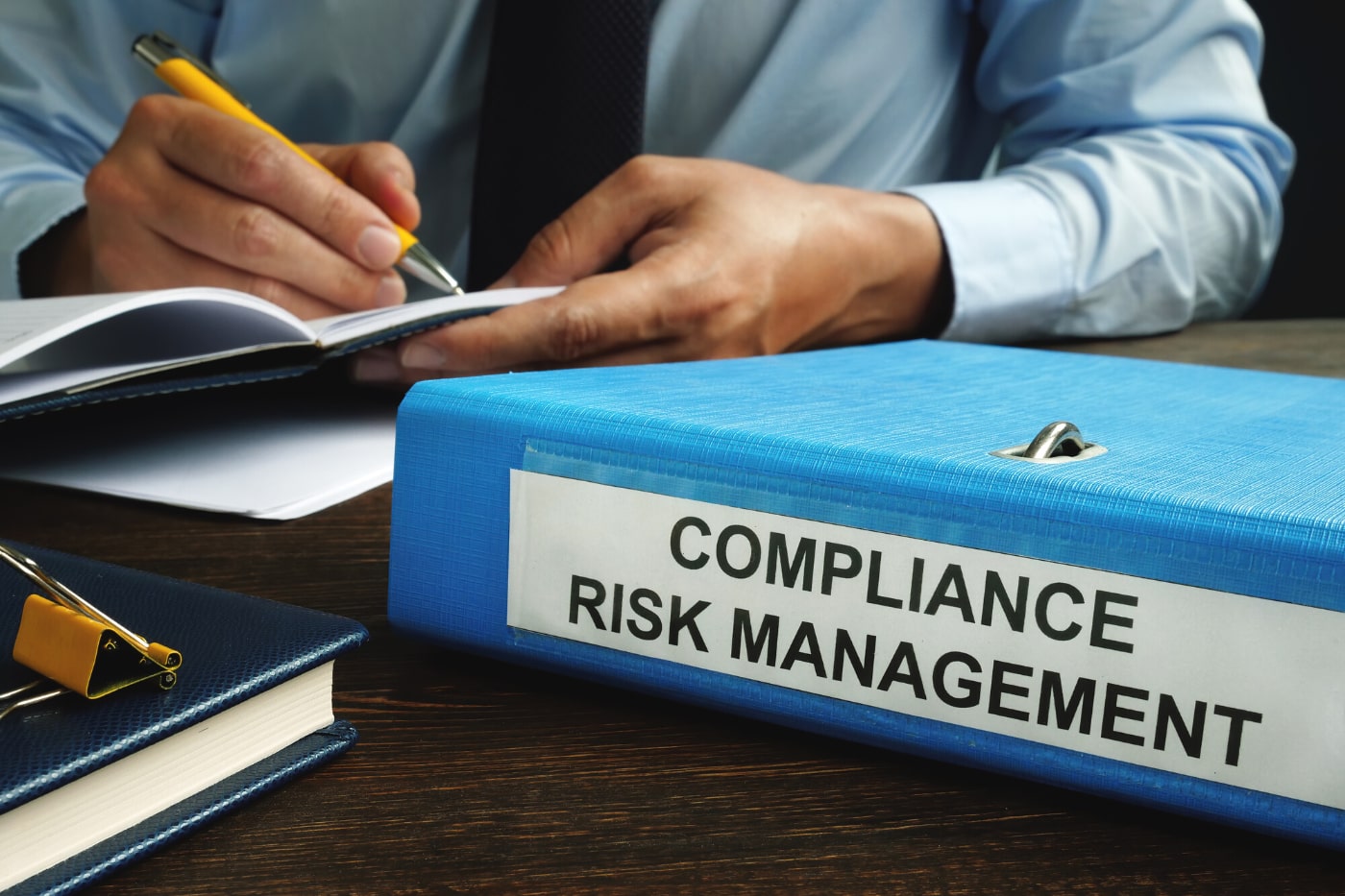
To mitigate risks, adopting effective strategies is essential. Implementing robust internal controls and due diligence processes forms the backbone of compliance efforts.
Implementing Internal Controls Programmes
Strong internal controls are your first line of defence. These programmes should be designed to address specific risks identified in your operations. Controls must be regularly updated to adapt to changing environments. Clear policies and consistent training ensure everyone in your organisation understands compliance requirements.
Regular audits and reviews help detect areas needing improvement. Internal audits provide valuable insights into the effectiveness of your controls. Consistent monitoring and adjustments will keep your compliance strategy aligned with FCPA standards.
Enhanced Due Diligence on Third Parties
Enhancing due diligence on third parties is crucial. This involves more than just basic background checks. You must verify the integrity and compliance history of your partners. Identifying beneficial ownership and politically exposed persons (PEPs) in your partner network reduces risks.
Thorough due diligence includes assessing financial health and business practices. By understanding the full profile of your partners, you can make informed decisions. This proactive approach protects your organisation from potential compliance breaches.
Monitoring Books and Records for Compliance
Maintaining accurate books and records is vital for FCPA compliance. Regular monitoring ensures financial activities align with legal standards. This includes keeping detailed records of transactions and ensuring transparency in all dealings.
Conducting periodic reviews of financial records helps identify discrepancies. These reviews act as an early warning system for potential issues. By maintaining diligent record-keeping practices, you safeguard your organisation against compliance failures.
Partnering with Zero Foundation Africa

Partnering with experts provides a layer of confidence. Zero Foundation Africa offers tailored solutions for FCPA compliance challenges.
Comprehensive Compliance and Investigation Services
Zero Foundation Africa provides comprehensive services to address compliance needs. Our team conducts thorough investigations to uncover potential risks. Using local expertise, we gather valuable intelligence that informs your compliance strategies.
Our services include enhanced due diligence and compliance checks. We aim to provide you with actionable insights to fortify your operations. By partnering with us, you gain access to a wealth of experience and knowledge.
Benefits of a Tailored Risk Assessment
A tailored risk assessment identifies your specific exposure points. This personalised approach ensures that compliance efforts target the most vulnerable areas. Our assessments provide a clear picture of your current standing and risk levels.
With a precise understanding of your risks, you can implement focused strategies. This proactive stance reduces the likelihood of compliance issues. Our assessments guide you in making informed decisions that protect your interests.
Requesting a Confidential FCPA Exposure Assessment
To ensure your operations remain compliant, consider a confidential FCPA exposure assessment. Our team conducts in-depth analyses to identify potential vulnerabilities in your organisation. By addressing these risks early, you avoid costly compliance failures.
Our assessments are discreet and thorough, ensuring your peace of mind. Partner with Zero Foundation Africa to navigate the complexities of FCPA compliance with confidence.
Frequently Asked Questions
What are the main FCPA risks in African markets?
The primary risks include third-party relationships, interactions with state-owned enterprises, and challenges in customs and licensing processes. These areas require careful management to prevent compliance breaches.
How can I reduce FCPA exposure when dealing with SOEs?
Implement robust due diligence processes and establish clear compliance policies. Understand the governance and past compliance records of the SOEs you engage with to mitigate risks effectively.
Why is enhanced due diligence important for FCPA compliance?
Enhanced due diligence provides a comprehensive understanding of third parties’ integrity and compliance history. This helps in making informed decisions and reducing potential compliance risks.
What role does record-keeping play in FCPA compliance?
Accurate record-keeping ensures transparency in financial activities and helps identify discrepancies early. This practice is crucial for maintaining compliance and avoiding potential legal issues.
How can Zero Foundation Africa assist with FCPA compliance?
Zero Foundation Africa offers tailored compliance and investigation services. Our team conducts thorough risk assessments and provides actionable insights to help you navigate FCPA challenges effectively.