
FCPA compliance Africa poses unique challenges that often catch organisations off guard. Risks start with overlooked third-party relationships and extend through complex state-owned enterprise dealings. Understanding these core vectors is essential to protect your operations and reputation. This post outlines clear steps to reduce exposure, backed by proven measures from Zero Foundation Africa‘s trusted expertise.
Understanding FCPA Risks in Africa
Navigating the landscape of FCPA compliance in Africa requires recognising the core risks that companies face. These risks begin with third-party interactions and spread into more complex areas such as dealings with state-owned enterprises and facilitation payments.
Identifying Core Risk Vectors
The heart of FCPA compliance issues often lies in third-party relationships. These can include suppliers or distributors who might engage in corrupt practices. For example, a local supplier might offer bribes to speed up processes, putting your company at risk. To protect your business, it’s crucial to understand these potential threats:
-
Recognise the specific points where corruption could occur.
-
Develop strategies to monitor and control these interactions effectively.
By doing so, you enhance your ability to safeguard your operations and reputation.
State-Owned Enterprise Risk
Dealing with state-owned enterprises (SOEs) in Africa introduces another layer of complexity. These entities often have deep-rooted connections to government officials. For instance, engaging in business with SOEs can expose your company to undue political influence or bribery demands. Consider these steps to mitigate risks:
-
Conduct thorough background checks on SOEs before engagement.
-
Implement clear policies that govern interactions with these enterprises.
These measures can help you navigate the tricky terrain of SOE dealings, protecting both your business interests and ethical standing.
Facilitation Payments in Africa
Facilitation payments, or ‘grease payments’, are small bribes given to expedite routine governmental actions. They are common in some African countries, but they pose significant legal risks under the FCPA. An example might be a small payment to expedite a customs clearance. To address this issue:
-
Set a strict no-tolerance policy towards facilitation payments.
-
Train employees to handle situations where these payments might be requested.
By establishing clear guidelines, you not only comply with the FCPA but also bolster your company’s integrity.
Mitigating FCPA Exposure

With a clear understanding of the risks, the next step is to implement strategies that mitigate FCPA exposure. This involves enhanced due diligence, managing third-party risks, and adopting international standards like ISO 37001.
Enhanced Due Diligence Africa
Enhanced due diligence (EDD) is critical in scrutinising business partners and transactions. It goes beyond standard checks to deeply investigate potential risks. In Africa, EDD helps ensure compliance by:
-
Thoroughly vetting the background of partners and suppliers.
-
Uncovering hidden liabilities or unethical practices.
Implementing EDD protects your business from entering risky engagements, securing your reputation and operations.
Third-Party Risk Management
Managing third-party risks is essential to maintaining FCPA compliance. These partners can introduce vulnerabilities if not properly vetted. For example, a distributor might engage in corrupt practices unbeknownst to you. To manage these risks:
-
Establish comprehensive vetting processes for all partners.
-
Continuously monitor third-party activities for compliance.
Such proactive measures reduce the likelihood of unwittingly engaging in corrupt practices through third parties.
Implementing ISO 37001 in Africa
ISO 37001 provides a framework for implementing an anti-bribery management system. Adopting this standard in Africa can significantly enhance your compliance efforts. Here’s how:
-
Introduce policies and controls to prevent bribery.
-
Regularly train employees on anti-bribery practices and compliance.
By aligning with ISO 37001, your company demonstrates a commitment to ethical operations and strengthens its compliance posture.
Comprehensive Support Solutions
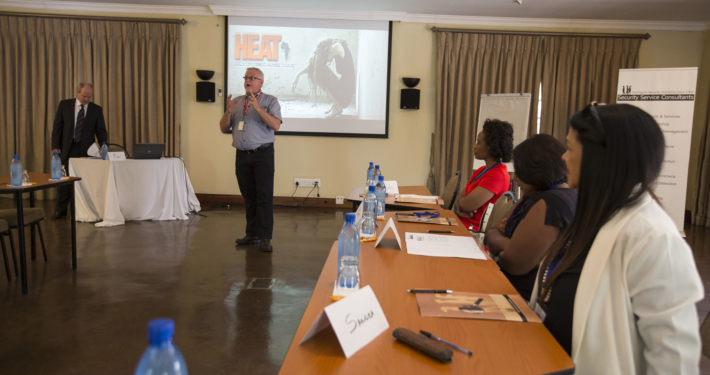
Beyond risk mitigation, comprehensive support solutions offer further protection. Whistleblowing programmes, forensic investigations, and counter-surveillance are key components.
Whistleblowing Programme Africa
A robust whistleblowing programme encourages employees to report unethical behaviour. This system serves as an early warning to potential FCPA violations. To implement effectively:
-
Ensure confidentiality and protection for whistleblowers.
-
Establish clear reporting channels and follow-up procedures.
Such programmes empower employees to act against unethical practices, strengthening your compliance framework.
Forensic Investigation Africa
Forensic investigations are crucial in uncovering and dealing with FCPA violations. They involve a detailed examination of financial records and transactions. In cases of suspected corruption:
-
Deploy forensic experts to investigate irregularities.
-
Gather court-ready evidence to support legal proceedings.
This approach not only resolves current issues but also deters future violations through a strong compliance message.
Counter-Surveillance Africa
Counter-surveillance techniques safeguard your company from espionage and data breaches. In Africa, where such threats are present, implementing these measures is vital:
-
Conduct regular sweeps to detect and neutralise surveillance devices.
-
Train staff to recognise and report suspicious activities.
With counter-surveillance strategies, you protect sensitive information and maintain business integrity.
Frequently Asked Questions
What are the main FCPA risks in Africa?
The main risks include third-party relationships, dealings with state-owned enterprises, and facilitation payments. These areas require careful management to ensure compliance.
How can enhanced due diligence help in Africa?
Enhanced due diligence involves detailed checks on potential business partners to uncover any hidden risks or unethical practices, helping maintain compliance and protect your company.
Why is ISO 37001 important for African operations?
ISO 37001 provides a structured approach to preventing bribery, ensuring your operations meet international standards and demonstrating a commitment to ethical business practices.
