How to Protect Your Business Reputation in High-Risk African Markets
Emerging African market risks threaten more than operational continuity. They place your corporate reputation under direct pressure. Without precise corporate intelligence and disciplined due diligence, hidden threats can escalate rapidly. This guide outlines strategic intelligence and security solutions designed to protect your reputation while supporting FCPA compliance. Discover how Zero Foundation Africa’s deep local expertise helps secure your organisation’s future across the African continent.
Understanding Africa Market Risks
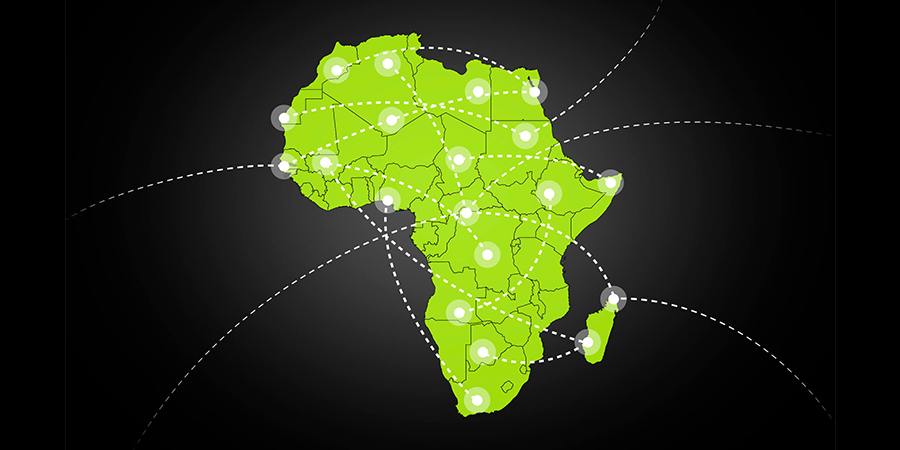
African markets present significant growth potential while introducing complex and evolving risk factors. Sustainable success requires anticipating these risks and addressing them decisively
Key Challenges in African Markets
Operating across African jurisdictions involves navigating political uncertainty, regulatory inconsistency and regional volatility. Sudden shifts in trade policy can disrupt supply chains. Political instability in one country can quickly affect neighbouring states which places regional operations at risk. Understanding these interconnected dynamics is essential for effective risk mitigation.
Economic volatility further complicates market entry and expansion. Currency fluctuations and inflationary pressures can impact profitability and long-term planning. With 54 sovereign states each governed by distinct legal and compliance frameworks, regulatory exposure increases significantly. Partnering with experienced local specialists is critical. Their insight enables organisations to identify risks early while capitalising on emerging opportunities.
Importance of Corporate Intelligence
Corporate intelligence is foundational to risk-aware decision-making in Africa. Accurate intelligence provides visibility into political developments, regulatory shifts and reputational threats. It enables organisations to identify vulnerabilities before they become liabilities.
Understanding competitor behaviour and local market conditions strengthens strategic positioning. Intelligence-led decision-making also supports regulatory compliance including adherence to the Foreign Corrupt Practices Act. By embedding corporate intelligence into governance structures, organisations protect brand credibility and reinforce stakeholder trust.
Strategic Intelligence and Security Solutions
Successfully operating in African markets requires integrated intelligence and security frameworks. These solutions allow organisations to anticipate risk rather than react to disruption.
Implementing FCPA Compliance
FCPA compliance is a non-negotiable requirement for organisations operating across Africa. Effective compliance frameworks reduce legal exposure while reinforcing ethical governance. Avoiding regulatory penalties is important. Preserving corporate reputation is essential.
Organisations should begin by establishing clear anti-corruption policies supported by regular training. Employees must understand their obligations and the consequences of non-compliance. Ongoing audits play a vital role in identifying weaknesses before they escalate into enforcement actions.
Working with specialists such as Zero Foundation Africa strengthens compliance outcomes. Their jurisdiction-specific expertise ensures policies align with local realities while meeting international regulatory standards. This proactive approach enhances credibility with partners, regulators and investors.
Effective Risk Management Strategies
Risk management underpins operational resilience in African markets. The process begins with comprehensive risk assessments that identify political, financial and reputational threats. These insights inform mitigation strategies tailored to each operating environment.
Diversification reduces exposure to country-specific disruptions and market shocks. Real-time monitoring tools enhance situational awareness and enable rapid response to emerging risks. Collaboration with local intelligence professionals provides critical context that improves decision quality. Their regional knowledge ensures strategies remain practical, proportionate and effective.
The Role of Due Diligence
Due diligence is a core pillar of reputational protection. It involves rigorous investigation of prospective partners, acquisitions and supply chain relationships. This process reduces exposure to corruption, fraud and regulatory breaches.
Credential verification and background screening help uncover undisclosed risks. On-site assessments provide insight into operational practices and compliance standards. Due diligence also requires a detailed understanding of applicable local laws and enforcement environments.
Zero Foundation Africa delivers end-to-end due diligence services across Africa. Their local presence enables accurate intelligence gathering and court-ready reporting that supports defensible decision-making.
Safeguarding Business Reputation
Reputation protection demands a proactive and intelligence-led approach. Robust security frameworks combined with trusted partnerships form the foundation of long-term resilience.
Enhancing Security Solutions

Security strategies should address both physical and digital threats. Organisations must regularly assess existing security measures to identify vulnerabilities. Advanced surveillance systems and cybersecurity controls protect assets, data and personnel.
Security protocols should evolve alongside threat landscapes. Regular training ensures employees understand their role in maintaining a secure operating environment. Strong security governance reinforces stakeholder confidence while reducing exposure to reputational harm.
Partnering with Zero Foundation Africa
Selecting the right intelligence and security partner is critical in Africa. Zero Foundation Africa operates across all 54 countries with on-the-ground specialists who understand local risk dynamics. Their services span corporate intelligence, due diligence, compliance support and security risk management.
Partnering with Zero Foundation Africa provides organisations with actionable intelligence and defensible insights. It demonstrates a clear commitment to ethical operations and regulatory compliance. This alignment strengthens reputation while enabling confident expansion across African markets.
Conclusion
Navigating African market risks requires strategic intelligence, disciplined compliance frameworks and robust security solutions. Organisations that invest in corporate intelligence, due diligence and expert partnerships are better positioned to protect their reputation and achieve sustainable growth. With the right strategy and trusted advisors, Africa’s complexity becomes a competitive advantage rather than a liability.