Posts

Most security controls in Africa falter because they ignore on-the-ground realities. You cannot rely on generic frameworks when infrastructure varies and regulatory risks spike unpredictably. This is why corporate security Africa demands controls designed, tested, and proven for actual operating conditions. In this post, you will learn how to build resilient security measures that withstand Africa’s complexities and why Zero Foundation Africa stands as your trusted partner for compliance and crisis readiness across 55 countries.

Request a confidential Pan‑African security control gap assessment today.

Designing Security Controls for Africa

Building security measures that last requires understanding Africa’s unique challenges.

Realities of African Operating Conditions

Operating in Africa brings unique hurdles. Infrastructure can vary dramatically, and regulatory environments shift without warning. Understanding these factors is vital. You need security controls that are not only robust but adaptable.

In some regions, power outages and communication black spots are common. This affects how you deploy technology-based security measures. Additionally, local customs and practices often play a role in how policies are enforced or understood. This is where tailored solutions become indispensable.

Without acknowledging these realities, you risk having measures that fail when needed most. Think of it like this: a one-size-fits-all approach simply doesn’t work here. The key is designing controls with local insights and adaptability in mind.

Stress-Testing Security Measures

How do you know if your security measures are up to the task? Stress-testing is essential. This means putting each control through scenarios that mimic real-life challenges.

Consider power cuts as an example. You must test how systems operate during outages. This involves not just technology checks but also training your team to handle unexpected situations effectively.

Stress-testing is not a one-time event. It should be part of an ongoing process. By regularly evaluating your systems, you ensure that they remain effective as conditions change. This proactive approach helps you stay ahead of potential threats.

Governance and Compliance Frameworks

Ensuring your security measures are compliant with local laws is crucial. Africa’s regulatory landscape is diverse, with each country having its own set of rules.

To navigate this, you need a governance framework that adapts to changes. This involves continuous monitoring and updates to your policies and procedures. It is about staying compliant while also being agile enough to adjust quickly when laws shift.

A strong governance framework not only helps you avoid legal issues but also builds trust with partners and clients. It signals that you are committed to operating ethically and responsibly across the continent.

Essential Security Management Practices

With foundational controls in place, let’s explore management practices that enhance security.

Enhanced Due Diligence in Africa

In Africa, due diligence goes beyond basic checks. It involves deeper investigation into potential partners and employees. With local nuances in mind, this ensures you have a complete picture.

Enhanced due diligence means looking at financial histories, reputational risks, and any potential red flags in an individual’s or entity’s background. This is critical in a continent where informal networks and unrecorded transactions are common.

By adopting enhanced due diligence, you protect your interests and build stronger stakeholder relationships. This thorough approach instills confidence in the decisions you make, keeping your operations secure and compliant.

Third-Party Risk Strategies

Managing third-party risks is about more than just vetting suppliers. It’s an ongoing process of monitoring and engagement.

Start by assessing the risk profile of each third-party relationship. This involves evaluating their compliance with local laws and their operational practices. Regular audits and checks should follow, ensuring sustained compliance and performance.

Effective third-party risk strategies protect your business from unforeseen disruptions. They help maintain the integrity of your supply chain and support long-term partnerships built on trust and reliability.

FCPA and UK Bribery Act Compliance

Compliance with the FCPA and UK Bribery Act is non-negotiable for businesses in Africa. These laws require you to maintain strict anti-corruption measures.

Implementing a compliance program includes training for your team, establishing clear reporting channels, and conducting regular audits. It’s about creating a culture where ethical practices are the norm.

By ensuring compliance, you protect your business from hefty fines and damage to your reputation. It demonstrates your commitment to ethical operations, reassuring stakeholders and clients alike.

Advanced Security Solutions and Services

Elevate your security strategy with advanced solutions tailored for Africa’s challenges.

Technical Surveillance Counter-Measures

Technical surveillance counter-measures (TSCM) are critical in safeguarding your operations. They help detect and neutralise spying devices that threaten your confidentiality.

With TSCM, you can identify hidden cameras, microphones, and other surveillance tools. This service ensures that your sensitive information remains protected from prying eyes.

Implementing TSCM is about more than technology. It involves training your team to recognise suspicious activities and respond appropriately. This proactive stance secures your communications and keeps your strategic plans safe.

Counter-Surveillance and Executive Protection

Counter-surveillance goes hand in hand with executive protection. These measures are essential for safeguarding key personnel against threats.

Counter-surveillance involves detecting and mitigating any attempts to monitor your movements or conversations. Executive protection adds a layer of safety, ensuring that your leaders can operate securely in high-risk areas.

By investing in these services, you not only protect your top executives but also maintain the stability and continuity of your operations. It’s about peace of mind and uninterrupted focus on your strategic goals.

Travel Risk Management and H.E.A.T. Training

Travel risk management is crucial for businesses operating across Africa. This involves preparing employees for potential risks they may face while travelling.

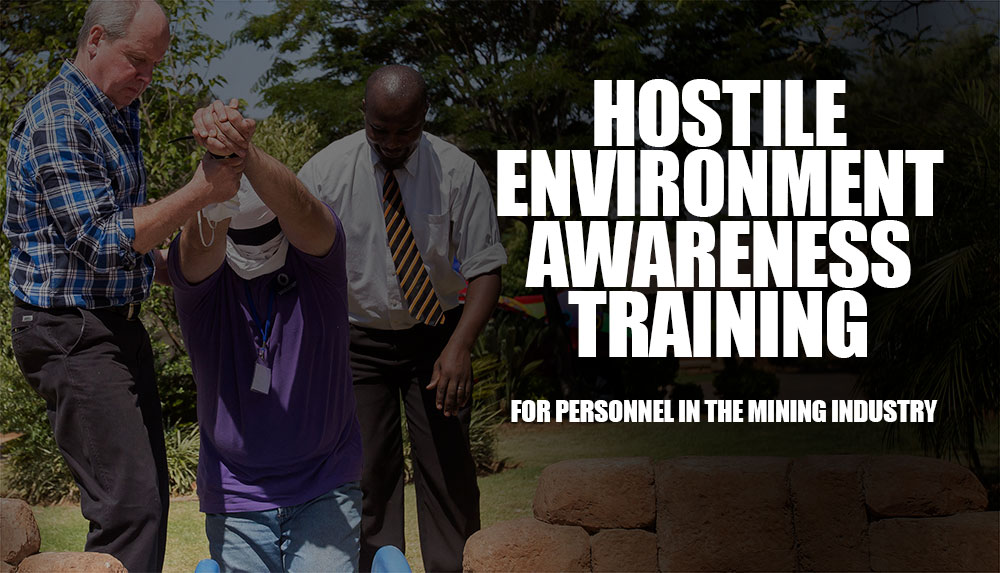
Hostile Environment Awareness Training (H.E.A.T.) equips your team with the skills needed to navigate challenging situations. From understanding local customs to responding to emergencies, this training is comprehensive.

By prioritising travel risk management and H.E.A.T., you fulfil your duty of care. It ensures that your employees are prepared and protected, allowing your business to operate smoothly and confidently.

Frequently Asked Questions

What are the key challenges in implementing security controls in Africa?

Implementing security controls in Africa involves navigating diverse infrastructure, variable regulatory environments, and local cultural practices. These factors require tailored solutions that are adaptable and informed by local insights.

How does enhanced due diligence differ in Africa?

Enhanced due diligence in Africa involves deeper investigations into financial histories and reputational risks. It accounts for informal networks and unrecorded transactions common in the continent, providing a comprehensive view of potential partners or employees.

What is H.E.A.T. training, and why is it important?

Hostile Environment Awareness Training (H.E.A.T.) prepares employees for risks they may encounter while travelling in challenging areas. It includes skills for handling emergencies and understanding local customs, ensuring safety and fulfilling duty of care.


Risk Management South Africa

Corporate security management in Africa demands controls tailored to the continent’s unique threat landscape. Generic solutions waste resources and leave gaps that expose your assets and reputation. You need localised security controls backed by Pan-African intelligence and board-certified expertise to manage risks effectively. This guide outlines how Zero Foundation Africa’s proven approach closes those gaps, ensuring compliance and resilience in complex environments across all 55 countries.

Understanding African Security Challenges

In Africa, every region presents its own set of security challenges. Understanding these is key to protecting your assets effectively.

Localised Threat Landscapes

Africa’s diverse environments mean threats vary significantly. Each country has its own political dynamics, economic conditions, and social factors that influence security. For example, urban areas may face higher risks of theft and cybercrime, while rural regions might encounter different challenges. Knowing these distinctions helps in tailoring security measures that are both effective and efficient. Localised security controls are crucial to address these unique issues and ensure that resources are not wasted on irrelevant threats.

Security Risk Management Strategies

Managing security risks in Africa requires a strategic approach. The first step is conducting a thorough security risk management analysis. This involves identifying potential threats and assessing their impact. Developing a strategy involves prioritising risks and implementing control measures accordingly. Use predictive tools to anticipate future threats. Regular reviews and updates to the strategy ensure it stays relevant as situations change. Ultimately, a well-executed strategy not only protects but also enhances business resilience.

Designing Effective Security Controls

Designing security measures that work for Africa requires a blend of local insight and global standards.

Proportionate Control Measures

Implementing control measures that are proportionate to the threat is essential. Overestimating threats can lead to unnecessary expenses, while underestimating them can leave your assets vulnerable. Start by evaluating the specific threats to your operations, then design controls that directly address these issues. For instance, enhanced due diligence might be necessary in high-risk areas to prevent fraud and compliance issues. The key is to ensure that every measure is justified by the threat it mitigates.

Board-Certified Security Management

Relying on board-certified expertise ensures that your security approach is both comprehensive and compliant with international standards. This guarantees that best practices are followed, providing peace of mind and operational integrity. Board-certified professionals bring a wealth of knowledge in designing and implementing security systems that integrate seamlessly with existing operations. Their expertise can transform your security from a reactive stance to a proactive strategy, anticipating and neutralising threats before they materialise.

Advanced Security Services in Africa

For more specialised needs, advanced security services offer targeted solutions that go beyond basic measures.

Technical Surveillance and Counter-Surveillance

Technical surveillance services are vital in high-stakes environments. These services include audio and video monitoring to gather intelligence for legal investigations. Counter-surveillance, such as TSCM, protects against unauthorised monitoring, ensuring your operations remain confidential. These solutions are essential in environments where information security is paramount, and the risks of espionage or data leaks are high. By using these advanced tools, you can safeguard sensitive information and maintain a competitive edge.

Hostile Environment Awareness Training

In regions with elevated risks, Hostile Environment Awareness Training (H.E.A.T.) prepares your team for the unexpected. This training equips personnel with the skills to handle crisis situations, enhancing both personal safety and operational continuity. Participants learn to navigate challenging environments, respond to threats, and ensure the safety of their colleagues. H.E.A.T. is an invaluable resource for teams operating in non-permissive environments, empowering them to act decisively under pressure and ensuring that they can continue their mission safely and effectively.

Frequently Asked Questions

What is the importance of localised security controls in Africa?

Localised security controls are crucial as they address specific threats unique to each region, ensuring resources are used efficiently and vulnerabilities are minimized.

How does board-certified expertise benefit security management?

Board-certified experts adhere to international standards, providing comprehensive and compliant security solutions that enhance operational integrity and anticipate potential threats.

Why is technical surveillance important for businesses?

Technical surveillance services gather crucial intelligence for legal investigations, while counter-surveillance protects sensitive information from unauthorised access and espionage.

What are the key components of Hostile Environment Awareness Training?

This training includes crisis response, threat navigation, and operational continuity skills, ensuring personnel can safely and effectively manage risks in non-permissive environments.

How do advanced security services support legal investigations?

They provide audio and video monitoring tools that collect evidence, ensuring that investigations are thorough and that findings are actionable in legal contexts.

Most corporate security plans for Africa miss the mark by relying on generic assumptions. You face threats unique to this continent—from insider risk to supply chain vulnerabilities—that demand tailored controls. Our approach to corporate security management Africa focuses on real, local threats, ensuring your defences address the risks that truly matter. Read on to learn how Zero Foundation Africa crafts security frameworks that stand up across all 55 countries.

Building Effective Security Controls

To protect your business effectively in Africa, you must tailor security measures to local threats. This ensures that your approach is both relevant and robust.

Understanding Local Threats

The key to effective security lies in knowing the specific threats you face. Africa’s diverse environments mean risks vary greatly. You might encounter insider threats in urban areas or supply chain issues in rural zones. Understanding these allows you to deploy the right strategies. What works in one region might not apply in another, so local intelligence is crucial. It helps identify real threats instead of relying on assumptions. By doing this, you can save resources and enhance protection for your assets.

Prioritising Security Management

Security management should focus on what matters most—your people, property, and information. Prioritising these elements ensures comprehensive protection. Start with a detailed assessment of your current security posture. Identify gaps and areas needing improvement. This process helps allocate resources effectively. You can then focus on the most pressing risks. With a clear understanding of priorities, you can implement targeted solutions. This approach not only boosts security but also reduces potential legal liabilities.

Addressing Regulatory Compliance

Compliance with local laws is non-negotiable. Failing to meet regulations can lead to fines and damage to your reputation. Each African country has its own set of regulations. Staying informed about these laws is essential. Regular audits and updates to your security policies ensure compliance. This proactive stance helps avoid penalties and demonstrates your commitment to lawful operations. By aligning with regulations, you protect your business interests and maintain a good standing in the community.

Comprehensive Pan-African Intelligence Solutions

Once you understand local threats, you can implement intelligence solutions across Africa. These solutions will keep you informed and one step ahead.

Enhanced Due Diligence Strategies

Thorough due diligence is vital in Africa’s dynamic business environment. Before entering any partnership, it’s crucial to conduct detailed background checks. This process helps you avoid risky associations and protect your reputation. Enhanced due diligence involves verifying credentials and uncovering potential conflicts of interest. It also includes financial vetting to ensure partners are solvent and compliant. By implementing these strategies, you minimise risks and make informed business decisions that support growth and stability.

Counter-Surveillance and Technical Services

In today’s world, information protection is paramount. Counter-surveillance measures are essential to safeguard your data and communication. Techniques like Technical Surveillance Countermeasures (TSCM) detect hidden devices that may compromise your privacy. Regular sweeps help ensure that your conversations remain confidential. Investing in these services protects your organisation from data breaches and industrial espionage. This proactive stance keeps your business secure and your competitive edge intact.

Predictive Intelligence Applications

Predictive intelligence is a powerful tool in risk management. It uses data to foresee potential threats and plan accordingly. By analysing trends, you can anticipate challenges before they arise. This approach allows for strategic planning and timely interventions. Incorporating predictive intelligence into your security framework enhances overall resilience. It prepares you for the unexpected, ensuring that you can adapt quickly to changes in the environment.

Implementing Security Management Consultancy

For comprehensive protection, consider seeking expert consultancy services. These services offer tailored solutions for your unique challenges.

Insider Threat Identification

Insider threats pose a significant risk to businesses. Identifying these threats early can prevent serious damage. Establish systems to monitor employee behaviour and flag unusual activities. Training staff to recognise signs of insider threats also helps. This proactive approach limits potential harm and secures your operations. By focusing on prevention, you protect your company from within.

Supply Chain Risk Mitigation

Supply chains are vulnerable to disruptions and breaches. Mitigating these risks is crucial for maintaining smooth operations. Conduct thorough assessments of your supply chain partners. Ensure they comply with your security standards. Regular audits help identify weaknesses and areas for improvement. Strengthening your supply chain not only protects your interests but also enhances efficiency and reliability.

Travel Security Policy Development

Travel security in Africa requires careful planning. Develop a comprehensive travel policy that addresses the unique risks of the continent. Include measures such as pre-trip briefings, secure transport arrangements, and emergency protocols. Training your staff on personal safety and cultural awareness is also beneficial. A well-defined travel security policy protects your employees and supports your duty-of-care obligations.

Frequently Asked Questions

What are the key threats to corporate security in Africa?
The main threats include insider risks, supply chain vulnerabilities, and regulatory challenges. Understanding these helps in crafting effective security measures.

How can businesses ensure regulatory compliance in Africa?
Regular audits and updates to security policies help maintain compliance with local laws. Staying informed about changes in regulations is also crucial.

Why is enhanced due diligence important in Africa?
Enhanced due diligence protects your business from risky associations. It involves verifying credentials and financial vetting, which are essential in a dynamic business environment.

What role does predictive intelligence play in security management?
Predictive intelligence anticipates potential threats by analysing trends. This allows for strategic planning and improves overall resilience.

How can companies protect against insider threats?
Implementing monitoring systems and training staff to recognise signs of insider threats are effective measures. This proactive approach limits potential harm.

Corporate security management in Africa demands more than standard protocols. Your company faces unique risks—from political instability to insider threats—that require a risk-led approach. This guide outlines how to build operational resilience Africa-wide, reduce fraud and corruption exposure, and align your security with strict FCPA compliance Africa. Read on to learn how Zero Foundation Africa’s expertise can safeguard your assets and reputation across complex environments.

Building Operational Resilience in Africa

Navigating the corporate landscape in Africa requires a proactive approach. Building resilience is key to thriving amidst challenges. Let’s explore strategies that can boost your company’s ability to withstand and adapt to various risks.

Strategies for Risk Management in Africa

Understanding risks in Africa is crucial. You face unique threats, including political unrest and insider challenges. Start by conducting a comprehensive risk assessment to identify potential vulnerabilities. This involves analysing both external and internal factors that could impact your operations.

Next, prioritise risk mitigation strategies that are tailored to your specific needs. Implementing robust security protocols and continuously monitoring for emerging threats can greatly enhance your risk management efforts. Remember, staying informed about the latest developments in the region is essential.

Lastly, foster a culture of risk awareness within your organisation. Educate your team on the importance of security measures and encourage open communication about potential risks. By involving everyone, you create a collective sense of responsibility for safeguarding your business.

Enhanced Due Diligence in Complex Environments

Operating in complex environments requires an extra layer of scrutiny. Enhanced due diligence is not just a formality; it’s a necessity. Begin by conducting thorough background checks on potential partners and suppliers. This step is vital to ensure you’re dealing with reputable entities.

In addition, consider the geopolitical climate of the regions you’re operating in. Understanding local customs and legal frameworks can prevent misunderstandings and facilitate smoother operations. It’s also wise to engage local experts who can provide valuable insights into the specific challenges you might face.

Finally, maintain a continuous due diligence process. Regularly review and update your findings to account for any changes in circumstances. This proactive approach can protect your interests and help you navigate the complexities of operating in diverse African markets.

FCPA Compliance and Governance Africa

Adhering to compliance standards like the FCPA is crucial. It protects your business from legal repercussions and maintains your reputation. Establish a compliance program that integrates FCPA requirements into your daily operations.

Training your employees on anti-bribery practices is a core component of this program. Ensure they understand the legal implications of their actions and the importance of ethical conduct. Providing clear guidelines can empower them to make informed decisions.

Moreover, conduct regular audits to verify compliance adherence. This not only identifies potential issues but also demonstrates your commitment to ethical business practices. Upholding these standards reinforces trust with clients and partners, enhancing your business’s credibility.

Addressing Security Challenges

Security challenges in Africa require a targeted approach. Tackling these head-on ensures your business remains protected. Let’s delve into how you can address specific threats effectively.

Anti-Bribery and Corruption in Africa

Corruption is a major hurdle in Africa. Combatting it demands a zero-tolerance policy. Begin by implementing stringent anti-bribery measures across all levels of your organisation. This includes clear reporting procedures for suspicious activities.

Additionally, incorporate a whistleblower policy to encourage employees to report unethical behaviour without fear of retaliation. Creating an environment where integrity is valued can significantly reduce the risk of corruption.

To further bolster your efforts, engage in regular training sessions. Ensure your team is aware of the consequences of bribery and understands the importance of adhering to ethical standards. Empower them with the knowledge to act responsibly.

Hostile Environment Awareness Training

Operating in hostile environments requires preparation. Hostile Environment Awareness Training (HEAT) equips your team with the skills to navigate challenging situations. This training focuses on survival techniques and situational awareness.

Participants learn how to handle emergencies, enhancing their confidence in high-risk areas. By simulating real-world scenarios, they develop practical skills that could be life-saving. Additionally, this training promotes teamwork, ensuring everyone knows their role in a crisis.

Regular refresher courses keep skills sharp and knowledge up-to-date. Investing in HEAT demonstrates your commitment to employee safety, boosting morale and loyalty.

Technical Surveillance and Counter-Surveillance Africa

Protecting sensitive information is paramount. Technical surveillance and counter-surveillance measures safeguard your data from prying eyes. Start by conducting regular sweeps to detect any unauthorised surveillance devices.

Utilising advanced technology can enhance your ability to identify and neutralise potential threats. Stay ahead of the curve by updating your equipment and methodologies regularly. This proactive stance prevents breaches before they occur.

Additionally, educate your team on recognising signs of surveillance. Awareness is your first line of defence. By fostering a security-conscious culture, you minimise the risk of information leaks and protect your company’s interests.

Protecting Assets and Reputation

Safeguarding your assets and reputation is a top priority. Implementing comprehensive strategies ensures your business remains resilient in the face of adversity.

Travel Security Policy and HEAT Training Africa

A robust travel security policy is essential. It outlines protocols for safe travel, ensuring employees are prepared for potential risks. Incorporate HEAT training to equip them with necessary skills for handling emergencies.

Regularly update your policy to reflect current threats. This keeps your team informed and ready for any situation. Comprehensive planning reduces the chance of incidents and protects your company’s reputation.

Corporate Intelligence and Investigative Services

Corporate intelligence is vital for informed decision-making. Engage in thorough investigations to vet partners and suppliers. This diligence prevents association with high-risk entities and protects your business interests.

Utilising investigative services provides insights into potential threats. By understanding the landscape, you can make strategic decisions that bolster your operations. Trust in reliable intelligence to guide your business safely through complex environments.

Supply Chain Security and Asset Tracing Africa

Securing your supply chain is crucial. Implement measures to protect against disruptions and ensure continuity. Regular assessments identify vulnerabilities, allowing for timely interventions.

Asset tracing is another key component. Knowing the location and status of your assets enables quick responses to potential threats. By maintaining visibility, you control your supply chain and safeguard your investments.

Frequently Asked Questions

What is the importance of due diligence in Africa?

Enhanced due diligence is crucial in Africa due to complex operating environments. It ensures you’re dealing with reputable entities, reducing the risk of fraud and corruption. Regular assessments maintain business integrity and protect your interests.

How can HEAT training benefit my employees?

HEAT training equips employees with skills to handle emergencies in hostile environments. It boosts confidence and teamwork, ensuring safety in high-risk areas. Regular courses keep skills sharp, demonstrating your commitment to their well-being.

What measures can protect against technical surveillance?

Regular sweeps and advanced technology are key to countering technical surveillance. Educating your team on signs of surveillance enhances awareness. A proactive stance prevents breaches, safeguarding sensitive information and protecting your interests.

Corporate Security Trends in Africa 2026: What Businesses Must Know

Corporate security Africa faces unprecedented challenges in 2026. Rising regulatory demands and evolving risks require sharper vigilance from your teams. This briefing outlines critical Africa risk 2026 trends and how enhanced due diligence Africa and FCPA compliance Africa shape your security landscape. Stay ahead with expert insights and practical steps to protect your business on the continent.

Emerging Corporate Security Trends

Let’s explore the corporate security trends shaping Africa in 2026. These trends will help you navigate the complex landscape of risks and compliance.

Africa Risk Landscape 2026

Understanding the risk landscape is key to staying ahead. In 2026, Africa faces a host of challenges that demand your attention. Political instability and economic shifts create a volatile environment. Natural disasters and health crises add layers of complexity. These elements can directly impact your operations and strategic decisions.

You might think that these risks are distant, but they can quickly become localised. Businesses must prepare for disruptions that ripple across borders. The interconnected nature of today’s world means that a change in one region can affect the entire continent. By staying informed, you can anticipate these shifts and adapt your strategies accordingly.

Here’s the key insight: The more you know about the evolving risks, the better equipped you are to mitigate them. Most organisations underestimate the impact of regional instability. Understanding these patterns can give you a competitive edge.

Key Compliance Challenges

Compliance is not just about ticking boxes. It’s about safeguarding your reputation and operations. In Africa, compliance challenges are growing more complex. Anti-corruption laws, tax regulations, and labour laws are constantly changing. Keeping up with these changes is crucial for your business.

Consider the Foreign Corrupt Practices Act (FCPA). This law affects organisations dealing with third parties in Africa. Ignorance is no excuse. Failing to comply can result in hefty fines and damaged reputations. You need a proactive approach to ensure compliance at every level.

Most people think compliance is just a legal requirement, but it’s also a strategic advantage. By embedding compliance into your corporate culture, you protect your business from unforeseen risks. This approach not only prevents legal issues but also builds trust with partners and clients.

Predictive Intelligence Importance

Imagine having the ability to anticipate risks before they occur. That’s the power of predictive intelligence. This tool is becoming essential for businesses operating in Africa. With predictive intelligence, you can foresee potential threats and adjust your strategies in real-time.

Predictive intelligence uses data analytics and trend analysis to provide insights into future risks. By leveraging this technology, you can make informed decisions that safeguard your assets. It’s not just about reacting to risks; it’s about preventing them.

Here’s the key insight: The longer you wait to adopt predictive intelligence, the more vulnerable your business becomes. Many organisations still rely on outdated methods. Embracing this technology now sets you apart from competitors and fortifies your operations.

Essential Security Services

Our focus now shifts to the services you need to protect your business on the continent. These services ensure compliance, reduce risks, and provide peace of mind.

FCPA Compliance and Third-Party Risk

FCPA compliance isn’t just a regulatory hurdle; it’s a necessity. Engaging with third parties in Africa requires thorough vetting. This process uncovers potential risks and protects your business from corruption charges. You need a reliable partner to navigate these complexities.

Did you know? Many companies face penalties because they overlook the importance of third-party compliance. By working with experts, you can identify red flags and manage risks effectively. This proactive approach not only ensures compliance but also strengthens your business relationships.

Enhanced Due Diligence and ESG Vetting

Enhanced due diligence is about more than background checks. It’s a comprehensive analysis of your potential partners. This service ensures that your business aligns with environmental, social, and governance (ESG) standards. Adhering to ESG principles not only improves your brand image but also attracts ethical investors.

Think about this: Most organisations focus solely on financial metrics. By incorporating ESG vetting, you demonstrate a commitment to sustainable practices. This approach sets you apart and appeals to a broader audience.

Technical Surveillance and Counter-Surveillance

In a world where information is power, protecting your data is crucial. Technical surveillance services help you monitor potential threats. Counter-surveillance tools prevent information leaks and safeguard your communications. This dual approach ensures that your sensitive data remains secure.

Here’s the key insight: The threat of data breaches is real. Many organisations underestimate this risk. By investing in technical surveillance, you protect your business from espionage and maintain your competitive edge.

Proactive Risk Management

To thrive in Africa, you must be proactive in managing risks. This section outlines the strategies that keep your business resilient.

Hostile Environment Awareness and Travel Risk

Travel risks are a significant concern for businesses operating in Africa. Hostile Environment Awareness Training (HEAT) equips your team with the skills needed to navigate challenging situations. This training ensures they can respond effectively to threats.

Did you know? Many companies neglect travel risk management. This oversight can lead to costly disruptions. By preparing your teams, you protect your employees and ensure business continuity.

Asset Tracing and Fraud Investigations

Asset tracing is vital for recovering lost or stolen assets. Fraud investigations uncover dishonest practices that could harm your business. These services are essential in maintaining financial integrity and protecting your investments.

Here’s the key insight: Fraud is more common than you think. By prioritising asset tracing and investigations, you safeguard your finances and maintain investor confidence.

Crisis Management and Insider Threats

Crisis management is about being prepared for the unexpected. Insider threats pose a unique challenge, as they often come from trusted individuals. Developing a robust crisis management plan is essential for mitigating these risks.

Think about this: Many organisations lack a comprehensive crisis response plan. By preparing for potential threats, you ensure your business remains operational during disruptions.

In conclusion, staying informed and proactive is your best defence against the evolving risks in Africa. By leveraging these insights and services, you can navigate 2026 with confidence and resilience.

How to Build a Robust Security Management Framework for Multinationals Operating in Africa

Most multinationals underestimate the complexity of building a security management framework Africa-wide. Your risks multiply across borders, regulations, and cultures—leaving gaps that expose your people, assets, and reputation. This post outlines a precise, board-ready blueprint to design, implement, and audit a security management framework tailored for Africa’s unique challenges. You’ll learn how to control threats through governance, intelligence, compliance, and crisis response, backed by Zero Foundation Africa’s Pan-African local expertise.

Building a Security Management Framework

Navigating the complex landscape of security management across Africa requires a structured plan. Let’s explore the basics you need to master.

Governance and Policy Essentials

Every successful security framework starts with strong governance. It’s the backbone that supports your entire structure. You need clear policies that dictate how your organisation will handle security. These policies act as your rulebook. They guide decisions and responses to potential threats. Without these, you risk inconsistent actions and increased vulnerability.

By establishing these guidelines, you create a stable environment for your team. It sets expectations and ensures everyone is on the same page. You’ll be able to respond swiftly and efficiently to any security incident. Remember, clarity in governance not only protects your assets but also builds trust within your organisation.

Risk Appetite and Standards Alignment

Understanding your risk appetite is crucial. It’s about knowing how much risk you’re willing to take and aligning it with global standards. This clarity helps in decision-making. It ensures that your actions match your organisation’s values and objectives.

But how do you define your risk appetite? Start by evaluating past incidents and their impacts. Use this information to set your boundaries. Align these with international standards to ensure compliance. This approach not only safeguards your interests but also enhances your reputation globally.

African Regulatory Mapping

Africa’s regulatory environment is diverse and often complex. To manage risks effectively, you need a comprehensive map of these regulations. This map guides you in understanding the legal requirements of each country you operate in.

Failing to comply can lead to penalties and damage to your reputation. By staying informed and proactive, you protect your organisation from unnecessary risks. This knowledge empowers you to make informed decisions, keeping your operations smooth and compliant.

Assessing Threats and Risks

Once your framework’s foundation is strong, it’s time to assess the threats and risks you face. This assessment is vital for effective security management.

Country and Sector Analysis

Understanding the specific risks in each country and sector is crucial. Each region has its unique challenges. By analysing these, you can tailor your security measures accordingly.

For instance, some countries might have higher political instability, while others face economic challenges. Recognising these differences allows you to prepare adequately. It ensures that your protective measures are relevant and effective. This insight is what sets successful organisations apart.

Predictive Intelligence and Scenario Planning

Predictive intelligence is your secret weapon. It allows you to foresee potential threats before they materialise. By planning for various scenarios, you’re always a step ahead.

This approach requires constant monitoring and analysis of trends. By doing so, you can anticipate changes and adapt your strategies swiftly. It’s not about predicting the future but being prepared for it. This readiness is what gives your organisation a competitive edge.

Heat Maps and Route Analysis

Visualising risks through heat maps is an effective strategy. It offers a clear picture of threat levels in different areas. This tool helps in making informed decisions regarding travel and logistics.

Route analysis complements this by ensuring safe and efficient movement. Together, they form a powerful duo that enhances security and operational efficiency. By integrating these tools, you minimise risks and protect your assets effectively.

Managing Third-Party Risks

Your organisation’s security doesn’t end within its walls. Managing third-party risks is equally important in your overall strategy.

Enhanced Due Diligence Importance

Due diligence is the first line of defence against third-party risks. It’s essential to know who you’re partnering with. This process involves thorough background checks and assessments.

Enhanced due diligence goes beyond the basics. It digs deeper into a company’s history, financial health, and reputation. This level of scrutiny ensures you’re not blindsided by hidden risks. It protects your organisation from potential liabilities and reputational damage.

FCPA/UK Bribery Act Controls

Compliance with the FCPA and UK Bribery Act is non-negotiable. These regulations ensure fair business practices. They protect your organisation from corruption and bribery risks.

Implementing robust controls around these laws is critical. It involves training your team on compliance requirements and monitoring adherence. This vigilance not only ensures legal compliance but also maintains your organisation’s integrity and reputation.

Supplier Onboarding and Compliance

Supplier onboarding is the gateway to third-party relationships. A structured onboarding process ensures you’re partnering with compliant and reliable entities.

This process should include a thorough evaluation of a supplier’s compliance with relevant regulations. It protects your organisation from potential legal and operational risks. By prioritising this step, you safeguard your organisation’s reputation and ensure smooth operations.

By following this blueprint, you position your organisation for success in the African security landscape. With the right strategies and tools, you can navigate complexities with confidence.