Why Journalists Need Hostile Environment Training Before Any African Assignment
Hostile Environment Awareness Training is not optional for journalists heading into Africa’s most challenging regions. Without it, your team risks exposure to threats that could jeopardise lives and missions. This training equips your journalists with the critical skills to navigate conflict zones, manage kidnaps and maintain digital security under pressure. Media teams trust Zero Foundation Africa for comprehensive journalist safety training. Enrol your journalists today.
Importance of Hostile Environment Training
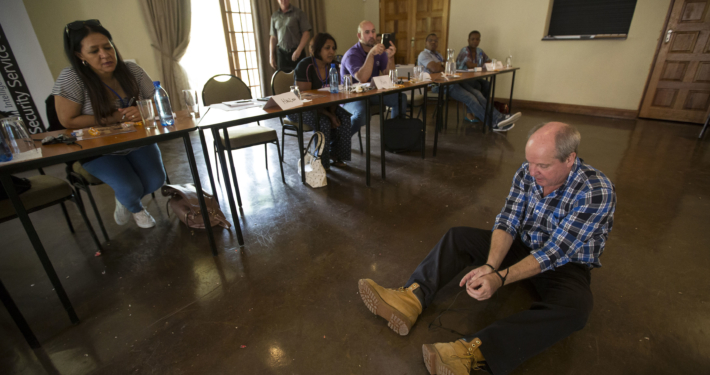
Understanding the risks involved in reporting from challenging regions is crucial. Let’s explore why this training is vital for your journalists.
Ensuring Journalist Safety in Africa
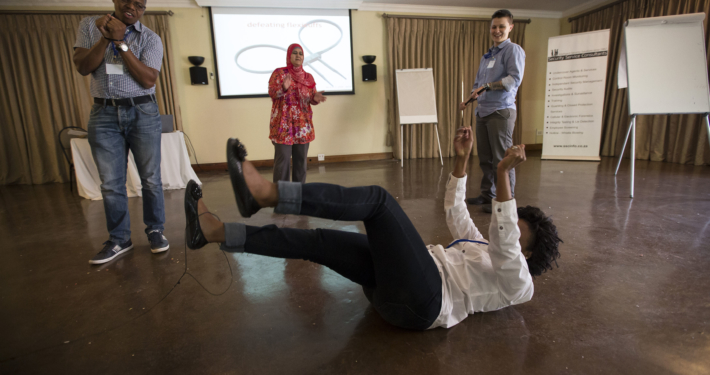
Your team’s safety is not just important; it’s essential. Journalists in Africa face unique challenges: political unrest, civil conflicts and unpredictable environments. A lack of preparation can lead to dangerous situations. Hostile Environment Awareness Training (HEAT) empowers journalists with skills to assess risks and respond effectively. They learn to identify threats, move safely and make informed decisions in high-pressure situations. This preparation equips them to work confidently, knowing they can handle emergencies.
Understanding Risk in Conflict Zones
Conflict zones present unpredictable threats. Understanding these risks is key to journalist safety. HEAT provides real-world scenarios, helping journalists anticipate challenges and act decisively. Whether it’s navigating through a protest or dealing with a sudden change in local dynamics, this training ensures your team knows what to expect. By grasping the potential dangers, journalists can minimise risks and focus on their reporting goals.
Enhancing Duty of Care for Media
Your duty of care as a media leader extends beyond sending journalists into the field; it’s about ensuring their safe return. HEAT courses align with industry standards, showing your commitment to your team’s well-being. A well-trained journalist is not only more effective but also more secure. By investing in their safety, you protect your organisation’s reputation and demonstrate a responsible approach to journalism.
Key Components of HEAT
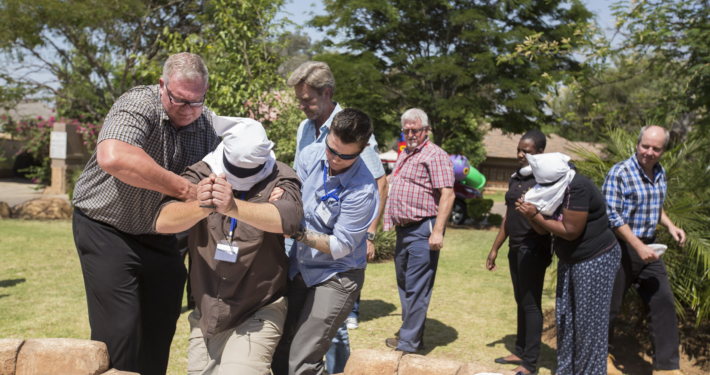
Now that we’ve established the importance of HEAT, let’s look at its key components.
Situational Awareness and Risk Assessment
Being aware of one’s surroundings is a critical skill. Situational awareness allows journalists to detect potential threats early. HEAT teaches how to spot unusual behaviour, assess environments and predict possible dangers. Risk assessment goes hand in hand with situational awareness. Journalists learn to evaluate the likelihood of risks and make informed decisions. This proactive approach can prevent incidents and ensure safe reporting.
Trauma First Aid and Digital Security
In hostile environments, medical emergencies can arise unexpectedly. Knowing basic trauma first aid is invaluable. HEAT covers essential medical skills, such as treating wounds and managing shock. Additionally, digital security is crucial. Journalists must protect sensitive information from cyber threats. HEAT equips them with tools to secure communications and data, ensuring their work remains confidential and safe from breaches.
Kidnap and Ransom Awareness
The threat of kidnapping is a harsh reality in some regions. Understanding how to avoid and respond to such situations is vital. HEAT provides strategies for prevention and survival. Journalists learn about local kidnapping trends, how to behave if captured, and how to increase the chances of a safe release. This knowledge is empowering, enabling journalists to work without fear and focus on their reporting.
Benefits of Zero Foundation Africa’s HEAT Course
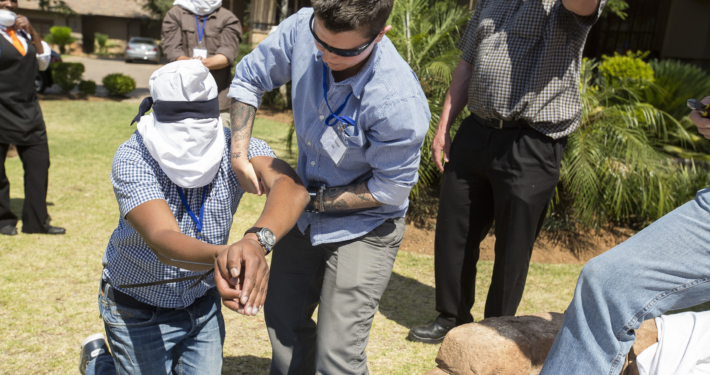
Zero Foundation Africa’s HEAT course offers distinct advantages that make it the preferred choice for media teams.
Insurer-Recognised Certification and Compliance
When you choose Zero Foundation Africa, you’re opting for a course that meets high industry standards. Our HEAT course is insurer-recognised, adding an extra layer of trust and credibility. This recognition ensures compliance with industry requirements, giving you peace of mind that your team is well-prepared.
Comprehensive Pre-Deployment Briefing
Preparation is the cornerstone of safety. Our HEAT course includes a thorough pre-deployment briefing. This session covers region-specific risks, cultural considerations and current security situations. Journalists receive the information needed to navigate effectively and maintain safety. Being well-informed is the first step to successful reporting.
Pan-African Delivery and Support Services
Our reach spans across Africa, providing consistent support wherever your team is deployed. With Zero Foundation Africa, you’re backed by a network that understands the continent’s complexities. This pan-African delivery ensures that no matter where the assignment takes your journalists, they have the support they need. The longer you wait to invest in their safety, the greater the risk. Equip your team with the skills to return safely and continue delivering impactful stories.