Enhanced due diligence in Africa demands more than standard checks. Hidden risks lurk beneath corporate structures, local politics, and regulatory gaps across the continent. You need a precise, continent-wide approach that uncovers these threats before they impact your operations. Zero Foundation Africa’s EDD checks Africa services deliver timely, court-ready insights to protect your interests and ensure full FCPA and UK Bribery Act compliance.
Key EDD Checks for Africa
Enhanced due diligence in Africa is critical in navigating the continent’s complex business environment. Understanding the specific checks involved can safeguard your operations from hidden threats.
UBO Identification and Corporate Mapping
Knowing the ultimate beneficial owner (UBO) offers clarity on who truly controls a company. This check reveals hidden stakeholders that could pose a risk. By mapping corporate structures, you see the full picture of ownership, uncovering potential conflicts of interest. This is crucial for ensuring that you align with FCPA compliance Africa needs.
Corporate mapping goes beyond just identifying names. It involves piecing together the web of connections between entities. This insight helps prevent unwelcome surprises, such as undisclosed partnerships or illegal dealings. A well-mapped corporate structure offers a layer of security, reducing the chance of dealing with sanctioned individuals.
Director and Shareholder Profiling
Profiling directors and shareholders gives you a deeper understanding of those at the helm of potential partners. This process involves checking backgrounds for any adverse media coverage or past legal issues. Such insights are key to avoiding partnerships with entities that might tarnish your reputation.
A thorough profile highlights the decision-makers’ past actions and affiliations. This helps identify any political exposure or business practices that contradict your company’s values. Being informed enables you to make prudent decisions about who controls your potential business partners.
PEP and Sanctions Screening
Screening for politically exposed persons (PEPs) and sanctioned individuals is non-negotiable in today’s regulatory climate. It ensures you aren’t unknowingly associating with high-risk individuals. Given the dynamic nature of politics in Africa, constant vigilance is necessary.
Staying current with sanctions lists helps prevent legal troubles and maintains compliance with international regulations. This check acts as a safeguard, protecting your business from engaging with individuals or entities that could lead to substantial fines or legal actions.
On-the-Ground Verification Techniques
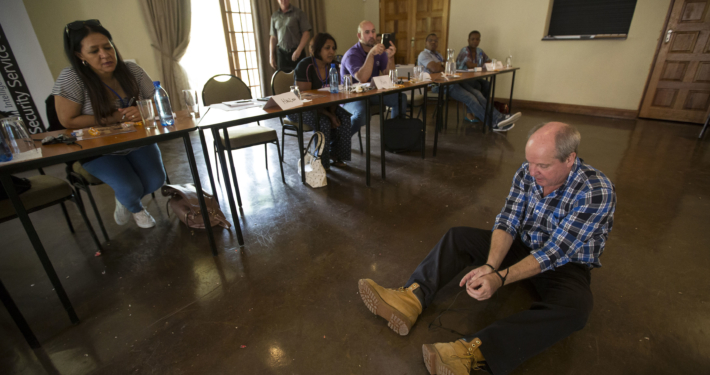
Effective due diligence in Africa involves more than desktop research. On-the-ground techniques provide a reality check, confirming or dispelling what’s on paper.
Site Visits and Neighbourhood Enquiries
Seeing is believing. Site visits offer firsthand verification of operations and infrastructure. This step uncovers any discrepancies between reported and actual conditions. It’s an opportunity to assess operational compliance and business claims.
Neighbourhood enquiries add another layer of insight. Local perspectives often reveal hidden factors, such as unreported environmental impacts or community grievances. These enquiries provide context that can be pivotal in decision-making.
Local Language Media Monitoring
Understanding what’s being said about a company or its leaders in local languages offers a true sense of their reputation. Local language media monitoring captures nuances often missed by standard translations, providing a clearer understanding of public perception.
Media monitoring helps identify any adverse media Africa-wide that might affect your business. This real-time information ensures you’re not blindsided by controversies or reputational risks that could derail your operations.
Agent and Distributor Vetting
Vetting agents and distributors is essential to maintain your supply chain’s integrity. This process involves background checks and performance evaluations to ensure alignment with your standards and values. It helps mitigate third-party risk Africa presents in business dealings.
Identifying trustworthy partners means fewer operational disruptions and fewer compliance headaches. Knowing who represents your brand can prevent unintended associations with unethical practices or unreliable partners.
Risk Assessment and Compliance

A robust risk assessment process is the cornerstone of effective compliance, safeguarding your business from unforeseen threats.
ESG and Community-Impact Assessments
Environmental, social, and governance (ESG) assessments are no longer optional. They are crucial for maintaining a positive community presence and ensuring sustainable operations. These assessments evaluate how your business impacts the local environment and communities.
Understanding community impact helps tailor your operations to local needs, reducing the risk of conflicts and enhancing your brand image. It’s about doing good while doing business, ensuring long-term success and compliance.
Litigation and Regulatory Searches
Conducting thorough litigation and regulatory searches reveals any past legal issues that might affect your partnership. This check uncovers lawsuits, fines, or regulatory breaches that pose risks to your operations. It’s a proactive measure to prevent future liabilities.
These searches ensure that you are aware of potential red flags, giving you the chance to address them before they escalate. This diligence is vital for maintaining a clean legal record and avoiding costly disputes.
Political and State-Capture Risk Mapping
Understanding the political landscape is essential for successful operations in Africa. Political and state-capture risk mapping identifies potential threats from political instability or undue government influence. This insight helps you navigate the complex political terrain with confidence.
Mapping these risks allows you to strategise effectively, ensuring that your business decisions account for potential political shifts. It’s about staying one step ahead, protecting your interests in a constantly changing environment.
Frequently Asked Questions
What is enhanced due diligence in Africa?
Enhanced due diligence in Africa involves comprehensive checks to identify and mitigate risks specific to the continent’s complex business environment. It includes identifying beneficial owners, profiling directors, and screening for PEPs and sanctions.
Why are site visits important in due diligence?
Site visits allow firsthand verification of a company’s operations and claims. They provide insight into actual conditions, revealing any discrepancies and offering a reality check beyond what’s on paper.
How do ESG assessments benefit my business?
ESG assessments ensure your business practices align with environmental and community standards. They help maintain a positive local presence and ensure sustainable operations, essential for long-term success and compliance.
What are the risks of not conducting political risk mapping?
Failing to map political risks can expose your business to instability, undue influence, or unexpected policy changes. It’s crucial for navigating Africa’s complex political landscape and protecting your operations.
How does local language media monitoring work?
Local language media monitoring involves tracking media mentions in native languages. It provides insights into public perception and uncovers any adverse media that might impact your business reputation.