Posts

Most due diligence checks miss hidden risks lurking beneath the surface in Africa’s complex markets. You need more than basic background screening to avoid costly surprises. Our enhanced due diligence Africa service exposes these unseen threats with precise corporate intelligence and rigorous verification, ensuring your decisions stand on solid ground. Read on to understand how Zero Foundation Africa uncovers risks before you commit.

Understanding Enhanced Due Diligence

Enhanced due diligence (EDD) acts as your shield against unforeseen risks in Africa. It’s crucial for businesses operating in diverse and intricate markets. Without it, you can face unexpected challenges that could jeopardise your operations.

Importance of EDD in Africa

EDD is vital for companies planning to invest or partner across Africa. The region’s unique business landscape requires in-depth analysis. With EDD, you gain insights into potential partners or investments, uncovering details that basic checks might miss. This process can prevent costly mistakes, ensuring your business activities align with legal and ethical standards. EDD not only helps protect your investments, but it also supports compliance with anti-corruption laws, such as the UK Bribery Act. By placing EDD at the heart of your strategy, you can focus on growth without unexpected setbacks.

Identifying Hidden Risks

The key to successful operations in Africa is recognising hidden risks early. EDD involves thorough investigations that reveal unseen threats. It includes adverse media screening, which helps detect negative press about potential partners. This in-depth review covers financial health, ethical practices, and historical performance. By understanding these aspects, you avoid partnerships that could harm your reputation. The proactive approach ensures that your business relationships are built on trust and transparency. This knowledge empowers you to make informed decisions with confidence.

Ensuring Compliance Across Borders

Operating in Africa means navigating different legal systems and regulations. EDD supports cross-border compliance, ensuring your business meets local and international standards. This includes FCPA compliance, which is crucial for avoiding penalties. EDD examines a partner’s adherence to laws, reducing your exposure to legal risks. It’s about aligning your operations with the regulatory framework of each country. By integrating EDD into your strategy, you maintain a strong compliance posture. This approach not only protects your business but also enhances its reputation in the marketplace.

Zero Foundation Africa’s Methodology
Zero Foundation Africa employs a robust methodology to deliver precise intelligence. Let’s explore the components that make our process effective.

Comprehensive HUMINT and Analytics

Our methodology begins with human intelligence (HUMINT) and analytics. We gather information from reliable sources, providing a clear picture of potential risks. This includes interviews, background checks, and local insights. Our analytics process then evaluates this data, identifying patterns and anomalies. This dual approach ensures a comprehensive understanding of the situation. By combining human expertise with data analysis, we deliver actionable intelligence that supports your decision-making process.

Triangulating Beneficial Ownership

Knowing who truly controls a business is crucial. We use triangulation methods to uncover beneficial ownership. This involves cross-referencing data from multiple sources to verify ownership details. Understanding who holds influence helps you assess potential conflicts of interest. This clarity prevents surprises and supports compliance efforts. By identifying beneficial ownership, you gain a strategic advantage in negotiations and partnerships. It ensures transparency, reducing risks associated with hidden stakeholders.

Litigation and Regulatory Checks

Litigation and regulatory checks are essential to understand a company’s legal standing. Our team examines past and current legal issues that might affect your partnership. This includes reviewing court records, regulatory filings, and compliance histories. The goal is to identify red flags that could impact your business. By understanding a company’s legal landscape, you avoid entanglements that could harm your operations. This thorough evaluation supports informed decisions, protecting your interests.

Driving Successful Partnerships

To drive successful partnerships, you need effective risk management and clear communication strategies.

Effective Risk Management Strategies

Risk management is about anticipating challenges before they arise. Our strategies focus on identifying and mitigating potential threats. This involves regular monitoring and assessment of your partners and investments. By staying proactive, you can adapt to changes and avoid disruptions. These strategies ensure that your operations remain resilient, even in uncertain environments. With a robust risk management framework, your partnerships are well-protected.

Confidential Enquiries and Reporting

Conducting confidential enquiries is a key part of our service. We discreetly gather information, ensuring privacy and accuracy. Our reporting is clear and actionable, providing you with the insights needed to make confident decisions. This process involves detailed analysis and structured feedback. By delivering precise reports, we help you understand the full picture. This clarity supports strategic planning and strengthens your business relationships.

Navigating Africa’s Corporate Landscape

Africa’s corporate landscape is diverse and complex. Navigating it requires local expertise and informed strategies. We offer guidance on cultural nuances, regulatory requirements, and business practices. This support helps you adapt and succeed in various markets. By understanding the local context, you position your business for growth. Our expertise acts as a compass, guiding you through the complexities of operating in Africa. With the right tools and insights, you can confidently expand your presence across the continent.

Frequently Asked Questions

What is enhanced due diligence?

Enhanced due diligence is a thorough investigation process used to uncover hidden risks and verify information about business partners or investments. It involves a detailed examination of financial records, ownership structures, and legal compliance.

Why is EDD important in Africa?

EDD is crucial in Africa due to the continent’s complex business environment. It helps identify potential risks, ensuring compliance with local and international laws, such as the UK Bribery Act. EDD provides a strategic advantage by uncovering information that basic checks might miss.

How does Zero Foundation Africa conduct EDD?

Zero Foundation Africa uses a combination of human intelligence and data analytics to conduct EDD. This approach includes interviews, background checks, beneficial ownership triangulation, and litigation reviews. Our methodology ensures comprehensive risk assessment and informed decision-making.

What are the benefits of identifying beneficial ownership?

Identifying beneficial ownership reveals who truly controls a business, helping assess potential conflicts of interest. This transparency supports compliance efforts and reduces risks associated with hidden stakeholders. It provides a strategic advantage in negotiations and partnerships.

How can businesses navigate Africa’s corporate landscape?

Businesses can navigate Africa’s corporate landscape by leveraging local expertise and informed strategies. Understanding cultural nuances, regulatory requirements, and business practices is crucial. By partnering with experts like Zero Foundation Africa, businesses gain the insights needed to succeed.


Local intelligence is not a luxury but a necessity for compliance and security across Africa. Without accurate on-the-ground insights, your decisions risk exposure to regulatory fines, operational failures, and reputational damage. This article reveals how Zero Foundation Africa’s Pan-African investigations and validated HUMINT and OSINT sources provide the clarity your organisation needs to reduce risk and respond swiftly. Read on to see why local intelligence is your decisive advantage in Africa.

Importance of Local Intelligence

Local intelligence plays a critical role in making informed decisions in Africa. It offers the insights needed to manage risks effectively.

Reducing Operational and Legal Risks

Accurate local intelligence helps you navigate complex regulatory environments. With on-the-ground insights, you can avoid costly mistakes. Having access to timely information lets you respond quickly to challenges. This agility protects your operations and maintains your reputation.

Moreover, understanding local contexts reduces exposure to legal issues. You can anticipate potential problems and address them proactively. This foresight saves time and resources, safeguarding your organisation’s future.

Enhancing Compliance with FCPA and ABC

Compliance with international regulations is crucial. Local intelligence provides the data you need to meet these standards. By understanding local customs and practices, you stay ahead of compliance challenges.

Access to reliable local information helps you avoid fines and legal troubles. It ensures your operations align with the Foreign Corrupt Practices Act (FCPA) and anti-bribery and corruption (ABC) laws. This compliance strengthens your global reputation and secures your business interests.

Core Services by Zero Foundation Africa

Zero Foundation Africa offers a comprehensive range of services that leverage local intelligence for effective risk management.

Enhanced Due Diligence and Asset Tracing

Enhanced due diligence is essential for making informed investment decisions. Zero Foundation Africa provides thorough background checks and risk assessments. This service uncovers hidden risks and ensures you have a complete picture of potential partners.

Asset tracing is another critical service. It helps you identify and recover assets across Africa. With detailed investigations, you can protect your financial interests and mitigate potential losses.

Security Management and Counter-Surveillance Consultancy

Security management consultancy provides tailored strategies to protect your organisation. With expert advice, you can implement effective security measures and prevent potential threats.

Counter-surveillance consultancy offers protection against information leaks. By identifying vulnerabilities, this service helps you secure sensitive communications. You can operate confidently, knowing your information is safe.

Benefits of Pan-African Investigations

Pan-African investigations offer a comprehensive view of the risks and opportunities in Africa.

Source Validation and HUMINT/OSINT Integration

Reliable information is key to effective decision-making. Pan-African investigations integrate human intelligence (HUMINT) and open-source intelligence (OSINT) for accurate insights. This integration ensures you have a complete and reliable data set to guide your decisions.

Source validation is crucial for verifying information accuracy. By confirming the credibility of data sources, you avoid misinformation and make well-informed decisions.

Effective Third-Party Risk Management and Sanctions Screening

Managing third-party risks is vital for maintaining business integrity. Pan-African investigations offer robust risk management strategies. These strategies help you assess potential partners and avoid partnerships that could harm your reputation.

Sanctions screening is another important aspect. By identifying sanctioned entities, you can avoid legal trouble and protect your business. This proactive approach ensures compliance with international laws and secures your operations.

Frequently Asked Questions

What is HUMINT and OSINT integration?

HUMINT (Human Intelligence) involves gathering information from human sources, while OSINT (Open Source Intelligence) uses publicly available data. Integration of these methods provides comprehensive insights for decision-making.

Why is local intelligence important for FCPA compliance?

Local intelligence helps you understand regional practices and anticipate compliance challenges. It ensures adherence to the Foreign Corrupt Practices Act, avoiding fines and protecting your reputation.

How do Pan-African investigations support risk management?

Pan-African investigations provide thorough risk assessments and source validation. This approach helps you manage third-party risks and comply with international regulations, safeguarding your operations.

Most due diligence checks in Africa miss critical, concealed risks until it’s too late. Your counterparties may hide complex beneficial ownership structures or undisclosed political ties that expose you to sanctions or compliance breaches. Enhanced due diligence Africa uncovers these hidden threats through rigorous checks tailored to the continent’s complexities. In this post, you’ll learn which precise investigations reveal critical vulnerabilities and how to safeguard your operations with Zero Foundation Africa’s expert intelligence.

Understanding Enhanced Due Diligence in Africa

Enhanced due diligence (EDD) in Africa is crucial for uncovering hidden risks and ensuring compliance. Let’s delve into why it’s vital in this context.

Importance of EDD in African Markets

EDD plays a critical role in navigating the unique challenges of African markets. Many businesses face complex regulatory environments. With EDD, you gain insights into hidden risks that can affect your operations. This understanding can protect your business from unexpected legal or financial hurdles.

Moreover, EDD provides a deeper look at potential partners. It goes beyond surface-level checks to reveal underlying issues that might not be immediately visible. This thorough approach helps you make informed decisions, keeping your business safe from hidden threats.

Key Considerations for Compliance Officers

For compliance officers, understanding local regulations is essential. Each African country has its own set of rules that businesses must follow. EDD helps navigate these regulations, ensuring that your business adheres to local laws and standards.

Another key consideration is understanding the political landscape. Political ties can influence business operations in Africa. EDD provides insights into these connections, helping you avoid potential risks. By understanding these dynamics, compliance officers can better manage and mitigate potential threats.

Role of Corporate Intelligence in Risk Assessment

Corporate intelligence is a vital tool in assessing risk. It involves gathering and analysing data to uncover hidden threats. This intelligence is essential for understanding the complex environments in which businesses operate in Africa.

By leveraging corporate intelligence, businesses can identify risks before they become problems. This proactive approach allows you to take corrective action, minimizing potential damage. With the right intelligence, you can stay ahead of risks and protect your business interests.

Critical EDD Checks to Uncover Hidden Risks

Effective EDD checks reveal risks that are often concealed. These checks provide the insights needed to protect your business from hidden threats.

Beneficial Ownership and Control Mapping

Understanding who controls a company is crucial. Beneficial ownership mapping identifies the true owners of an entity. This process reveals hidden relationships that could present risks.

For example, a company might appear legitimate but be controlled by politically exposed persons (PEPs). Identifying these connections is vital to avoid potential legal and reputational damage. With beneficial ownership mapping, you gain a clear picture of who you’re dealing with.

Sanctions and PEP Screening in Africa

Sanctions screening is essential to avoid dealing with restricted individuals or entities. In Africa, this process involves checking for connections to PEPs. These individuals, due to their influence, can pose significant risks.

Screening helps you identify and avoid these risks. By understanding who is on sanctions lists, you can steer clear of potential legal issues. This proactive approach ensures compliance and protects your business from fines and penalties.

Conducting Discreet Human-Source Enquiries

Human-source enquiries involve gathering information directly from people. These discreet checks provide insights that other methods might miss. By speaking with local sources, you can uncover hidden risks and gain a deeper understanding of your business environment.

These enquiries are particularly valuable in Africa, where local knowledge is key. By tapping into this resource, you gain information that can guide your decision-making. This human intelligence is a crucial component of a robust EDD process.

Engaging with Zero Foundation Africa

Working with Zero Foundation Africa ensures comprehensive protection against hidden risks. Let’s explore how their services can meet your compliance needs.

Confidential EDD Scoping and Mobilisation

Zero Foundation Africa offers confidential EDD services tailored to your needs. They begin with a thorough scoping process to understand your specific requirements. This ensures that the EDD checks conducted are relevant and effective.

Their team then mobilises resources quickly, providing timely and actionable intelligence. This rapid response is crucial in high-risk environments, where delays can lead to significant exposure. With their expert support, you can address risks before they escalate.

Court-Ready Reporting and Risk Management

Zero Foundation Africa provides court-ready reports, giving you confidence in their findings. These detailed reports offer clear insights, helping you make informed decisions. They also support your risk management efforts by identifying potential threats early.

Their comprehensive approach ensures that you have the information needed to protect your business. With court-ready reporting, you can trust that your EDD process is thorough and reliable.

Tailored Proposals for Compliance Needs

Each business has unique compliance needs. Zero Foundation Africa recognises this and offers tailored proposals to address specific challenges. They work closely with you to develop a customised plan that meets your requirements.

This personalised approach ensures that your business stays compliant with local and international regulations. With their support, you can navigate the complex compliance landscape with confidence.

Frequently Asked Questions

What is Enhanced Due Diligence?

Enhanced Due Diligence (EDD) is an in-depth investigation process that identifies hidden risks in business partnerships or transactions. It goes beyond standard checks to provide comprehensive insights into potential threats.

Why is EDD important in Africa?

EDD is crucial in Africa due to the continent’s complex regulatory environments and political landscapes. It helps businesses navigate these challenges, ensuring compliance and protecting against hidden risks.

How does Zero Foundation Africa conduct EDD checks?

Zero Foundation Africa conducts EDD checks through a variety of methods, including beneficial ownership mapping, sanctions screening, and human-source enquiries. Their comprehensive approach ensures thorough protection against potential threats.

What are the benefits of working with Zero Foundation Africa?

Working with Zero Foundation Africa provides you with expert intelligence services tailored to your needs. Their court-ready reporting, rapid mobilisation, and tailored proposals ensure comprehensive protection for your business.

How can corporate intelligence aid in risk management?

Corporate intelligence aids in risk management by providing insights into potential threats. It helps businesses identify risks before they become problems, allowing for proactive decision-making and protection against hidden dangers.

Corporate security management in Africa demands controls tailored to the continent’s unique threat landscape. Generic solutions waste resources and leave gaps that expose your assets and reputation. You need localised security controls backed by Pan-African intelligence and board-certified expertise to manage risks effectively. This guide outlines how Zero Foundation Africa’s proven approach closes those gaps, ensuring compliance and resilience in complex environments across all 55 countries.

Understanding African Security Challenges

In Africa, every region presents its own set of security challenges. Understanding these is key to protecting your assets effectively.

Localised Threat Landscapes

Africa’s diverse environments mean threats vary significantly. Each country has its own political dynamics, economic conditions, and social factors that influence security. For example, urban areas may face higher risks of theft and cybercrime, while rural regions might encounter different challenges. Knowing these distinctions helps in tailoring security measures that are both effective and efficient. Localised security controls are crucial to address these unique issues and ensure that resources are not wasted on irrelevant threats.

Security Risk Management Strategies

Managing security risks in Africa requires a strategic approach. The first step is conducting a thorough security risk management analysis. This involves identifying potential threats and assessing their impact. Developing a strategy involves prioritising risks and implementing control measures accordingly. Use predictive tools to anticipate future threats. Regular reviews and updates to the strategy ensure it stays relevant as situations change. Ultimately, a well-executed strategy not only protects but also enhances business resilience.

Designing Effective Security Controls

Designing security measures that work for Africa requires a blend of local insight and global standards.

Proportionate Control Measures

Implementing control measures that are proportionate to the threat is essential. Overestimating threats can lead to unnecessary expenses, while underestimating them can leave your assets vulnerable. Start by evaluating the specific threats to your operations, then design controls that directly address these issues. For instance, enhanced due diligence might be necessary in high-risk areas to prevent fraud and compliance issues. The key is to ensure that every measure is justified by the threat it mitigates.

Board-Certified Security Management

Relying on board-certified expertise ensures that your security approach is both comprehensive and compliant with international standards. This guarantees that best practices are followed, providing peace of mind and operational integrity. Board-certified professionals bring a wealth of knowledge in designing and implementing security systems that integrate seamlessly with existing operations. Their expertise can transform your security from a reactive stance to a proactive strategy, anticipating and neutralising threats before they materialise.

Advanced Security Services in Africa

For more specialised needs, advanced security services offer targeted solutions that go beyond basic measures.

Technical Surveillance and Counter-Surveillance

Technical surveillance services are vital in high-stakes environments. These services include audio and video monitoring to gather intelligence for legal investigations. Counter-surveillance, such as TSCM, protects against unauthorised monitoring, ensuring your operations remain confidential. These solutions are essential in environments where information security is paramount, and the risks of espionage or data leaks are high. By using these advanced tools, you can safeguard sensitive information and maintain a competitive edge.

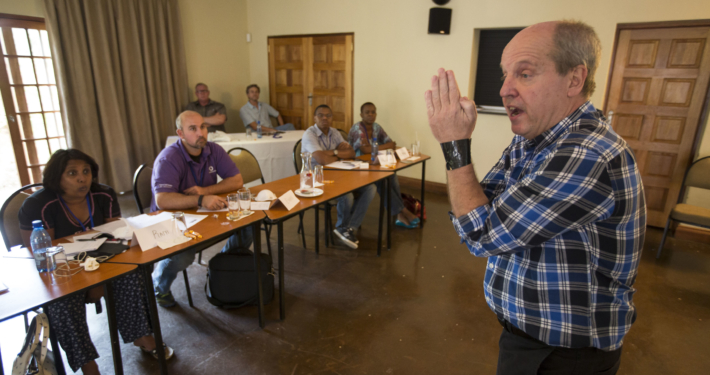
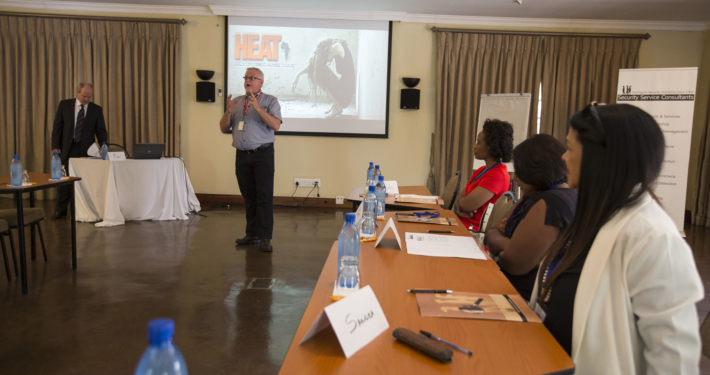
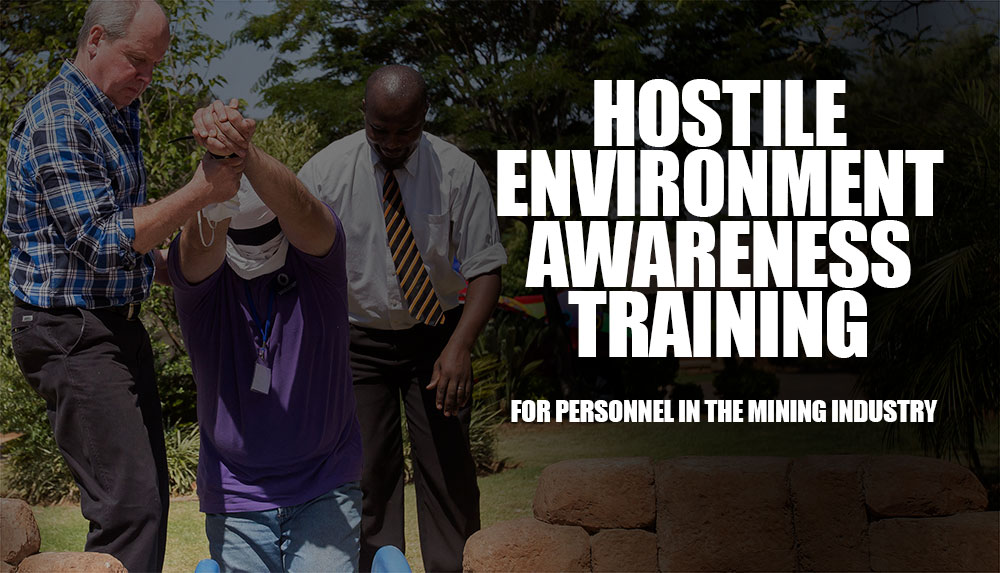
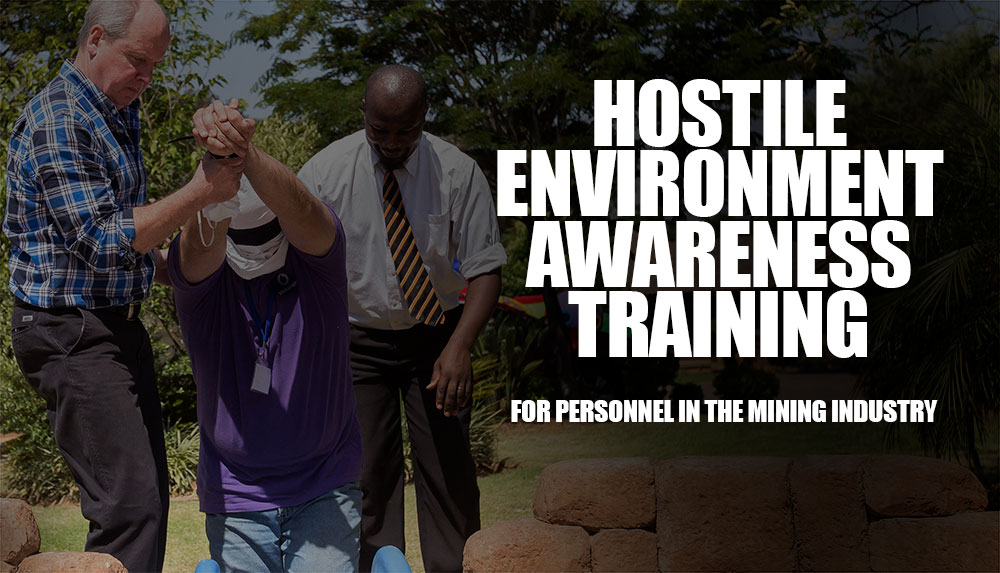
Hostile Environment Awareness Training

In regions with elevated risks, Hostile Environment Awareness Training (H.E.A.T.) prepares your team for the unexpected. This training equips personnel with the skills to handle crisis situations, enhancing both personal safety and operational continuity. Participants learn to navigate challenging environments, respond to threats, and ensure the safety of their colleagues. H.E.A.T. is an invaluable resource for teams operating in non-permissive environments, empowering them to act decisively under pressure and ensuring that they can continue their mission safely and effectively.

Frequently Asked Questions

What is the importance of localised security controls in Africa?

Localised security controls are crucial as they address specific threats unique to each region, ensuring resources are used efficiently and vulnerabilities are minimized.

How does board-certified expertise benefit security management?

Board-certified experts adhere to international standards, providing comprehensive and compliant security solutions that enhance operational integrity and anticipate potential threats.

Why is technical surveillance important for businesses?

Technical surveillance services gather crucial intelligence for legal investigations, while counter-surveillance protects sensitive information from unauthorised access and espionage.

What are the key components of Hostile Environment Awareness Training?

This training includes crisis response, threat navigation, and operational continuity skills, ensuring personnel can safely and effectively manage risks in non-permissive environments.

How do advanced security services support legal investigations?

They provide audio and video monitoring tools that collect evidence, ensuring that investigations are thorough and that findings are actionable in legal contexts.

In African transactions, surface-level checks no longer cut it. You face complex risks hidden beneath layers of local politics, regulatory shifts, and opaque ownership structures. Enhanced due diligence Africa offers the clarity you need—backed by proven local intelligence and a Pan-African approach. This post explains why thorough scrutiny is non-negotiable and how Zero Foundation Africa delivers court-defensible insights that safeguard your deals.

Understanding Enhanced Due Diligence

Enhanced due diligence is a necessity in navigating the complexities of African transactions. It provides a deeper understanding of the risks involved and helps in making informed decisions that protect your investments.

Importance in African Transactions

African transactions require more than just basic checks. You need to uncover hidden risks that could impact your business. Enhanced due diligence helps you see the full picture, ensuring you’re aware of any potential pitfalls. This process involves digging deep into the backgrounds of partners, stakeholders, and any entities you’re dealing with. By understanding local politics and economic conditions, you can anticipate challenges before they arise.

Identifying Third-Party Risks

Third-party interactions are a significant part of doing business in Africa, but they come with their share of risks. Enhanced due diligence identifies these risks, ensuring you don’t fall victim to unexpected complications. It involves assessing the reputations and past dealings of third parties, helping you avoid partnerships that could harm your business. This scrutiny is crucial in preventing issues that could lead to legal troubles or financial loss.

Ensuring Compliance Across Jurisdictions

Compliance isn’t just about following rules; it’s about protecting your company’s reputation and interests. Enhanced due diligence ensures you meet all local and international regulations, such as the FCPA and UK Bribery Act. This process involves a comprehensive review of all legal requirements across different jurisdictions, ensuring you stay on the right side of the law. Compliance checks not only safeguard your operations but also enhance your credibility in the market.

Zero Foundation Africa’s Methodology

Zero Foundation Africa utilizes a comprehensive approach to provide you with the intelligence needed for safe and successful transactions in Africa. Our methodology is tailored to uncover and mitigate risks effectively.

Comprehensive Intelligence Gathering

Our intelligence gathering is thorough and detailed. We gather information from a variety of sources to ensure you have all the facts. This involves collecting data on local markets, political climates, and economic conditions. By having a complete view of the environment, you can make informed decisions that align with your strategic goals.

Multi-Source Verification Techniques

Verification is key to ensuring the reliability of information. We use multiple sources to confirm the accuracy of the data we provide. This includes cross-checking information with local experts and using advanced verification tools. Our approach ensures you can trust the insights you receive, helping you avoid costly mistakes.

Compliance Mapping and Assurance

We map out compliance requirements across different regions to keep you informed. Our team ensures that all aspects of your transaction meet local and international standards. By aligning your operations with legal requirements, you minimize risk and enhance your business’s integrity. Our compliance assurance gives you peace of mind, knowing that your transactions are secure.

Engaging Zero Foundation Africa

Partnering with Zero Foundation Africa gives you access to unparalleled local intelligence and expertise. We’re here to support you every step of the way in your African transactions.

Benefits of Local Intelligence

Local intelligence is your edge in understanding the African market. Our team’s deep-rooted connections and insights ensure you’re well-equipped to handle any challenges. By leveraging our local expertise, you can identify opportunities and mitigate risks effectively. This advantage sets you apart from competitors who rely on surface-level information.

Confidential Scoping Calls

We offer confidential scoping calls to understand your specific needs and tailor our services accordingly. These calls allow us to assess the unique aspects of your transaction and provide targeted solutions. Engaging with us through these discussions ensures you receive personalized support, enhancing the success of your ventures.

Deliverables and Turnaround Time

Our deliverables are timely and comprehensive, ensuring you have the information when you need it. We understand that time is of the essence, and our prompt service reflects this urgency. You can expect detailed reports and actionable insights without delay, enabling you to proceed with confidence in your transactions.

Frequently Asked Questions

What is enhanced due diligence in African transactions?

Enhanced due diligence involves in-depth investigations to uncover hidden risks in African transactions. It ensures you are aware of all potential pitfalls and are compliant with local and international laws.

Why is third-party risk identification important?

Identifying third-party risks helps prevent unexpected complications that could harm your business. It involves assessing the reputations and past dealings of potential partners, safeguarding your investments.

How does Zero Foundation Africa ensure compliance?

We map out compliance requirements and verify them across different regions. Our team ensures that your transactions meet all local and international standards, minimizing risk and enhancing your business’s integrity.

Local threat intelligence Africa is often overlooked in corporate security management Africa. Many firms rely on generic controls that miss crucial regional risks. Your operations demand tailored strategies that address specific threats present across the continent. This post outlines how to build effective security controls aligned with Africa’s unique risk environment and regulatory demands.

Tailoring Security Controls in Africa

To protect your business in Africa, you need a tailored approach to security management. It’s about knowing the specific risks and adjusting your strategies accordingly. Here’s how you can focus on local threats and craft robust security frameworks.

Understanding Local Threats

Local threats in Africa can vary greatly from one region to another. It’s critical to identify these unique risks so you can address them effectively. Consider the political climate, economic conditions, and social structures. By understanding these factors, you can predict potential threats and prepare accordingly. This insight helps you safeguard your assets and ensure your operations run smoothly.

Designing Effective Security Frameworks

After identifying the threats, it’s time to design a security framework that meets these challenges head-on. Start by evaluating your current security measures. Are they sufficient for the risks you’ve identified? If not, make necessary adjustments. Develop protocols that are flexible yet strong enough to handle unexpected situations. This framework should be a living document, regularly updated to reflect the changing threat landscape.

Engaging Expert Security Consultancy

When it comes to implementing these frameworks, consulting with experts can be invaluable. They bring years of experience and local knowledge to the table. An expert can guide you through complex regulatory environments and offer practical solutions tailored to your needs. This partnership ensures your security measures are both comprehensive and compliant, offering peace of mind as you focus on your core business.

Intelligence-Led Security Management

Your security strategy should be driven by intelligence. By integrating predictive insights, you can stay ahead of potential threats and maintain a proactive stance.

Integrating Predictive Intelligence

Predictive intelligence empowers you to anticipate future risks. By analysing data trends, you can make informed decisions that protect your interests. This approach not only shields you from potential threats but also enhances your operational efficiency. Staying one step ahead ensures you’re always prepared for what’s next.

Enhanced Due Diligence in Africa

In Africa, enhanced due diligence is vital. It involves thorough background checks and continuous monitoring to mitigate risks. This process helps you verify the integrity of partners and vendors, ensuring they align with your standards. With enhanced due diligence, you protect your reputation and make informed decisions that support your business goals.

Compliance and Governance Strategies

Legal compliance is non-negotiable. Governance strategies tailored for Africa can help you navigate the complex regulatory landscape. Ensure you are familiar with local laws and international standards. Implementing strong governance frameworks not only keeps you compliant but also builds trust with stakeholders, reinforcing your position in the market.

Building Confidence in Security Solutions

Confidence in your security measures comes from knowing they are comprehensive and well-implemented. Focus on countermeasures, training, and travel policies to build a robust security posture.

Technical Surveillance Countermeasures

Technical surveillance countermeasures protect you from covert monitoring. Regular sweeps and checks can prevent information leaks and secure sensitive communications. This proactive stance ensures your business conversations remain confidential, protecting your strategic interests.

Hostile Environment Awareness Training

Hostile environment awareness training prepares your team for challenging situations. Through realistic simulations, they gain the skills needed to navigate and survive difficult environments. This training is essential for operations in high-risk areas, providing your team with the confidence and capability to handle unexpected events.

Travel Security Policy Design for Africa

Travel security policies are crucial for business operations in Africa. These policies should address the unique risks associated with travel across the continent. Ensure they are comprehensive and include protocols for emergency situations. A well-designed policy not only protects your employees but also supports your duty-of-care obligations.

Frequently Asked Questions

What is the importance of local threat intelligence in Africa?
Local threat intelligence is crucial because it addresses specific regional risks that generic controls may overlook. By understanding local threats, businesses can tailor their security measures to be more effective.

How can businesses ensure compliance with African regulations?
To ensure compliance, businesses should implement governance strategies that align with both local laws and international standards. Regular audits and expert consultations can also help maintain compliance.

Why is enhanced due diligence important in Africa?
Enhanced due diligence is important because it helps verify the integrity of partners and vendors, reducing the risk of fraud and corruption. It ensures that business relationships are built on trust and compliance.

What are the benefits of technical surveillance countermeasures?
Technical surveillance countermeasures prevent covert monitoring and protect sensitive information. They help maintain confidentiality and safeguard strategic business interests.

How does hostile environment awareness training benefit employees?
Hostile environment awareness training equips employees with the skills needed to navigate high-risk areas safely. It boosts their confidence and capability to handle challenging situations effectively.

Enhanced due diligence Africa is no longer just a box to tick—it is a critical safeguard against hidden risks that could derail your deal or damage your reputation. Many legal and compliance teams miss crucial red flags because their reviews lack depth and local insight. This post breaks down what a thorough EDD Africa review must uncover to protect your interests and ensure regulatory compliance across the continent.

Key Components of Enhanced Due Diligence

When diving into enhanced due diligence in Africa, several key components ensure a thorough review. These elements are vital for uncovering hidden risks and safeguarding your business interests across the continent.

Beneficial Ownership and UBO Verification

Understanding who you are truly doing business with is crucial. Beneficial ownership checks help reveal the actual individuals who control a company, not just the names on paper. This step protects you from unknowingly aligning with bad actors. UBO verification involves digging deeper to identify these hidden owners, especially in regions where ownership structures can be opaque. The process typically includes reviewing company documents, cross-referencing public records, and sometimes consulting local experts. By ensuring transparency in ownership, you can avoid potential legal and reputational pitfalls.

Sanctions and PEP Screening in Africa

Sanctions and PEP screenings are imperative to prevent dealings with restricted entities. This process involves checking if individuals or entities are listed on global sanction lists. It also identifies Politically Exposed Persons (PEPs) who might pose a higher risk due to their position and influence. Such screenings require up-to-date databases and sometimes local knowledge to catch regional nuances. Missing these checks can lead to severe penalties or reputational damage. Therefore, regular updates and thorough checks are essential for compliance and risk management.

Critical Risk Assessment Techniques

Beyond basic checks, critical risk assessments offer deeper insights into potential issues. These techniques are designed to uncover risks that may not be immediately apparent but can significantly impact your operations.

Adverse Media and Litigation Checks

Monitoring adverse media shifts your focus to reputational risks. This involves scanning news outlets, blogs, and social media for negative mentions of potential partners. Litigation checks, on the other hand, identify ongoing or past legal battles that could signal instability or unethical practices. While these checks are sometimes overlooked, they provide a fuller picture of a company’s standing. Being proactive in this area can save you from associating with entities entangled in scandals or legal troubles.

ESG and Supply Chain Risk Analysis

Today, Environmental, Social, and Governance (ESG) factors play a significant role in assessing a company’s long-term viability. An ESG analysis can highlight operational risks, such as environmental damage or poor labour practices. Coupled with supply chain risk analysis, which evaluates the reliability of your partners’ logistics and operations, these assessments ensure your business remains resilient and ethically sound. Ignoring these aspects could lead to disruptions or reputational harm, especially if partners are found lacking in these areas.

Leveraging Local Expertise in Africa

To truly understand the complexities of doing business in Africa, leveraging local expertise is invaluable. This approach ensures your due diligence efforts are effective and contextually relevant.

In-Country Fieldwork and Site Visits

Local experts provide ground-level insights that cannot be captured from afar. In-country fieldwork and site visits allow for first-hand verification of operations and conditions. Observing operations directly helps validate claims made by partners and uncovers discrepancies that might not be evident through paperwork alone. Site visits also foster relationships with local stakeholders, adding an extra layer of assurance to your business dealings. These insights are crucial for making informed decisions that are rooted in reality.

Corporate Registry and Licence Verification

Verifying corporate registries and licenses ensures that your partners are legitimate and compliant with local laws. This process involves checking government records for business registrations, licenses, and any compliance violations. Local expertise can streamline this process, as navigating bureaucratic systems can often be challenging due to language and regulatory differences. By confirming these details, you can confidently move forward, knowing your partners meet all legal requirements.

Frequently Asked Questions

What is enhanced due diligence in Africa?
Enhanced due diligence in Africa involves comprehensive checks to uncover hidden risks in business operations. It includes verifying beneficial ownership, conducting sanctions and PEP screenings, and assessing ESG and supply chain risks.

Why is beneficial ownership important?
Beneficial ownership helps identify the true individuals controlling a company. This is crucial to avoid dealing with hidden bad actors and ensures transparency in business dealings.

How do sanctions and PEP screenings protect my business?
Sanctions and PEP screenings help prevent dealings with restricted or high-risk individuals and entities. They protect your business from legal penalties and reputational damage by ensuring compliance with global regulations.

High-profile corporate scandals in Africa no longer just make headlines—they reshape how you must approach enhanced due diligence Africa, compliance, and internal controls. Ignoring these lessons risks regulatory fines and financial loss that could cripple your operations. This article reveals practical strategies drawn from recent cases and how Zero Foundation Africa’s expertise safeguards your organisation across the continent.

African Corporate Scandals: Lessons Learned

High-profile scandals in Africa teach us much about business conduct. These events highlight the importance of robust systems and the dangers of neglecting due diligence.

High-Profile Cases and Their Impact

Scandals like the Steinhoff accounting fraud have left deep scars. Companies that once seemed invincible crumbled due to unethical practices. This case, among others, shows how lapses in oversight can lead to massive financial loss. Everyone has heard about the fallout, but what can you do to prevent such disasters? The story is a reminder of the risk of ignoring warning signs. By maintaining transparency and integrity, you can protect your business from similar fates.

Key Operational Lessons for Companies

The takeaway from these scandals is clear. First, ensure strong governance. Boards need to be vigilant and proactive. Regular audits can catch discrepancies early. Another lesson is the importance of maintaining ethical standards. A culture of honesty and accountability can help prevent misconduct. It’s crucial to have a whistleblower policy in place. Encourage employees to report suspicious activities without fear of retaliation. These actions create a safe and transparent work environment.

Enhancing Compliance and Internal Controls

Strengthening compliance is not just about avoiding penalties. It’s about creating a resilient organisation. Implementing effective controls can prevent fraud and ensure smooth operations. Regular training on compliance issues is vital. Employees should know what is expected and the consequences of non-compliance. A well-informed workforce is your first line of defence against misconduct.

Strengthening Due Diligence and Compliance

In light of these lessons, enhancing due diligence is essential. It involves more than ticking boxes; it’s about understanding the local context and risks.

Enhanced Due Diligence in Africa

Conducting due diligence in Africa requires a nuanced approach. Each country has its own challenges. A one-size-fits-all strategy won’t work. Local expertise is crucial. Understanding the political and economic environment helps assess potential risks. This knowledge allows you to make informed decisions and safeguard your investments.

UK Bribery Act and FCPA Compliance

Compliance with international laws like the UK Bribery Act and FCPA is non-negotiable. These laws have broad reach and severe penalties. Companies must implement robust anti-bribery policies. Training staff on these regulations is essential. It’s also important to monitor compliance continuously. Regular reviews ensure that policies remain effective and up to date.

Third-Party Risk Management Strategies

Managing third-party risks is a crucial component of compliance. Conducting thorough background checks on partners and suppliers is critical. This process helps identify potential risks. It’s also vital to establish clear contracts outlining expectations and responsibilities. Regular audits of third parties can catch issues early, preventing potential scandals.

Zero Foundation Africa: Your Trusted Partner

Zero Foundation Africa is here to support your efforts in managing risks and ensuring compliance. Our expertise spans across the continent, offering you deep local insights.

Comprehensive Security Management Consultancy

Our security management consultancy helps you design and implement effective strategies. We tailor our services to your specific needs, ensuring comprehensive protection. By partnering with us, you gain access to our vast network and resources. We provide you with the tools to navigate challenges confidently.

Pan-African Intelligence Network Capabilities

Our intelligence network covers all 55 African countries. This reach allows us to gather critical information quickly and efficiently. Whether you need data on a specific region or insights into broader trends, we’ve got you covered. Our local experts provide you with timely and relevant intelligence, empowering you to make informed decisions.

Request a Confidential Risk Briefing

Understanding your risks is the first step in mitigating them. Request a confidential risk briefing to get a clear picture of your current situation. Our experts will assess your vulnerabilities and recommend actionable strategies. Don’t wait for problems to arise. Stay ahead of potential threats with our guidance.

In conclusion, the lessons from African corporate scandals are clear. By enhancing due diligence and compliance, you safeguard your business against significant risks. Trust Zero Foundation Africa to be your partner in navigating the complexities of the African business landscape.

Lessons from African Corporate Cases: Raising the Bar for Due Diligence, Compliance, and Internal Controls

African corporate scandals have reshaped what due diligence Africa demands. Your current compliance frameworks face intense scrutiny from regulators and stakeholders alike. This shift forces urgent upgrades in Enhanced Due Diligence (EDD), anti-bribery and corruption (ABC), and internal controls. Read on to learn how these high-profile cases set new benchmarks and how your organisation can respond decisively.

High-Profile African Corporate Scandals

African corporate scandals leave a profound impact on compliance practices worldwide. They challenge existing norms and call for enhanced scrutiny.

Lessons in Due Diligence Africa

High-profile cases have shown gaps in traditional due diligence. These incidents highlight the need for a fresh approach to risk assessment. Proper due diligence is not just about ticking boxes; it’s about understanding the deeper intricacies of each case. Learning from past mistakes is crucial, offering insights into improving strategies to prevent future issues. Many organisations have found themselves unprepared due to outdated procedures. By modernising their approach, they can better navigate complex challenges in the African market.

Impact on FCPA Compliance Africa

The Foreign Corrupt Practices Act (FCPA) is a critical framework in tackling corruption. Recent scandals have intensified its relevance in Africa. Companies are now under greater scrutiny, making it essential to understand every aspect of FCPA compliance. This includes detailed record-keeping and transparency in transactions. The FCPA mandates that organisations must actively prevent corrupt practices within their ranks. By aligning with these standards, businesses can protect themselves from potential liabilities, ensuring smooth operations in the African region.

Reshaping UK Bribery Act Compliance

Africa’s corporate landscape has also influenced the UK Bribery Act. This legislation requires organisations to adopt stringent measures against bribery. An emphasis on transparency and accountability is paramount. Many businesses have had to rethink their compliance strategies as a result. The UK Bribery Act demands a zero-tolerance approach, pushing companies to adopt strict internal controls. By doing so, they can safeguard their reputation and build trust with stakeholders in diverse markets.

Enhancing Due Diligence Practices

As scandals reshape expectations, enhancing due diligence becomes crucial for maintaining integrity and trust. Here’s how to elevate your practices.

Effective Enhanced Due Diligence (EDD)

Enhanced Due Diligence (EDD) is vital in identifying and mitigating risks. It involves a thorough analysis of potential partners and transactions. EDD goes beyond basic checks, examining every detail to uncover hidden threats. By deploying robust EDD processes, organisations can gain deeper insights into their operations. This proactive approach helps in anticipating challenges and devising strategies to counter them effectively. Regular updates and training ensure that staff remain informed and prepared to tackle evolving risks.

Importance of PEP Checks and UBO Identification

Politically Exposed Persons (PEP) checks and identifying the ultimate beneficial owner (UBO) are essential components of due diligence. PEP checks help in assessing the risk of corruption linked to politically connected individuals. Meanwhile, UBO identification ensures transparency in ownership structures. These processes help in preventing illicit activities and safeguard the organisation’s interests. By prioritising these checks, companies can build a robust defence against potential compliance breaches. Clear documentation and regular reviews are critical for maintaining these standards.

Third-Party Risk Management Strategies

Third-party relationships are a significant area of concern in corporate governance. Effective third-party risk management strategies can mitigate potential threats. This involves conducting thorough background checks and ongoing monitoring. By establishing clear guidelines and maintaining open communication, companies can foster secure partnerships. Audits and assessments play a crucial role in identifying vulnerabilities early on. With the right strategies in place, organisations can protect their interests and maintain strong, compliant relationships with third parties.

Strengthening Internal Controls

Robust internal controls are the backbone of any compliance framework. They ensure that processes remain efficient and transparent.

COSO Internal Controls for Africa

The COSO framework provides a structured approach to internal controls. It focuses on enhancing governance and risk management. Implementing COSO in Africa requires a tailored approach, considering regional challenges and nuances. This framework encourages organisations to evaluate their processes continually. By adopting COSO, companies can improve efficiency and reduce the risk of non-compliance. Regular training sessions and updates ensure that staff stay informed and engaged with the latest standards.

Compliance Monitoring Africa and Beyond

Effective compliance monitoring is essential for maintaining integrity across operations. It involves regular assessments and audits to ensure adherence to regulations. This proactive approach helps in identifying and addressing potential issues before they escalate. Data-driven insights can enhance monitoring efforts, offering a clearer picture of compliance levels. By investing in robust monitoring systems, organisations can build trust with stakeholders and maintain a positive reputation in the market.

Forensic Investigations Africa: Proactive Measures

In the wake of corporate scandals, forensic investigations have become a crucial tool. They help in uncovering fraud and ensuring accountability. These investigations involve detailed analyses of financial records and transactions. By adopting proactive measures, companies can prevent financial misconduct and protect their interests. Advanced technologies and skilled professionals play a key role in conducting effective forensic investigations. With the right resources, organisations can safeguard their reputation and build a culture of transparency and trust.

This post has illustrated the importance of adapting compliance and internal controls to meet evolving challenges. By learning from past mistakes and adopting a proactive approach, organisations can navigate the complex African market with confidence.

Corporate security Africa demands more than generic strategies. Local political and cultural nuances shape risk in ways few anticipate. Understanding these factors is critical to avoid costly compliance failures and operational disruptions. Zero Foundation Africa offers Pan-African intelligence and security management tailored to your unique challenges. Read on to learn why local context risk Africa changes outcomes and how expert guidance safeguards your interests.

Visit Zero Foundation Africa for more information.

Understanding Local Context in Africa

Local context plays a critical role in shaping security outcomes. Recognising the unique political, legal, and cultural landscapes across Africa is essential.

Political Risk and Security

Political climates across African countries vary widely. Some regions face instability, which can disrupt operations. Knowing the political risk Africa presents helps you anticipate challenges. For example, changing leadership can lead to policy shifts impacting business. Local expertise aids in navigating these complexities, ensuring your company’s resilience.

Decisions made without understanding local politics can lead to costly mistakes. Companies often face unexpected regulatory changes. This stresses the importance of having a reliable partner who provides insight into the political environment. With guidance, you can adapt to shifting dynamics, safeguarding your interests.

Legal Nuances Impacting Security

Legal systems in Africa differ in their structure and enforcement. Navigating these requires an understanding of local laws. Many companies struggle with FCPA compliance Africa. This law, among others, can have serious implications if misunderstood. Knowing these legal nuances shields against compliance failures.

Companies need to be aware of ABAC compliance Africa. Failing to comply can lead to hefty fines. Being proactive about legal matters protects your reputation. Partnering with experts who understand local regulations simplifies compliance processes. This ensures you meet legal standards without unnecessary stress.

Cultural Considerations for Compliance

Culture influences business practices greatly. Understanding local customs helps in fostering successful relationships. Missteps in cultural practices can lead to misunderstandings or even conflict. Recognising these nuances is crucial for effective security management consultancy.

Cultural awareness promotes smoother operations. It ensures teams respect local traditions, enhancing cooperation. Companies with strong cultural understanding gain trust. This trust is vital for business success. Acknowledging cultural differences improves compliance and operational effectiveness.

Intelligence-Led Security Strategies

Implementing intelligence-led strategies provides a strong foundation for security. Tailored approaches address specific challenges faced in various regions.

Enhanced Due Diligence in Africa

Due diligence is more than just background checks. In Africa, it involves understanding local environments. Enhanced due diligence Africa identifies risks unique to each location. This includes assessing political, economic, and social factors. Comprehensive checks provide a clearer picture of potential challenges.

Companies benefit from detailed risk assessments. These assessments guide decision-making processes. With thorough due diligence, businesses can avoid pitfalls. By understanding the local context, you make informed choices that protect your interests.

Predictive Intelligence and Risk Management

Predictive intelligence transforms how companies manage risk. By anticipating threats, businesses can act before issues arise. This proactive approach is crucial in predictive intelligence Africa. It allows you to foresee potential disruptions and plan accordingly.

Risk management involves constant vigilance. Anticipating changes ensures you’re never caught off guard. Predictive tools provide insights that traditional methods may miss. They equip you with the knowledge to navigate complex environments confidently.

Pan-African Security Management Consultancy

Having a consultant with Pan-African reach is invaluable. They provide insights from across the continent. This broad perspective enhances your security strategies. Working with a consultant ensures you have access to local expertise, which is crucial for effective security management.

Consultants tailor strategies to meet your specific needs. This includes aligning them with local customs and regulations. Their understanding of regional dynamics ensures that your security solutions are both effective and respectful of local contexts.

Comprehensive Security Solutions

A robust security framework involves multiple layers of protection. Comprehensive solutions address various aspects of security, ensuring thorough coverage.

Hostile Environment Awareness Training

Training is a key component of security preparedness. Hostile environment awareness training equips personnel with skills to handle challenging situations. This training is essential for those operating in volatile regions. It teaches practical techniques for dealing with threats, enhancing personal and organisational safety.

Participants learn through realistic scenarios. These exercises build confidence and competence. Training ensures your team is ready for any situation they might encounter. This proactive measure significantly reduces risk.

Counter-Surveillance and Asset Tracing

In a world where information is power, counter-surveillance is crucial. Counter-surveillance Africa helps protect sensitive data from prying eyes. This involves using techniques to detect and prevent spying. It ensures your information remains secure, protecting your competitive edge.

Asset tracing is equally important. It involves locating and recovering assets that may be at risk. This service is vital for financial institutions and businesses. By securing your assets, you protect your company’s financial health and reputation.

Travel Security and Compliance Audits

Travel security is a concern for any organisation. Implementing a travel security policy Africa ensures your travellers remain safe. This includes pre-travel briefings and ongoing support. These measures protect your people and assets while abroad.

Compliance audits ensure you’re meeting legal and safety standards. Regular audits identify gaps in your security framework. Addressing these ensures continuous improvement. It also protects against potential liabilities, safeguarding your organisation’s reputation.

In summary, local context significantly influences security outcomes in Africa. Understanding political, legal, and cultural factors is key to success. Zero Foundation Africa offers tailored solutions to navigate these complexities. With expert guidance, you can secure your interests and achieve your goals across the continent.

Risk Management South Africa

Corporate Security Management Across Africa: Why Local Context Determines Outcomes

Local context drives security outcomes in Africa more than any single strategy. Your corporate security Africa plans must reflect distinct regional risks and regulatory landscapes. Zero Foundation Africa’s Pan-African intelligence network delivers on-the-ground insight to tailor risk mitigation and ensure FCPA compliance Africa-wide. Read on to understand why ignoring local variables can expose your organisation to costly failures and how expert security management consultancy can protect your interests.

Navigating Corporate Security in Africa

It’s essential to grasp how local conditions impact security strategies. In Africa, a one-size-fits-all approach won’t work. Understanding unique regional challenges can safeguard your business.

Understanding Local Context for Security

Every region in Africa presents its own security dynamics. From local laws to cultural nuances, these factors significantly impact your corporate security plans. For instance, operating in Nigeria requires awareness of local protest activities that may affect business operations. Similarly, South Africa has specific legislation that influences how you manage data protection. By recognising these differences, you can craft effective security strategies tailored to each location.

Local knowledge is power. When you understand the environment, you’re better prepared to handle risks. This means fewer disruptions and a smoother operation. Many companies overlook the importance of local context, leading to unanticipated challenges. Don’t let this be your story. Be proactive in learning and adapting to local environments, ensuring your business remains resilient and informed.

Role of Pan-African Intelligence Networks

Reliable intelligence networks are crucial for navigating Africa’s diverse security landscape. These networks provide the insights needed to make informed decisions. By tapping into a Pan-African network, you gain access to real-time data and expert analysis across the continent. This allows you to anticipate potential threats before they escalate.

Imagine having a team that monitors local developments 24/7. They alert you to emerging issues, enabling you to act swiftly. This is the advantage of a robust intelligence network. Most businesses don’t realise how much they rely on these insights until they face a crisis. Invest in a network that keeps you ahead and ensures your strategies are grounded in local realities.

Importance of On-the-Ground Intelligence

On-the-ground intelligence offers a direct line to what’s happening in specific areas. This type of intelligence is gathered by experts familiar with local conditions, and it’s crucial for accurate risk assessments. For example, local partners can provide insights on regulatory changes or social unrest that might not be evident from afar.

Having eyes and ears on the ground means you can respond more effectively to any situation. It bridges the gap between strategy and execution, turning potential threats into manageable situations. Without this insight, you risk making decisions based on incomplete information. Equip your business with the intelligence needed to thrive in any African market.

Key Services in Security Management

With a solid understanding of local contexts, it’s time to explore key security services. These services are designed to address specific needs, ensuring comprehensive protection for your business.

Enhanced Due Diligence and Compliance

Conducting thorough due diligence is vital for compliance in Africa. This process involves verifying the credentials of potential partners and understanding their business practices. Enhanced due diligence helps prevent issues like fraud and corruption that can harm your company’s reputation. For instance, investigating a supplier’s track record can reveal past fraudulent activities, saving you from future headaches.

Compliance is not just about ticking boxes; it’s about maintaining integrity in your operations. By ensuring compliance with anti-bribery and corruption laws, you protect your business from legal repercussions. Many companies underestimate the value of due diligence, only to face penalties later. Take proactive steps to secure your operations and build trust with your stakeholders.

Technical Surveillance and Counter-Surveillance

Surveillance plays a critical role in protecting your assets. Technical surveillance involves monitoring activities to gather information legally. This can help detect misconduct or protect sensitive information from leaks. For example, using audio and video equipment can uncover employee malpractice, providing evidence for disciplinary actions.

Counter-surveillance, on the other hand, involves measures to prevent unauthorized surveillance of your company. This ensures your confidential information remains secure. Businesses that ignore these aspects often find themselves vulnerable to espionage or data breaches. Invest in surveillance services to maintain control over your information and safeguard your competitive edge.

Hostile Environment Awareness Training

Preparing your team for challenging environments is crucial. Hostile Environment Awareness Training (H.E.A.T.) equips them with skills to navigate risky situations safely. This training covers a range of scenarios, from natural disasters to civil unrest, ensuring your staff can operate confidently.

Imagine your team travelling to a region experiencing political instability. With the right training, they know how to react, reducing the risk of harm. H.E.A.T. is an investment in your team’s safety and your company’s operational continuity. Many businesses underestimate the need for such training until a crisis occurs. Be proactive in empowering your team with the skills they need to face any situation.

Reducing Risks with Tailored Solutions

Tailored solutions are key to reducing risks in Africa. By customising your approach, you address specific challenges and ensure effective risk management.

Conducting Comprehensive Country Risk Assessments

Understanding the risk landscape of each country is essential. Country risk assessments provide detailed insights into political, economic, and social dynamics. This information helps you identify potential threats and opportunities, allowing for better strategic planning.

Consider a scenario where you plan to expand into a new market. A comprehensive assessment reveals local conflicts that could disrupt operations. With this knowledge, you can develop strategies to mitigate risks, ensuring a successful entry. Many companies skip this step, leading to costly mistakes. Prioritise thorough assessments to inform your decision-making and secure your investments.

Implementing Effective Travel Security Policies

Travel security is a critical component of risk management. Effective policies protect your employees during business trips, ensuring they return safely. Your policy should cover pre-travel briefings, secure transportation, and emergency response plans. For example, using vetted drivers for airport transfers reduces the risk of abductions.

A well-documented policy provides peace of mind for your team and demonstrates your commitment to their safety. It also helps avoid legal liabilities in case of incidents. Many organisations neglect this aspect, exposing themselves to unnecessary risks. Implement robust travel security policies to fulfil your duty of care and keep your team secure.

Addressing Third-Party and Regulatory Compliance Risks

Managing third-party risks is crucial for maintaining compliance. This involves assessing the practices of suppliers, partners, and contractors to ensure they align with your standards. Regulatory compliance is equally important, as it protects your business from legal issues.

Imagine a supplier violating environmental laws. This can affect your compliance status and lead to penalties. By addressing third-party risks, you safeguard your business from such repercussions. Many companies only react when problems arise, but proactive management prevents issues before they occur. Ensure your compliance framework includes thorough third-party assessments to protect your interests.

In summary, navigating corporate security in Africa requires understanding local contexts and leveraging intelligence networks. By focusing on tailored solutions and key services, you can reduce risks and ensure your business thrives across the continent.

Risk Management South Africa

Enhanced due diligence in Africa is no longer optional—it’s a necessity. Your next deal or partnership hinges on thorough checks that expose hidden risks fast. From ultimate beneficial ownership (UBO) mapping to discreet human-source enquiries, knowing which EDD checks to prioritise can protect your organisation from costly compliance failures. Read on to understand the critical steps that Zero Foundation Africa uses to safeguard your interests across the continent.

Contact Zero Foundation Africa to brief our team today.

Critical EDD Checks for Africa

Understanding the intricacies of business in Africa requires thorough checks. These are vital to uncover risks and ensure compliance.

Understanding Ultimate Beneficial Ownership

Identifying the true owners of a business is crucial. Ultimate Beneficial Ownership (UBO) mapping helps you see who controls a company. This is important for compliance with regulations like the UK Bribery Act. Knowing the UBO means you can avoid hidden risks from undisclosed stakeholders. It also ensures you aren’t dealing with individuals who might pose a threat to your business.

You shouldn’t take ownership records at face value. Many companies have complex ownership structures. Thorough checks reveal the actual decision-makers behind the scenes. This insight helps you make informed choices on partnerships and investments. It also protects you from potential legal and reputational damage.

Politically Exposed Persons Screening

Working with Politically Exposed Persons (PEPs) requires caution. These individuals may have influence due to their position. Screening for PEPs helps you manage risks linked to corruption or unethical practices. It ensures you’re aware of any connections that might affect your operations.

PEP screening involves checking individual backgrounds and their network. This process uncovers potential conflicts of interest or influence channels. By identifying PEPs early, you can decide on the necessary precautions. This protects your business from being inadvertently implicated in political or financial scandals.

Sanctions Screening Across Jurisdictions

Sanctions screening is vital when engaging with international partners. Various jurisdictions, like the UK and EU, have specific sanctions lists. Ensuring compliance with these is crucial to avoid penalties. Screening helps confirm that your partners aren’t involved in prohibited activities.

This process involves checking individuals and entities against up-to-date sanctions lists. It provides peace of mind that your business dealings are lawful. By conducting regular screenings, you can prevent potential disruptions caused by sanctioned individuals or companies.

Comprehensive Risk Assessments

To navigate Africa’s dynamic markets, comprehensive risk assessments are essential. These assessments reveal potential pitfalls and help safeguard your interests.

Adverse Media and Litigation Checks

Adverse media checks reveal negative press or past legal issues involving your partners. These checks cover local languages, providing a complete picture of potential risks. By understanding a partner’s history, you can gauge their trustworthiness and reliability.

Litigation checks uncover ongoing or past legal battles. This insight helps you assess the risk of future disputes. Knowing a company’s legal history can save you from costly surprises. Together, these checks offer a deeper understanding of potential partners, ensuring you’re making informed decisions.

ESG and Human Rights Due Diligence

Environmental, Social, and Governance (ESG) factors are increasingly important. ESG and human rights due diligence helps you assess a company’s ethical impact. This process ensures your partners adhere to sustainable and ethical practices.

Evaluating ESG factors protects your reputation and aligns with global standards. By promoting responsible business practices, you build trust with stakeholders. This due diligence demonstrates your commitment to ethical operations and long-term success.

Supply Chain and Reputational Risk

Your supply chain can expose you to risks. Vetting suppliers is essential to ensure they meet your standards. Supply chain vetting involves assessing a supplier’s business practices and compliance. This process helps you avoid disruptions caused by unethical or unreliable partners.

Reputational risk assessment goes hand-in-hand with supply chain checks. It evaluates how a partner’s reputation might impact your brand. By identifying potential risks early, you can take corrective action to safeguard your company’s image.

On-the-Ground Verification and Enquiries

When operating in Africa, local knowledge is invaluable. On-the-ground verification ensures thorough and reliable insights.

Discreet Human Source Investigations

Sometimes, the information you need isn’t on paper. Discreet human source investigations provide insights from trusted local contacts. These investigations offer a deeper understanding of a partner’s operations and local reputation.

Conducted with utmost confidentiality, these enquiries reveal hidden truths that might not surface through conventional checks. They provide you with actionable intelligence to make informed decisions about partnerships and investments.

Asset Tracing and Geospatial Validation

Asset tracing helps you uncover hidden or undisclosed assets. This process ensures transparency and informs your financial decisions. Geospatial validation, on the other hand, confirms the physical existence of assets or operations.

Together, these checks offer a comprehensive view of a partner’s financial standing. They help you assess the stability and reliability of potential partners, ensuring your investments are secure.

Country Risk Analysis and Third-Party Management

Country risk analysis evaluates the risks associated with operating in specific regions. Understanding these risks helps you navigate challenges like political instability or regulatory changes. It provides a strategic advantage in managing your operations across Africa.

Third-party management involves overseeing your partners and ensuring they adhere to your standards. By conducting regular checks, you maintain control over your business environment, reducing risks associated with third-party actions.

In conclusion, conducting thorough enhanced due diligence in Africa is a critical step for business success. By prioritising these checks, you protect your organisation from hidden risks, ensuring compliance and safeguarding your reputation.

Enhanced Due Diligence in Africa: The Checks That Matter Most

Most enhanced due diligence Africa providers stop at surface checks—missing hidden risks that could derail your deal. You need a partner who delivers court-ready intelligence across all 55 countries, backed by decades of local expertise. This post reveals the precise checks that matter most to protect your investments and ensure compliance in complex African markets.

Critical Due Diligence Components

When diving into due diligence, knowing where to start is essential. Here’s how you can protect your investments with the right checks.

Beneficial Ownership and UBO Mapping

Understanding who truly owns a company is like peeling layers of an onion. You need to get to the core. Beneficial ownership checks reveal this core by identifying the real people behind a company. This is crucial for avoiding hidden risks.

Think about it: you wouldn’t want to partner with a company only to find out later it’s owned by a sanctioned individual. Mapping out Ultimate Beneficial Owners (UBOs) helps ensure you’re dealing with legitimate entities. It avoids future headaches and financial losses. So, the next time you’re considering a new business partner, remember the importance of UBO mapping. It’s more than just a box to tick—it’s your safeguard.

PEP and Sanctions Screening

Politically Exposed Persons (PEPs) can pose significant risks. You need to know if your potential partners are on sanctions lists or have political ties. Screening for PEPs helps you stay compliant and avoid legal troubles.

Why is this so important? Well, failing to check could mean facing hefty fines or damaged reputations. By screening for PEPs and sanctions, you protect your business from these pitfalls. This step ensures you can operate smoothly without unexpected disruptions. It’s a simple check, but the rewards are immense.

Anti-Bribery and Corruption Checks

Corruption is a silent killer in business. It can destroy deals and reputations. Implementing anti-bribery checks ensures you stay on the right side of the law. These checks are designed to identify any corrupt practices that might be lurking beneath the surface.

Imagine investing millions, only to lose it due to hidden corrupt dealings. Anti-bribery checks offer peace of mind. You’ll know your partnerships are ethical and transparent. Don’t let the threat of corruption catch you off guard. Prioritize this check and sleep easier knowing your investments are safe.

Comprehensive Risk Assessments

Once you’ve secured beneficial ownership and compliance, the next step is assessing broader risks to your investment.

ESG and Human Rights Due Diligence

Environmental, Social, and Governance (ESG) factors are more than buzzwords. They represent real risks and opportunities. Assessing ESG and human rights practices helps ensure your business aligns with ethical standards. It’s about more than profit; it’s about doing good while doing well.

Consider the impact of a company that ignores environmental standards. The backlash could be costly, both financially and reputationally. By evaluating ESG factors, you make informed decisions that save money and enhance your brand image. It’s a win-win.

Asset Tracing and Financial Analysis

Knowing where the money goes is crucial. Asset tracing helps you track financial flows and uncover hidden assets. It’s like having a financial detective on your team. This step helps avoid nasty financial surprises.

Why is this important? Because transparency in financial dealings builds trust. You want to be sure your partner’s finances are as they claim. Asset tracing provides that assurance, allowing you to invest with confidence. It’s not just about the numbers; it’s about peace of mind.

Supply Chain and Vendor Verification

Your suppliers can make or break your business. Verifying vendors ensures your supply chain is reliable and compliant. It’s about more than just checking a box. It’s about ensuring the smooth running of your business.

Think of it this way: a single unreliable supplier can cause delays or quality issues. This can affect your entire operation. By verifying vendors, you reduce these risks and keep your business running smoothly. It’s a small step with significant impact.

On-the-Ground Investigations

Now that you understand the importance of risk assessments, let’s look at the deeper investigations that provide an extra layer of security.

Site Visits and Reputational Enquiries

Seeing is believing. Site visits offer a firsthand look at operations, confirming everything is above board. They allow you to verify claims and spot potential red flags. Meanwhile, reputational enquiries provide insights into a company’s standing in the market.

Why rely solely on reports when you can see for yourself? These investigations give you the full picture. It’s about gathering all the information to make the best decision. Don’t leave it to chance; see it with your own eyes.

Litigation Support and Court-Ready Reporting

Legal battles are complex and costly. Having court-ready reports ensures you’re prepared for any legal challenges. This support can make or break a case.

Imagine facing a lawsuit without solid evidence. Litigation support helps build a strong case, providing the evidence needed to win. It brings the assurance that your interests are protected, even in the courtroom. It’s not just support; it’s your best defence.

Cross-Border Fund Flow Indicators

Money moves in mysterious ways across borders. Tracking these flows helps detect unusual activity and prevent financial crimes. It’s about staying ahead of potential risks.

Why is this crucial? Because unchecked fund flows can lead to regulatory breaches. Monitoring cross-border transactions helps ensure you’re compliant with international laws. It’s about keeping your business safe and legal across all jurisdictions. Knowing where your money goes keeps problems at bay.

With these checks and assessments, you’re well-equipped to navigate the complexities of doing business in Africa. Each step builds on the last, creating a robust defence against potential risks. As you venture into new markets, remember: preparation is your best tool.