
Local intelligence is the difference between costly compliance pitfalls and secure cross-border operations in Africa. You know the risks: FCPA compliance, UK Bribery Act breaches, AML/CFT failures, and sanctions violations can shut down your projects overnight. Drawing on on-the-ground HUMINT and expert third-party due diligence, Zero Foundation Africa cuts through these threats with precision. Read on to see how local insight reduces your regulatory exposure and keeps your business moving.
Harnessing Local Intelligence
Understanding local dynamics is crucial in navigating the complex landscape of African business operations. Let’s explore how you can tap into valuable insights.
Benefits of On-the-Ground HUMINT
Imagine having a network of local informants providing real-time insights into business environments. This is the power of on-the-ground HUMINT (Human Intelligence). With it, you gain access to local knowledge that can flag potential compliance issues before they escalate. This means avoiding costly fines or business shutdowns. For instance, knowing which local customs align with international regulations can save you from unintended breaches.
Local intelligence also helps you anticipate challenges. It provides a clear picture of the regulatory landscape, allowing you to navigate it effectively. By leveraging these insights, you make informed decisions that keep your operations running smoothly. Most businesses assume they can handle compliance with remote tools, but nothing beats the assurance of having feet on the ground.
Reducing FCPA and UK Bribery Act Risks
The FCPA (Foreign Corrupt Practices Act) and the UK Bribery Act are formidable laws that demand strict adherence. Many companies have underestimated their reach and faced severe penalties. The good news is that understanding local practices can minimize your risks. Local intelligence acts as your guide, ensuring that you avoid actions that could be misconstrued as corrupt practices.
With accurate information about how business is done locally, you make decisions that align with both local norms and international laws. This means fewer surprises and more controlled operations. Imagine the peace of mind that comes from knowing you’ve taken every precaution to stay compliant. It’s not just about avoiding fines; it’s about maintaining your company’s reputation.
Enhancing AML and Sanctions Screening
Your business can’t afford to be on the wrong side of AML (Anti-Money Laundering) and sanctions regulations. Local intelligence offers the insight needed to strengthen your screening processes. By understanding local financial systems, you can identify unusual patterns that might signal money laundering activities.
This approach empowers you to take proactive steps in compliance. You ensure that every transaction aligns with regulations, protecting your business from potential sanctions. The longer you wait to enhance your screening, the greater the risk. Investing in local intelligence is investing in your company’s future safety.
Mitigating Cross-Border Compliance Exposure
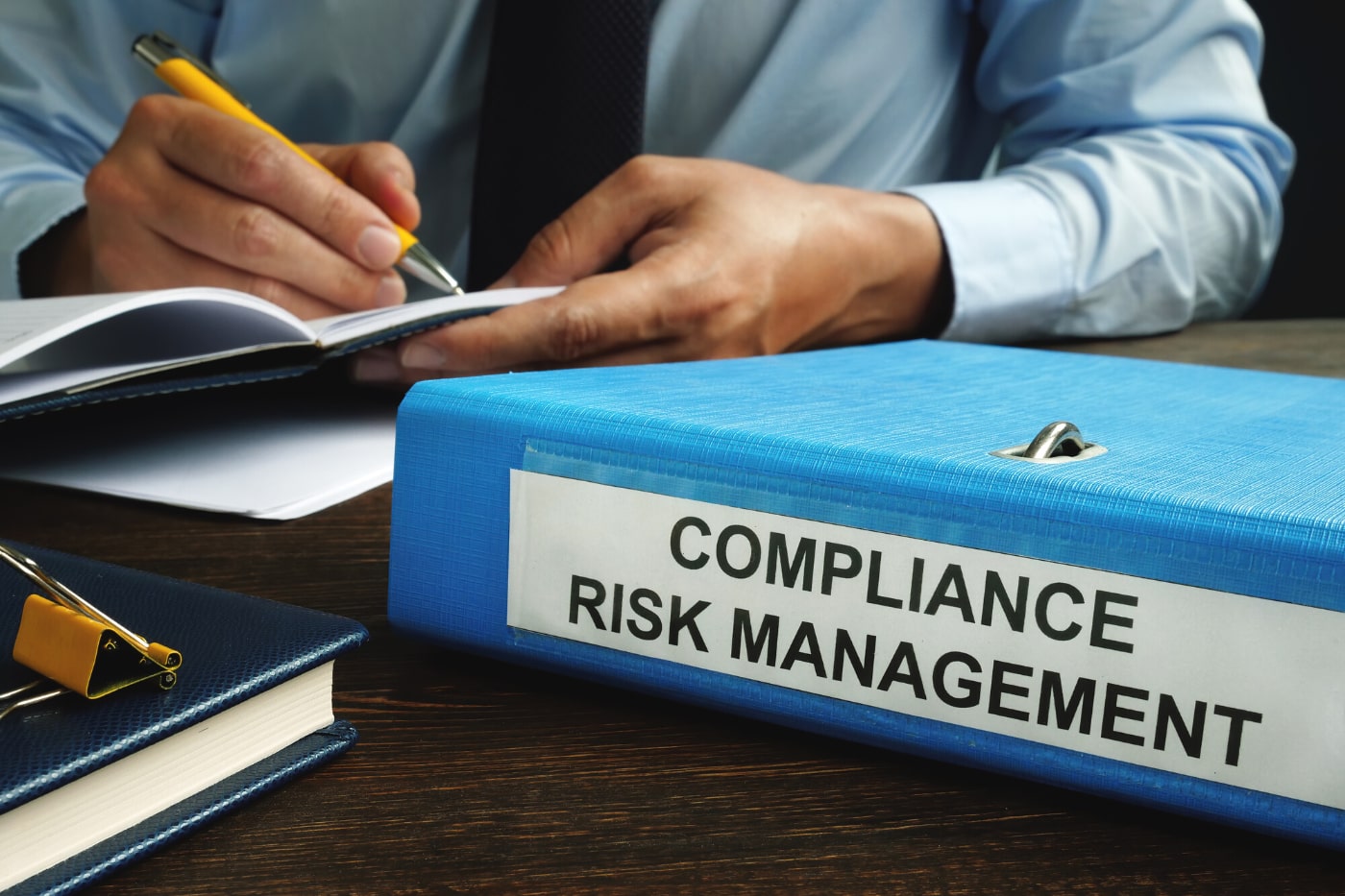
Keeping your business compliant across borders requires vigilance and the right tools. Here’s how you can tackle these challenges head-on.
The Role of Third-Party Due Diligence
Third-party relationships can be a source of risk if not properly managed. Conducting thorough due diligence on vendors and partners is essential. By vetting these third parties, you gain insights into their practices, helping you avoid associations with non-compliant entities. This due diligence acts as your shield against unexpected regulatory issues.
Most assume that a basic background check suffices, but real protection comes from digging deeper. Detailed investigations reveal the true nature of potential partners. The effort spent in due diligence is minimal compared to the costs of compliance breaches.
Effective Vendor Risk Management
Managing vendor relationships is more than just signing a contract. It’s about ongoing vigilance. Effective vendor risk management involves continuous monitoring of your partners’ compliance with regulations. This proactive stance means you can address issues before they impact your business.
Regular audits and checkpoints are crucial. They ensure that your partners remain aligned with your compliance standards. By maintaining this oversight, you not only protect your operations but also strengthen your business network. Remember, the more informed your decisions, the more secure your business.
Beneficial Ownership Mapping Insights
Knowing who truly controls a company is vital in managing risks. Beneficial ownership mapping uncovers the actual decision-makers behind the scenes. This transparency is crucial in compliance, ensuring that you know exactly who you’re dealing with.
This insight is often overlooked, but it’s a critical step in protecting your business from hidden risks. By mapping ownership, you prevent associations with entities that could jeopardize your compliance standing. This extra layer of diligence pays off by safeguarding your operations.
Comprehensive Corporate Investigations in Africa

Thorough investigations are key in understanding and mitigating risks. Let’s delve into why they’re essential for your business.
Conducting Pan-African Investigations
Operating across Africa means dealing with diverse regulations and risks. Comprehensive Pan-African investigations ensure that you remain compliant across all regions. These investigations provide a complete view of the regulatory landscape, helping you navigate it with confidence.
Armed with detailed insights, you can implement strategies that mitigate risks effectively. This approach challenges the common belief that one-size-fits-all solutions work. Each region has unique compliance demands that require tailored strategies.
Navigating Regulatory Exposure and Market Entry Risks
Entering new markets carries inherent risks. Understanding the regulatory environment is crucial in mitigating these risks. By conducting thorough assessments, you identify potential pitfalls before they affect your operations.
This proactive stance allows you to adapt your strategies to meet local compliance requirements. It also boosts your confidence in market entry, knowing that you have a comprehensive understanding of the landscape. The longer you delay this step, the more vulnerable your business becomes.
Adverse Media and PEP Screening Techniques
In today’s digital age, media can shape perceptions. Adverse media and PEP (Politically Exposed Persons) screenings help protect your business from reputational damage. By monitoring mentions and associations, you stay ahead of potential risks.
This vigilance ensures that your business partners and associates are free from affiliations that could harm your reputation. It’s a proactive approach that helps maintain your standing in the market. Remember, the more you know, the better you can protect your brand.
By harnessing local intelligence and implementing comprehensive compliance strategies, you safeguard your business against risks. These steps not only protect your operations but also strengthen your position in the market. Embrace the power of informed decisions and secure your business’s future across Africa.
