Posts

Corporate security management in Africa demands controls tailored to the continent’s unique threat landscape. Generic solutions waste resources and leave gaps that expose your assets and reputation. You need localised security controls backed by Pan-African intelligence and board-certified expertise to manage risks effectively. This guide outlines how Zero Foundation Africa’s proven approach closes those gaps, ensuring compliance and resilience in complex environments across all 55 countries.

Understanding African Security Challenges

In Africa, every region presents its own set of security challenges. Understanding these is key to protecting your assets effectively.

Localised Threat Landscapes

Africa’s diverse environments mean threats vary significantly. Each country has its own political dynamics, economic conditions, and social factors that influence security. For example, urban areas may face higher risks of theft and cybercrime, while rural regions might encounter different challenges. Knowing these distinctions helps in tailoring security measures that are both effective and efficient. Localised security controls are crucial to address these unique issues and ensure that resources are not wasted on irrelevant threats.

Security Risk Management Strategies

Managing security risks in Africa requires a strategic approach. The first step is conducting a thorough security risk management analysis. This involves identifying potential threats and assessing their impact. Developing a strategy involves prioritising risks and implementing control measures accordingly. Use predictive tools to anticipate future threats. Regular reviews and updates to the strategy ensure it stays relevant as situations change. Ultimately, a well-executed strategy not only protects but also enhances business resilience.

Designing Effective Security Controls

Designing security measures that work for Africa requires a blend of local insight and global standards.

Proportionate Control Measures

Implementing control measures that are proportionate to the threat is essential. Overestimating threats can lead to unnecessary expenses, while underestimating them can leave your assets vulnerable. Start by evaluating the specific threats to your operations, then design controls that directly address these issues. For instance, enhanced due diligence might be necessary in high-risk areas to prevent fraud and compliance issues. The key is to ensure that every measure is justified by the threat it mitigates.

Board-Certified Security Management

Relying on board-certified expertise ensures that your security approach is both comprehensive and compliant with international standards. This guarantees that best practices are followed, providing peace of mind and operational integrity. Board-certified professionals bring a wealth of knowledge in designing and implementing security systems that integrate seamlessly with existing operations. Their expertise can transform your security from a reactive stance to a proactive strategy, anticipating and neutralising threats before they materialise.

Advanced Security Services in Africa

For more specialised needs, advanced security services offer targeted solutions that go beyond basic measures.

Technical Surveillance and Counter-Surveillance

Technical surveillance services are vital in high-stakes environments. These services include audio and video monitoring to gather intelligence for legal investigations. Counter-surveillance, such as TSCM, protects against unauthorised monitoring, ensuring your operations remain confidential. These solutions are essential in environments where information security is paramount, and the risks of espionage or data leaks are high. By using these advanced tools, you can safeguard sensitive information and maintain a competitive edge.

Hostile Environment Awareness Training

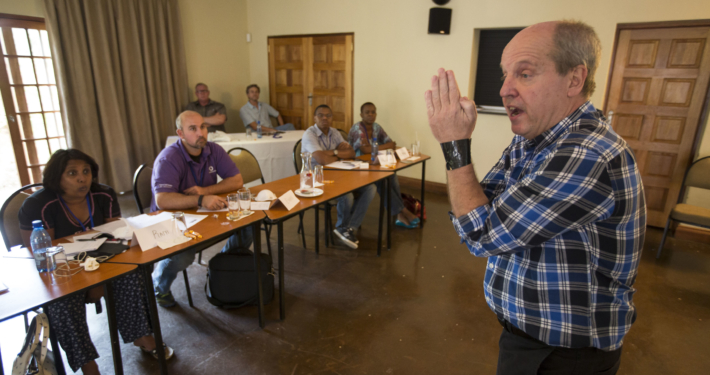
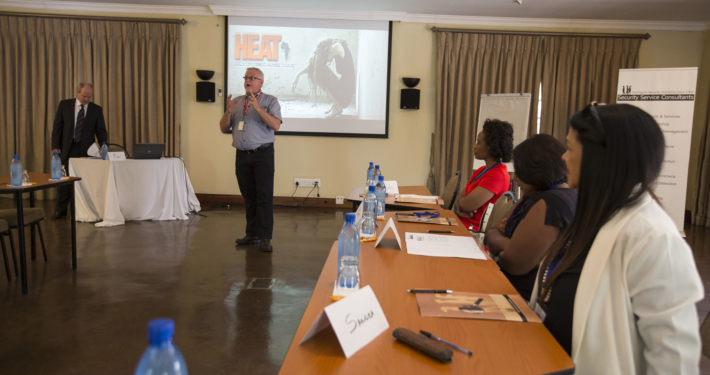
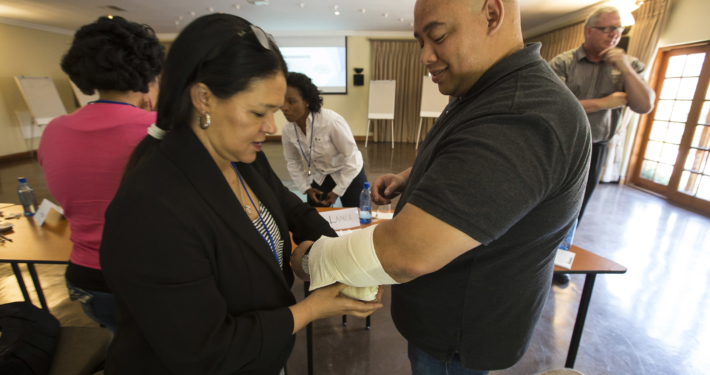
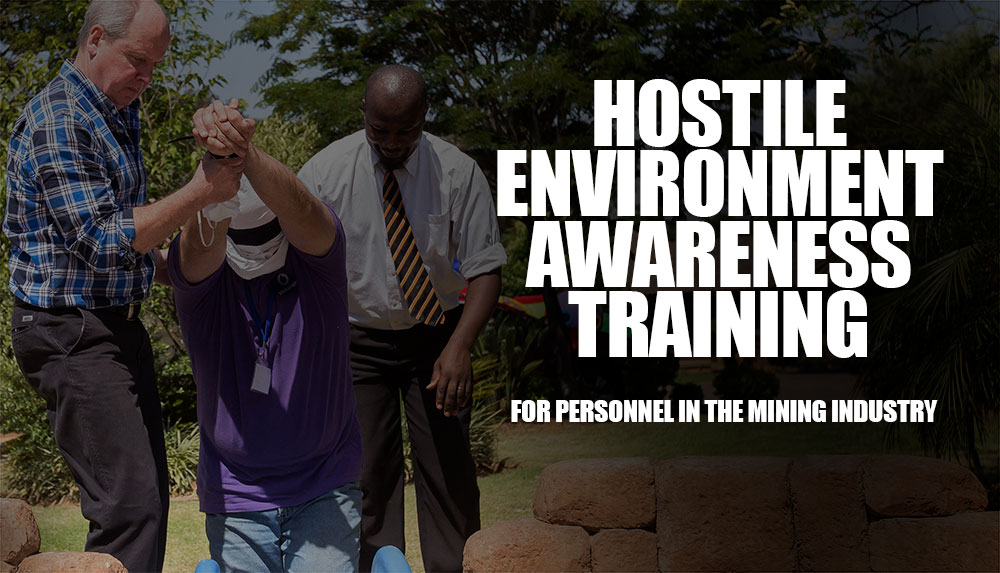
In regions with elevated risks, Hostile Environment Awareness Training (H.E.A.T.) prepares your team for the unexpected. This training equips personnel with the skills to handle crisis situations, enhancing both personal safety and operational continuity. Participants learn to navigate challenging environments, respond to threats, and ensure the safety of their colleagues. H.E.A.T. is an invaluable resource for teams operating in non-permissive environments, empowering them to act decisively under pressure and ensuring that they can continue their mission safely and effectively.

Frequently Asked Questions

What is the importance of localised security controls in Africa?

Localised security controls are crucial as they address specific threats unique to each region, ensuring resources are used efficiently and vulnerabilities are minimized.

How does board-certified expertise benefit security management?

Board-certified experts adhere to international standards, providing comprehensive and compliant security solutions that enhance operational integrity and anticipate potential threats.

Why is technical surveillance important for businesses?

Technical surveillance services gather crucial intelligence for legal investigations, while counter-surveillance protects sensitive information from unauthorised access and espionage.

What are the key components of Hostile Environment Awareness Training?

This training includes crisis response, threat navigation, and operational continuity skills, ensuring personnel can safely and effectively manage risks in non-permissive environments.

How do advanced security services support legal investigations?

They provide audio and video monitoring tools that collect evidence, ensuring that investigations are thorough and that findings are actionable in legal contexts.

Corporate security management Africa demands more than generic solutions. Local threat intelligence Africa varies dramatically by region and sector, requiring precision in risk assessment Africa. You need a security controls framework tailored to these risks, not off-the-shelf fixes. This post outlines how to build controls that respond directly to your operational environment, with Zero Foundation Africa as your trusted partner for design, implementation, and assurance.

Zero Foundation Africa

Corporate Security Management Africa

Understanding local threats in Africa is crucial for any corporate security strategy. Each region presents unique challenges that require a nuanced approach to management. Here’s how you can begin tailoring your security controls to these specific needs.

Understanding Local Threats

Local threat intelligence Africa provides insight into the varied risks across the continent. In understanding these threats, you gain the advantage of foresight. This insight helps in planning and preparing for potential risks that may impact your operations. For instance, understanding regional socio-political climates can prevent disruptions in your supply chain.

Tailored Risk-Based Controls

Developing risk-based security controls is essential. Your framework should align with the specific threats identified in your area of operation. This approach ensures that all strategies are relevant and effective. Consider threats from crime, political instability, and economic fluctuations as you build your controls. With this, your business can remain resilient.

Partnering with Zero Foundation Africa

Collaborating with Zero Foundation Africa offers you expertise in local threat management. They provide comprehensive solutions tailored to African environments. This partnership ensures your security measures are well-informed and robust. With such a partner, you can navigate the challenges of operating across diverse African landscapes with confidence.

Designing Security Controls Framework

Designing an effective security controls framework involves several layers of due diligence and compliance checks. These strategies ensure your operations are not only secure but also ethically sound and legally compliant.

Role of Enhanced Due Diligence Africa

Enhanced due diligence Africa involves meticulous research into potential risks associated with partners and operations. This step is crucial in safeguarding your business interests. By thoroughly vetting potential partners and investments, you protect your company from unforeseen liabilities. This proactive approach reduces exposure to legal and financial repercussions.

FCPA and UK Bribery Act Compliance Africa

Compliance with the FCPA and UK Bribery Act is non-negotiable. These regulations demand strict adherence to anti-bribery laws, ensuring ethical business conduct. Conducting regular compliance audits and training staff on these laws minimizes risks. Adhering to these standards not only keeps your operations legal but also enhances your corporate reputation.

Implementing Technical Surveillance Africa

Incorporating technical surveillance Africa can significantly enhance your security posture. This involves deploying audio and video surveillance to monitor and protect your assets. Such measures are vital in high-risk areas where traditional security systems may fall short. By investing in advanced surveillance technologies, you gain a comprehensive view of potential threats, allowing for quicker response times.

Comprehensive Security Management Consultancy

A comprehensive approach to security management involves predictive intelligence, specialised training, and robust policy development. These elements ensure your organisation is prepared for any eventuality.

Predictive Intelligence Africa

Predictive intelligence Africa equips your business with the ability to anticipate and prepare for future threats. By analysing current trends and data, you can forecast potential risks. This intelligence allows you to take preemptive action, safeguarding your operations from unforeseen disruptions. It’s about being proactive rather than reactive in your security strategy.

Hostile Environment Training Africa

Hostile environment training Africa prepares your team to handle adverse situations effectively. This training builds resilience and equips your staff with survival skills necessary in high-risk areas. Such preparation is invaluable, providing peace of mind that your team can operate safely, even in challenging situations.

Travel Security Policy Africa

Implementing a strong travel security policy Africa is essential for protecting your employees during business trips. This policy should cover all aspects of travel, from transportation to accommodation, ensuring all measures are in place to safeguard your team. By doing so, you demonstrate a commitment to their safety and well-being, reinforcing trust within your organisation.

Frequently Asked Questions

What are the key components of a security controls framework in Africa?

A security controls framework in Africa should include local threat intelligence, risk-based controls, and compliance checks. Incorporating these elements ensures that your security measures are relevant and effective for the specific challenges in your operational regions.

How does enhanced due diligence protect my business?

Enhanced due diligence involves thorough research into potential partners and operations, identifying risks before they impact your business. This proactive approach helps safeguard against financial and legal liabilities, ensuring your business interests are protected.

Why is compliance with FCPA and UK Bribery Act important in Africa?

Compliance with these regulations is crucial to maintaining ethical business practices and avoiding legal issues. Adhering to these laws enhances your corporate reputation and ensures your operations are legally sound.

What role does predictive intelligence play in security management?

Predictive intelligence helps anticipate future threats, allowing for proactive risk management. By analysing trends and data, you can prepare for potential disruptions, ensuring your operations remain unimpacted.

How can hostile environment training benefit my team?

Hostile environment training equips your team with the skills needed to handle adverse situations, building confidence and resilience. This preparation ensures your team can operate safely, even in high-risk areas, providing peace of mind for your organisation.

Corporate security Africa demands more than standard protocols. Complex operating environments Africa challenge even the most seasoned executives with unpredictable risks and compliance hurdles. Your security management consultancy must combine local insight with rigorous methods to safeguard assets and ensure governance. This guide reveals how Zero Foundation Africa’s expert services protect your operations and maintain FCPA compliance Africa in high-risk zones. Read on to build a resilient security programme tailored for Africa’s unique challenges.

Learn more about our services

Building Resilient Security Programmes

Understanding Africa’s Complex Environments

Africa presents a unique set of challenges for corporate security. From diverse regulatory landscapes to varying compliance requirements, the continent demands a specialised approach. You need to understand these complexities to safeguard your operations effectively.

Each country in Africa has its own regulatory environment. This diversity means that a one-size-fits-all approach won’t work. Companies must be nimble and adaptable, ensuring they comply with local laws and regulations. Understanding these nuances can help prevent potential legal and reputational risks.

Key Components of Security Management

Building a robust security programme involves several key components. First, it’s essential to conduct thorough risk assessments. By identifying potential threats, you can develop strategies to mitigate them. This proactive approach helps protect your assets and personnel.

Another crucial element is having a well-defined crisis management plan. This plan should detail how to respond to emergencies and protect your operations. Training staff to handle crises effectively ensures they are prepared for any eventuality.

Implementing Compliance and Governance

Compliance and governance are critical in maintaining corporate integrity. Implementing policies that align with international standards helps build trust with stakeholders. Clear governance structures ensure accountability and transparency within the organisation.

Ensuring compliance with regulations, such as the FCPA, reduces the risk of legal penalties. It also enhances your company’s reputation, making it a more attractive partner for business ventures in Africa.

Comprehensive Security Services

Enterprise Risk Assessment and Programme Design

Enterprise risk assessments are vital for understanding potential threats. By conducting a thorough assessment, you can design a security programme that addresses specific risks. This tailored approach ensures your security measures are effective and efficient.

Risk assessments should be ongoing, adapting to the changing environment. Regular reviews allow you to update your strategies, keeping your operations secure.

Crisis Management and Travel Security Policy

A robust crisis management plan is essential in today’s unpredictable world. Your plan should outline processes for dealing with emergencies, ensuring minimal disruption to operations. Training your team in crisis response can be the difference between chaos and control.

Travel security is another critical component. Establishing a clear policy helps protect employees travelling for business. It ensures they are aware of potential risks and know how to respond in challenging situations.

Technical Surveillance and Counter-Surveillance

Technical surveillance measures help detect potential security breaches. By monitoring communications and networks, you can identify threats before they escalate. Counter-surveillance techniques protect sensitive information from being compromised.

These measures are crucial in maintaining operational security. They provide peace of mind, knowing your company’s data and communications are secure.

Enhancing Security and Compliance

FCPA Compliance and Due Diligence

Ensuring compliance with the FCPA is vital for operating in Africa. Conducting due diligence on potential partners reduces the risk of engaging with corrupt entities. This proactive approach helps protect your company from legal repercussions.

Due diligence involves assessing a partner’s history and operations. This process uncovers any potential red flags, ensuring that your business relationships are above board.

Hostile Environment Awareness Training

Hostile environment awareness training prepares your staff for challenging situations. This training equips them with the skills to navigate dangerous environments safely. It’s crucial for ensuring their safety and maintaining operations in high-risk areas.

Training should be realistic, reflecting the actual challenges your staff might face. This approach ensures they are well-prepared to handle any situation that arises.

Asset Protection and Risk Mitigation

Protecting your company’s assets is a top priority. Implementing risk mitigation strategies helps safeguard physical and digital assets. This includes securing facilities, protecting data, and ensuring only authorised personnel have access.

Assessing and addressing vulnerabilities in your operations is key to maintaining security. Regular audits help identify areas for improvement, ensuring your assets remain protected.

Frequently Asked Questions

What are the key components of a robust security programme?

A robust security programme includes risk assessments, crisis management plans, and compliance policies. These components work together to protect your organisation from potential threats.

Why is FCPA compliance important for operations in Africa?

FCPA compliance helps prevent legal issues related to bribery and corruption. It ensures your business operates ethically and maintains its reputation.

How can technical surveillance improve security?

Technical surveillance helps detect and prevent security breaches. It ensures your communications and data remain secure, protecting sensitive information.

What is the importance of crisis management in corporate security?

Crisis management ensures your organisation can respond effectively to emergencies. It minimises disruption and protects your operations during challenging times.

How does hostile environment awareness training benefit staff?

This training prepares staff to handle dangerous situations, ensuring their safety in high-risk areas. It equips them with skills to navigate challenging environments confidently.

Corporate security Africa demands more than generic strategies. Local political and cultural nuances shape risk in ways few anticipate. Understanding these factors is critical to avoid costly compliance failures and operational disruptions. Zero Foundation Africa offers Pan-African intelligence and security management tailored to your unique challenges. Read on to learn why local context risk Africa changes outcomes and how expert guidance safeguards your interests.

Visit Zero Foundation Africa for more information.

Understanding Local Context in Africa

Local context plays a critical role in shaping security outcomes. Recognising the unique political, legal, and cultural landscapes across Africa is essential.

Political Risk and Security

Political climates across African countries vary widely. Some regions face instability, which can disrupt operations. Knowing the political risk Africa presents helps you anticipate challenges. For example, changing leadership can lead to policy shifts impacting business. Local expertise aids in navigating these complexities, ensuring your company’s resilience.

Decisions made without understanding local politics can lead to costly mistakes. Companies often face unexpected regulatory changes. This stresses the importance of having a reliable partner who provides insight into the political environment. With guidance, you can adapt to shifting dynamics, safeguarding your interests.

Legal Nuances Impacting Security

Legal systems in Africa differ in their structure and enforcement. Navigating these requires an understanding of local laws. Many companies struggle with FCPA compliance Africa. This law, among others, can have serious implications if misunderstood. Knowing these legal nuances shields against compliance failures.

Companies need to be aware of ABAC compliance Africa. Failing to comply can lead to hefty fines. Being proactive about legal matters protects your reputation. Partnering with experts who understand local regulations simplifies compliance processes. This ensures you meet legal standards without unnecessary stress.

Cultural Considerations for Compliance

Culture influences business practices greatly. Understanding local customs helps in fostering successful relationships. Missteps in cultural practices can lead to misunderstandings or even conflict. Recognising these nuances is crucial for effective security management consultancy.

Cultural awareness promotes smoother operations. It ensures teams respect local traditions, enhancing cooperation. Companies with strong cultural understanding gain trust. This trust is vital for business success. Acknowledging cultural differences improves compliance and operational effectiveness.

Intelligence-Led Security Strategies
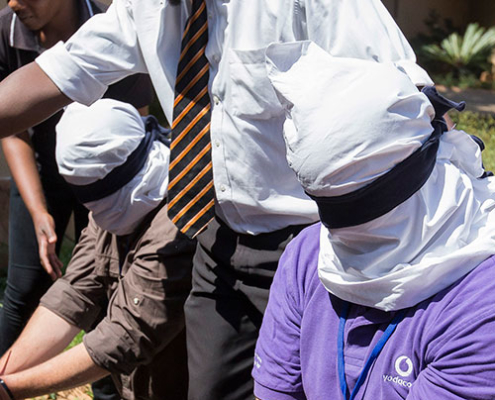
Implementing intelligence-led strategies provides a strong foundation for security. Tailored approaches address specific challenges faced in various regions.

Enhanced Due Diligence in Africa

Due diligence is more than just background checks. In Africa, it involves understanding local environments. Enhanced due diligence Africa identifies risks unique to each location. This includes assessing political, economic, and social factors. Comprehensive checks provide a clearer picture of potential challenges.

Companies benefit from detailed risk assessments. These assessments guide decision-making processes. With thorough due diligence, businesses can avoid pitfalls. By understanding the local context, you make informed choices that protect your interests.

Predictive Intelligence and Risk Management

Predictive intelligence transforms how companies manage risk. By anticipating threats, businesses can act before issues arise. This proactive approach is crucial in predictive intelligence Africa. It allows you to foresee potential disruptions and plan accordingly.

Risk management involves constant vigilance. Anticipating changes ensures you’re never caught off guard. Predictive tools provide insights that traditional methods may miss. They equip you with the knowledge to navigate complex environments confidently.

Pan-African Security Management Consultancy

Having a consultant with Pan-African reach is invaluable. They provide insights from across the continent. This broad perspective enhances your security strategies. Working with a consultant ensures you have access to local expertise, which is crucial for effective security management.

Consultants tailor strategies to meet your specific needs. This includes aligning them with local customs and regulations. Their understanding of regional dynamics ensures that your security solutions are both effective and respectful of local contexts.

Comprehensive Security Solutions
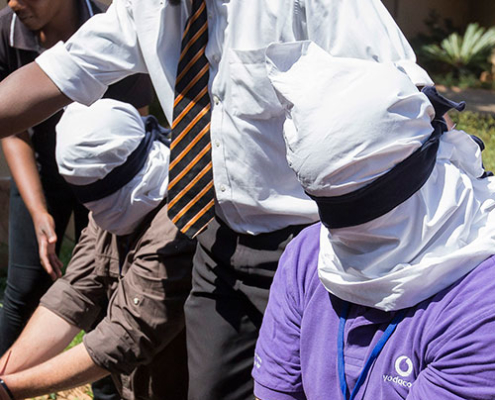
A robust security framework involves multiple layers of protection. Comprehensive solutions address various aspects of security, ensuring thorough coverage.

Hostile Environment Awareness Training

Training is a key component of security preparedness. Hostile environment awareness training equips personnel with skills to handle challenging situations. This training is essential for those operating in volatile regions. It teaches practical techniques for dealing with threats, enhancing personal and organisational safety.

Participants learn through realistic scenarios. These exercises build confidence and competence. Training ensures your team is ready for any situation they might encounter. This proactive measure significantly reduces risk.

Counter-Surveillance and Asset Tracing

In a world where information is power, counter-surveillance is crucial. Counter-surveillance Africa helps protect sensitive data from prying eyes. This involves using techniques to detect and prevent spying. It ensures your information remains secure, protecting your competitive edge.

Asset tracing is equally important. It involves locating and recovering assets that may be at risk. This service is vital for financial institutions and businesses. By securing your assets, you protect your company’s financial health and reputation.

Travel Security and Compliance Audits

Travel security is a concern for any organisation. Implementing a travel security policy Africa ensures your travellers remain safe. This includes pre-travel briefings and ongoing support. These measures protect your people and assets while abroad.

Compliance audits ensure you’re meeting legal and safety standards. Regular audits identify gaps in your security framework. Addressing these ensures continuous improvement. It also protects against potential liabilities, safeguarding your organisation’s reputation.

In summary, local context significantly influences security outcomes in Africa. Understanding political, legal, and cultural factors is key to success. Zero Foundation Africa offers tailored solutions to navigate these complexities. With expert guidance, you can secure your interests and achieve your goals across the continent.

Risk Management South Africa

Corporate Security Management Across Africa: Why Local Context Determines Outcomes

Local context drives security outcomes in Africa more than any single strategy. Your corporate security Africa plans must reflect distinct regional risks and regulatory landscapes. Zero Foundation Africa’s Pan-African intelligence network delivers on-the-ground insight to tailor risk mitigation and ensure FCPA compliance Africa-wide. Read on to understand why ignoring local variables can expose your organisation to costly failures and how expert security management consultancy can protect your interests.

Navigating Corporate Security in Africa
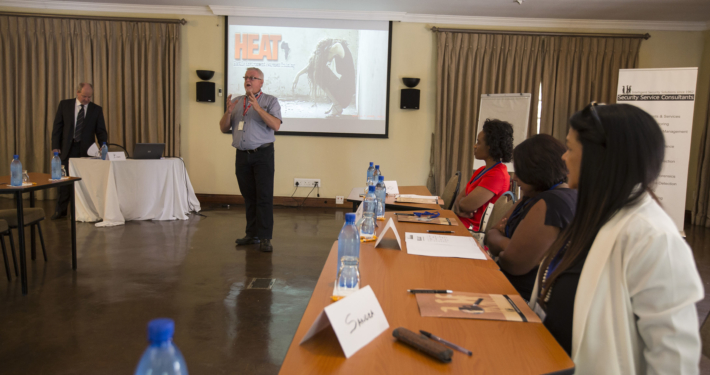
It’s essential to grasp how local conditions impact security strategies. In Africa, a one-size-fits-all approach won’t work. Understanding unique regional challenges can safeguard your business.

Understanding Local Context for Security

Every region in Africa presents its own security dynamics. From local laws to cultural nuances, these factors significantly impact your corporate security plans. For instance, operating in Nigeria requires awareness of local protest activities that may affect business operations. Similarly, South Africa has specific legislation that influences how you manage data protection. By recognising these differences, you can craft effective security strategies tailored to each location.

Local knowledge is power. When you understand the environment, you’re better prepared to handle risks. This means fewer disruptions and a smoother operation. Many companies overlook the importance of local context, leading to unanticipated challenges. Don’t let this be your story. Be proactive in learning and adapting to local environments, ensuring your business remains resilient and informed.

Role of Pan-African Intelligence Networks

Reliable intelligence networks are crucial for navigating Africa’s diverse security landscape. These networks provide the insights needed to make informed decisions. By tapping into a Pan-African network, you gain access to real-time data and expert analysis across the continent. This allows you to anticipate potential threats before they escalate.

Imagine having a team that monitors local developments 24/7. They alert you to emerging issues, enabling you to act swiftly. This is the advantage of a robust intelligence network. Most businesses don’t realise how much they rely on these insights until they face a crisis. Invest in a network that keeps you ahead and ensures your strategies are grounded in local realities.

Importance of On-the-Ground Intelligence

On-the-ground intelligence offers a direct line to what’s happening in specific areas. This type of intelligence is gathered by experts familiar with local conditions, and it’s crucial for accurate risk assessments. For example, local partners can provide insights on regulatory changes or social unrest that might not be evident from afar.

Having eyes and ears on the ground means you can respond more effectively to any situation. It bridges the gap between strategy and execution, turning potential threats into manageable situations. Without this insight, you risk making decisions based on incomplete information. Equip your business with the intelligence needed to thrive in any African market.

Key Services in Security Management
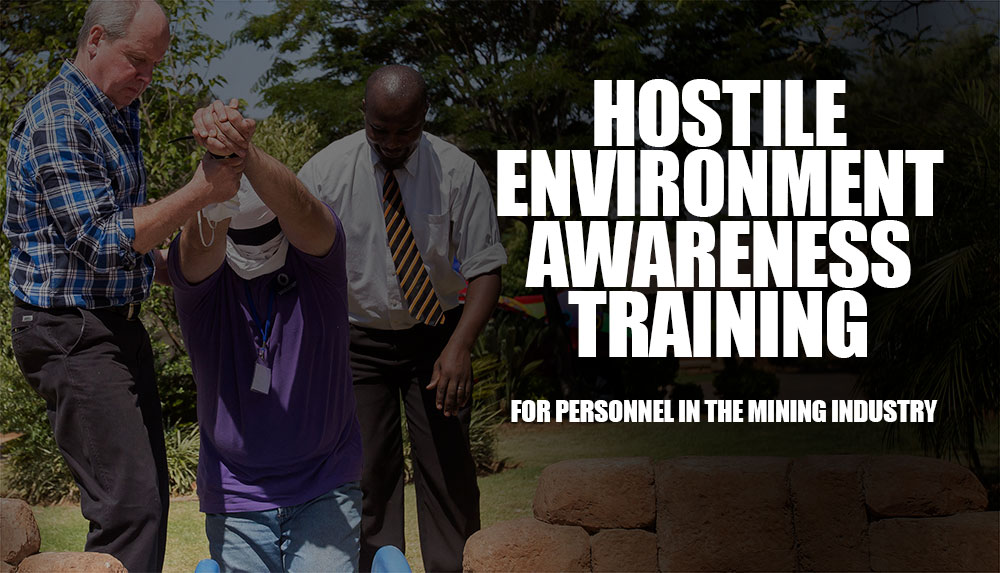
With a solid understanding of local contexts, it’s time to explore key security services. These services are designed to address specific needs, ensuring comprehensive protection for your business.

Enhanced Due Diligence and Compliance

Conducting thorough due diligence is vital for compliance in Africa. This process involves verifying the credentials of potential partners and understanding their business practices. Enhanced due diligence helps prevent issues like fraud and corruption that can harm your company’s reputation. For instance, investigating a supplier’s track record can reveal past fraudulent activities, saving you from future headaches.

Compliance is not just about ticking boxes; it’s about maintaining integrity in your operations. By ensuring compliance with anti-bribery and corruption laws, you protect your business from legal repercussions. Many companies underestimate the value of due diligence, only to face penalties later. Take proactive steps to secure your operations and build trust with your stakeholders.

Technical Surveillance and Counter-Surveillance

Surveillance plays a critical role in protecting your assets. Technical surveillance involves monitoring activities to gather information legally. This can help detect misconduct or protect sensitive information from leaks. For example, using audio and video equipment can uncover employee malpractice, providing evidence for disciplinary actions.

Counter-surveillance, on the other hand, involves measures to prevent unauthorized surveillance of your company. This ensures your confidential information remains secure. Businesses that ignore these aspects often find themselves vulnerable to espionage or data breaches. Invest in surveillance services to maintain control over your information and safeguard your competitive edge.

Hostile Environment Awareness Training

Preparing your team for challenging environments is crucial. Hostile Environment Awareness Training (H.E.A.T.) equips them with skills to navigate risky situations safely. This training covers a range of scenarios, from natural disasters to civil unrest, ensuring your staff can operate confidently.

Imagine your team travelling to a region experiencing political instability. With the right training, they know how to react, reducing the risk of harm. H.E.A.T. is an investment in your team’s safety and your company’s operational continuity. Many businesses underestimate the need for such training until a crisis occurs. Be proactive in empowering your team with the skills they need to face any situation.

Reducing Risks with Tailored Solutions
Tailored solutions are key to reducing risks in Africa. By customising your approach, you address specific challenges and ensure effective risk management.

Conducting Comprehensive Country Risk Assessments

Understanding the risk landscape of each country is essential. Country risk assessments provide detailed insights into political, economic, and social dynamics. This information helps you identify potential threats and opportunities, allowing for better strategic planning.

Consider a scenario where you plan to expand into a new market. A comprehensive assessment reveals local conflicts that could disrupt operations. With this knowledge, you can develop strategies to mitigate risks, ensuring a successful entry. Many companies skip this step, leading to costly mistakes. Prioritise thorough assessments to inform your decision-making and secure your investments.

Implementing Effective Travel Security Policies

Travel security is a critical component of risk management. Effective policies protect your employees during business trips, ensuring they return safely. Your policy should cover pre-travel briefings, secure transportation, and emergency response plans. For example, using vetted drivers for airport transfers reduces the risk of abductions.

A well-documented policy provides peace of mind for your team and demonstrates your commitment to their safety. It also helps avoid legal liabilities in case of incidents. Many organisations neglect this aspect, exposing themselves to unnecessary risks. Implement robust travel security policies to fulfil your duty of care and keep your team secure.

Addressing Third-Party and Regulatory Compliance Risks

Managing third-party risks is crucial for maintaining compliance. This involves assessing the practices of suppliers, partners, and contractors to ensure they align with your standards. Regulatory compliance is equally important, as it protects your business from legal issues.

Imagine a supplier violating environmental laws. This can affect your compliance status and lead to penalties. By addressing third-party risks, you safeguard your business from such repercussions. Many companies only react when problems arise, but proactive management prevents issues before they occur. Ensure your compliance framework includes thorough third-party assessments to protect your interests.

In summary, navigating corporate security in Africa requires understanding local contexts and leveraging intelligence networks. By focusing on tailored solutions and key services, you can reduce risks and ensure your business thrives across the continent.

Risk Management South Africa

Corporate Travel Security Policy for African Operations: A Practical Framework

Most corporate travel security policies for Africa miss critical local risks until it’s too late. You may already have a policy, but does it address travel risk management Africa demands today? This guide breaks down the essential steps to build a robust, Africa-focused travel security policy that aligns with your duty of care Africa and compliance requirements. Read on to learn how to protect your people and operations with real Pan-African intelligence and proven security measures.

Request a confidential policy audit and implementation plan. Contact Zero Foundation Africa.

Establishing a Solid Security Framework

Creating a travel security policy focused on Africa requires a tailored approach. Here’s how to start building a strong framework.

Understanding Travel Risks in Africa

Africa presents unique challenges. You might think you know them, but local knowledge is key. Risks vary greatly across regions. In some areas, political instability is the main concern, while in others, it may be health risks or crime. Understanding these differences helps you tailor your security measures. You must also consider environmental factors. For example, travelling in remote areas can pose challenges with communication and transportation. Having a plan for these scenarios is crucial.

Legal and Compliance Considerations

Compliance isn’t just a checkbox. It’s a safeguard. Africa has diverse legal systems. Each country might have different compliance needs, especially concerning anti-bribery laws and FCPA compliance. Your policy must address these variations. It’s crucial to work with local legal teams. They provide insights on regional regulations and help you avoid legal pitfalls. Remember, compliance ensures you’re legally protected and shows your commitment to ethical practices in Africa.

Building a Comprehensive Security Policy

Your policy should be comprehensive, covering all bases. Start with a risk assessment. Identify potential threats specific to each region. Next, design security measures tailored to address these threats. This includes secure transport options, communication protocols, and emergency plans. Consider integrating technology. Real-time updates and tracking can enhance security and provide peace of mind. Lastly, ensure your team is trained. Regular training on the policy keeps everyone prepared.

Key Components of Travel Security

Designing a travel security policy isn’t just about prevention. It’s about preparation and response.

Threat and Risk Assessments

Accurate risk assessment is a cornerstone of security. You must evaluate potential threats specific to each destination. This means considering political climate, crime rates, and health concerns. Regular assessments keep your policy relevant. They also allow for proactive adjustments as situations change. A thorough risk assessment also considers your travellers. Are there specific threats to your employees’ profile? Tailor your security measures to these findings.

Secure Ground Transport Solutions

Transportation is more than getting from point A to B. It’s a critical security component. Secure ground transport in Africa requires vetted drivers and vehicles. Ensure vehicles are equipped with GPS and communication devices. This allows for real-time tracking and quick response in emergencies. Regularly review transport routes. Some areas might become high-risk suddenly. Having alternate routes planned is a smart move.

Emergency Evacuation Planning

An evacuation plan is your safety net. It’s essential to have a clear, actionable plan in place. Identify key evacuation routes and safe havens in advance. Communication is vital during an evacuation. Ensure you have reliable communication channels that work throughout Africa. Regular drills and updates to the plan keep everyone prepared and aware of their roles during a crisis.

Enhancing Security Through Training and Insights

Training and local insights are your best allies in enhancing travel security.

Hostile Environment Awareness Training

Training like Hostile Environment Awareness Training (H.E.A.T.) equips your team with essential survival skills. This training focuses on real-world scenarios in hostile environments. Participants learn to stay calm and make informed decisions under pressure. Regular training sessions keep skills fresh and prepare your team for unexpected challenges. Investing in this training boosts confidence and readiness.

Importance of Local Insights in Africa

Local insights offer invaluable advantages. Understanding cultural nuances and regional differences can improve security measures. Local experts provide real-time information and advice, enhancing your policy’s effectiveness. Building relationships with local contacts is beneficial. They offer insights and support, helping you navigate complex environments safely. Relying on local knowledge ensures you’re always a step ahead.

Leveraging Pan-African Intelligence

Pan-African intelligence is about connecting the dots. It’s understanding the bigger picture across the continent. This intelligence helps anticipate risks before they become threats. By leveraging a network of contacts and resources, you gain real-time updates and strategic insights. This proactive approach ensures you can adapt quickly and effectively to any situation. Partnering with a firm like Zero Foundation Africa provides access to this critical intelligence.

By integrating these components, your travel security policy will be robust and effective. Start implementing these strategies today to ensure the safety of your personnel and operations across Africa.

HEAT: From Boardroom to Battlefield Conditions — Preparing Your Executives for Crisis

Boardroom strategies rarely prepare executives for the realities of crisis on African soil. Yet, threats like kidnap and ransom, active assailant events, and hostile environments demand more than theory. Hostile Environment Awareness Training (HEAT) tailored for executives bridges this gap, equipping your leadership with lifesaving skills and legal compliance. Read on to understand why executive HEAT Africa is essential for your board crisis preparedness and corporate travel security Africa.

Preparing Executives for Crisis

In today’s uncertain world, preparing your leadership for potential crises is crucial. Hostile Environment Awareness Training (HEAT) is the key to bridging theory with practice, ensuring your executives are ready to face real-world challenges.

Importance of Hostile Environment Awareness Training

Every executive must be ready to handle unexpected threats. HEAT provides essential skills that go beyond boardroom discussions. Imagine an executive navigating a tense situation with confidence. This training equips them with the tools needed to stay calm and make informed decisions.

You’ll learn to identify risks early and react effectively. HEAT covers everything from risk assessment to emergency response. Your leadership will gain the confidence to handle any crisis, ensuring the safety of not just themselves but their entire team. With HEAT, you lead from the front.

Executive HEAT Africa: An Overview

Tailored specifically for African operations, executive HEAT Africa offers comprehensive training. This program addresses the unique challenges faced in Africa, from political instability to civil unrest.

The training is split into modules focusing on practical skills. You’ll engage in realistic scenarios, helping you understand the complexities of African environments. This hands-on experience is invaluable for any executive operating across the continent. With HEAT Africa, your board will be well-prepared for any situation.

Core Modules for Crisis Readiness

To be truly prepared, executives need a robust understanding of specific threats. The core modules of HEAT provide this foundation.

Kidnap and Ransom Prevention Tactics

Kidnapping is a real risk in many regions. HEAT teaches you how to mitigate this threat with effective tactics. You’ll learn how to reduce your profile and respond if targeted.

Practical exercises simulate potential scenarios, giving you firsthand experience in handling such crises. You’ll understand the mindset of kidnappers and develop strategies to safeguard yourself and your team. This preparation is crucial for maintaining safety during high-risk travel.

Active Assailant and Crowd Unrest Response

In volatile regions, crowd unrest can escalate quickly. Active assailant scenarios require immediate action. HEAT prepares you to respond decisively and protect those around you.

Training involves simulations that test your ability to make quick decisions. You’ll gain skills in crowd management and learn how to find safe exits. This module ensures you’re ready to lead during chaotic situations, prioritising the safety of your team and yourself.

Enhancing Corporate Security in Africa

Beyond individual readiness, corporate security is vital. Ensuring compliance and duty of care strengthens your organisation’s resilience.

Ensuring FCPA and UK Bribery Act Compliance

Compliance with international laws is non-negotiable. HEAT educates you on the FCPA and UK Bribery Act, ensuring your practices are above board.

You’ll explore case studies illustrating the consequences of non-compliance. By understanding these regulations, you protect your company from potential legal issues. Knowledge of these laws also enhances your reputation as a compliant and ethical leader.

Effective Duty of Care Strategies

Providing a duty of care is about more than just policies; it’s about real safety. HEAT focuses on creating and implementing effective strategies.

You’ll learn how to craft plans that genuinely protect employees. This includes assessing risks, planning emergency responses, and ensuring communication channels are clear. By prioritising duty of care, you not only meet legal obligations but also build trust within your team.

To sum up, HEAT equips your executives with the skills and knowledge needed to face crises head-on. From understanding local laws to responding to threats, your team will be prepared to navigate any challenge.