Posts

FCPA compliance Africa poses unique challenges that can threaten your operation’s integrity and reputation. Corruption risk assessment, third-party due diligence Africa, and politically exposed persons screening are just some critical areas where missteps prove costly. This guide breaks down priority risk vectors and shows how Zero Foundation Africa’s proven services protect your business with rapid deployment and court-ready intelligence. Request a confidential FCPA Risk Scan and secure your compliance today.

Understanding FCPA Compliance Risks

Navigating FCPA compliance Africa presents unique challenges that can impact your business. Let’s explore the key risks and how to manage them.

Key Risk Vectors in African Markets

African markets can be complex. Corruption risk assessment is a top concern for many businesses. You might face challenges with local agents and intermediaries. Knowing who you’re dealing with is crucial. Missteps here can lead to serious consequences.

Another vector is the role of state-owned enterprises. These entities often come with their own set of compliance hurdles. Understanding their involvement is key to avoiding violations. Remember, thorough background checks are essential.

Navigating Anti-Bribery and Corruption

Anti-bribery and corruption measures are crucial. Implementing a strong gift and hospitality policy can help. This reduces the risk of facilitation payments. It’s also vital to be aware of sanctions screening Africa. This ensures you don’t engage with restricted parties.

Education is another tool. By training your team on these risks, you bolster internal controls Africa. This knowledge protects your business from potential pitfalls. Always be proactive rather than reactive.

Internal Controls and Enforcement Dynamics

Strengthening your internal controls is critical. Books and records FCPA compliance should be a focus. Accurate documentation is your best defence. Consistent auditing helps you maintain integrity.

Enforcement dynamics can vary. Stay informed about FCPA enforcement DOJ actions. Understanding these can guide your compliance efforts. Adapting to changes ensures long-term success.

Mitigating Compliance Risks Effectively

You can mitigate these compliance risks with targeted strategies. Here’s how to protect your business.

Robust Third-Party Due Diligence Africa

Conducting third-party due diligence Africa is non-negotiable. It’s about knowing your partners. This process involves deep dives into their history. You want no surprises that could jeopardize your standing.

Thorough checks reveal hidden risks. You uncover the truth about partners’ backgrounds. This includes financial and reputational assessments. Remember, this isn’t just good practice; it’s necessary for compliance.

Enhanced Beneficial Ownership Mapping

Beneficial ownership Africa is another layer of due diligence. It’s crucial to identify who really owns or controls entities. This transparency prevents hidden interests from causing issues.

Mapping ownership structures clarifies relationships. It helps pinpoint potential conflicts of interest. This step is vital for maintaining good standing and avoiding penalties.

Politically Exposed Persons and Sanctions Screening

Politically exposed persons screening is essential. These individuals pose higher risks due to their influence. Knowing their involvement can protect against unwanted surprises.

Sanctions screening Africa is equally important. This ensures compliance with international regulations. It’s about safeguarding your operations from unlawful engagements.

Leveraging Zero Foundation Africa’s Expertise

Zero Foundation Africa offers unmatched expertise in navigating FCPA challenges. Let’s see how their services can support you.

Comprehensive Investigations and Asset Tracing

Comprehensive investigations are their forte. They dive into complex scenarios, providing clarity. Asset tracing Africa is part of this. It uncovers hidden assets and ensures compliance.

Their methods are thorough, ensuring nothing is overlooked. This expertise helps you make informed decisions. Protecting your interests is their priority.

Whistleblowing and Internal Compliance Programmes

Whistleblowing programmes are vital. They foster a culture of transparency. Encouraging reporting helps prevent issues before they escalate.

Their internal compliance programmes are robust. They align with international standards, ensuring you’re always compliant. These measures protect your reputation and operations.

Rapid Deployment and Confidential Consultations

Zero Foundation Africa offers rapid deployment solutions. They respond swiftly to your needs. This agility ensures timely compliance support.

Their confidential consultations provide peace of mind. You’re not alone in this journey. Partnering with them means having expert guidance at your fingertips.

Frequently Asked Questions

What are the main FCPA compliance risks in African markets?

The main risks include corruption risk, involvement with politically exposed persons, and state-owned enterprises. Comprehensive due diligence is crucial to mitigate these risks.

How can third-party due diligence help in compliance?

Third-party due diligence reveals hidden risks by assessing partners’ backgrounds. It ensures that you’re engaging with reputable entities, protecting your business from potential violations.

Why is sanctions screening important in Africa?

Sanctions screening ensures compliance with international regulations. It protects your operations from engaging with restricted or illegal parties, safeguarding your business integrity.

By understanding and addressing these compliance challenges, you can effectively navigate the complexities of African markets.


Most companies overestimate their due diligence when entering African markets. You might think a basic check is enough, but risks here run deeper and wider. Enhanced due diligence Africa demands a thorough approach—covering everything from ultimate beneficial ownership to on-the-ground verification—to safeguard your transactions and compliance. Read on to learn what your review must include to avoid costly surprises.

Key Components of EDD in Africa

Diving into due diligence in Africa requires more than a surface-level look. Grasp the essence of the process by exploring its fundamental components.

Importance of Third-Party Due Diligence

You can’t overlook third-party relationships when operating in Africa. They can bring unexpected risks. These risks may impact your company’s reputation and bottom line. Ensuring thorough checks on partners helps protect your business.

  • Third-party due diligence involves investigating partners to avoid legal and financial pitfalls.

  • This process includes evaluating a partner’s history, business practices, and compliance with local laws.

  • A comprehensive due diligence approach helps your company avoid partnerships that might seem lucrative but are fraught with hidden risks.

Most assume that a signed contract is enough as a safety net. But, the reality is, without proper vetting, you’re exposed to unforeseen liabilities. Ensure you are making informed decisions with every partnership.

Conducting AML/CFT and Sanctions Screening

Screening for money laundering and terrorism financing is crucial in Africa. These issues pose significant threats to businesses. Implementing a robust screening process mitigates these risks.

  • AML/CFT screening ensures your business does not inadvertently support illegal activities.

  • Regularly update your screening tools to reflect current sanctions and regulations.

Ignoring these risks can lead to severe penalties. Many companies realise too late that failing to conduct thorough screenings can result in hefty fines and damaged reputations. Protect your business by staying vigilant.

Mapping Ultimate Beneficial Ownership

Identifying who truly owns a business partner is key. This step offers transparency and reduces risks.

  • Mapping beneficial ownership involves uncovering hidden stakeholders who may present risks.

  • This insight helps you understand who controls the entities you deal with.

It’s easy to assume that the face of a company is its sole owner. Yet, digging deeper often reveals complex ownership structures. Understanding these layers helps prevent surprises that could harm your investments.

On-the-Ground Verification Techniques

Beyond paperwork, on-the-ground checks in Africa provide crucial insights. These techniques ensure that what you see on paper matches reality.

Site Visits and Corporate Registry Searches

Visiting a partner’s site gives you a firsthand look at their operations. This step often uncovers discrepancies that documents might miss.

  • Site visits can reveal operational issues or misrepresentations.

  • Corporate registry searches ensure the legitimacy of your partners.

Many rely solely on digital or paper records, missing out on the insights that physical presence can provide. Don’t let distance be a barrier. Verify operations on the ground to ensure accuracy and truthfulness.

Multilingual Source Enquiries and Verification

Engaging with sources in their native language is powerful. It ensures you gather accurate, context-rich information.

  • Multilingual enquiries provide a deeper understanding of local nuances and potential risks.

  • Local expertise is invaluable for verifying information through trusted channels.

Relying on translations alone may lead to misunderstandings. Work with experts who can navigate these linguistic challenges and reveal the full picture.

Asset Tracing and Litigation Checks

Knowing the financial health and legal history of a partner is essential. It informs your business decisions and reduces risk.

  • Asset tracing helps identify undisclosed liabilities or financial instability.

  • Litigation checks reveal past or ongoing legal issues that could impact your business.

Assuming financial stability without verification is risky. Confirm asset legitimacy and legal standing to make informed partnerships.

Compliance with International Standards

Aligning with international regulations not only protects your business but also boosts credibility. Understanding and following these standards is vital.

FCPA and UK Bribery Act Compliance

Compliance with these acts is non-negotiable. They form the backbone of ethical business conduct worldwide.

  • Non-compliance with the FCPA can lead to severe penalties and reputational damage.

  • The UK Bribery Act mandates strict anti-corruption measures.

Ignoring these frameworks can be costly, both financially and legally. Stay compliant to protect your business and uphold its integrity.

Anti-Bribery and Corruption Measures

Implementing strong anti-corruption measures safeguards your operations. It reassures stakeholders of your commitment to ethical practices.

  • Establish clear policies and regularly train employees on anti-bribery measures.

  • Conduct regular audits and reviews to ensure adherence.

Neglecting this aspect can lead to internal corruption, affecting your company from within. Stay proactive in maintaining a clean business environment.

Counterparty Risk Assessment and ESG Profiling

Evaluating counterparty risks ensures your partners adhere to ethical and environmental standards. This step is key in today’s business landscape.

  • Conduct detailed risk assessments to identify potential challenges in partnerships.

  • ESG profiling ensures partners share your commitment to sustainable practices.

Assuming all partners share your values can be misleading. Thorough assessments ensure alignment in ethical and environmental goals.

By embracing these comprehensive due diligence practices, you position your business for success in Africa. The insights gained protect your investments and build lasting partnerships founded on trust and integrity.

Corporate Security Trends in Africa 2026: What Businesses Must Know

Corporate security Africa faces unprecedented challenges in 2026. Rising regulatory demands and evolving risks require sharper vigilance from your teams. This briefing outlines critical Africa risk 2026 trends and how enhanced due diligence Africa and FCPA compliance Africa shape your security landscape. Stay ahead with expert insights and practical steps to protect your business on the continent.

Emerging Corporate Security Trends

Let’s explore the corporate security trends shaping Africa in 2026. These trends will help you navigate the complex landscape of risks and compliance.

Africa Risk Landscape 2026

Understanding the risk landscape is key to staying ahead. In 2026, Africa faces a host of challenges that demand your attention. Political instability and economic shifts create a volatile environment. Natural disasters and health crises add layers of complexity. These elements can directly impact your operations and strategic decisions.

You might think that these risks are distant, but they can quickly become localised. Businesses must prepare for disruptions that ripple across borders. The interconnected nature of today’s world means that a change in one region can affect the entire continent. By staying informed, you can anticipate these shifts and adapt your strategies accordingly.

Here’s the key insight: The more you know about the evolving risks, the better equipped you are to mitigate them. Most organisations underestimate the impact of regional instability. Understanding these patterns can give you a competitive edge.

Key Compliance Challenges

Compliance is not just about ticking boxes. It’s about safeguarding your reputation and operations. In Africa, compliance challenges are growing more complex. Anti-corruption laws, tax regulations, and labour laws are constantly changing. Keeping up with these changes is crucial for your business.

Consider the Foreign Corrupt Practices Act (FCPA). This law affects organisations dealing with third parties in Africa. Ignorance is no excuse. Failing to comply can result in hefty fines and damaged reputations. You need a proactive approach to ensure compliance at every level.

Most people think compliance is just a legal requirement, but it’s also a strategic advantage. By embedding compliance into your corporate culture, you protect your business from unforeseen risks. This approach not only prevents legal issues but also builds trust with partners and clients.

Predictive Intelligence Importance

Imagine having the ability to anticipate risks before they occur. That’s the power of predictive intelligence. This tool is becoming essential for businesses operating in Africa. With predictive intelligence, you can foresee potential threats and adjust your strategies in real-time.

Predictive intelligence uses data analytics and trend analysis to provide insights into future risks. By leveraging this technology, you can make informed decisions that safeguard your assets. It’s not just about reacting to risks; it’s about preventing them.

Here’s the key insight: The longer you wait to adopt predictive intelligence, the more vulnerable your business becomes. Many organisations still rely on outdated methods. Embracing this technology now sets you apart from competitors and fortifies your operations.

Essential Security Services

Our focus now shifts to the services you need to protect your business on the continent. These services ensure compliance, reduce risks, and provide peace of mind.

FCPA Compliance and Third-Party Risk

FCPA compliance isn’t just a regulatory hurdle; it’s a necessity. Engaging with third parties in Africa requires thorough vetting. This process uncovers potential risks and protects your business from corruption charges. You need a reliable partner to navigate these complexities.

Did you know? Many companies face penalties because they overlook the importance of third-party compliance. By working with experts, you can identify red flags and manage risks effectively. This proactive approach not only ensures compliance but also strengthens your business relationships.

Enhanced Due Diligence and ESG Vetting

Enhanced due diligence is about more than background checks. It’s a comprehensive analysis of your potential partners. This service ensures that your business aligns with environmental, social, and governance (ESG) standards. Adhering to ESG principles not only improves your brand image but also attracts ethical investors.

Think about this: Most organisations focus solely on financial metrics. By incorporating ESG vetting, you demonstrate a commitment to sustainable practices. This approach sets you apart and appeals to a broader audience.

Technical Surveillance and Counter-Surveillance

In a world where information is power, protecting your data is crucial. Technical surveillance services help you monitor potential threats. Counter-surveillance tools prevent information leaks and safeguard your communications. This dual approach ensures that your sensitive data remains secure.

Here’s the key insight: The threat of data breaches is real. Many organisations underestimate this risk. By investing in technical surveillance, you protect your business from espionage and maintain your competitive edge.

Proactive Risk Management

To thrive in Africa, you must be proactive in managing risks. This section outlines the strategies that keep your business resilient.

Hostile Environment Awareness and Travel Risk

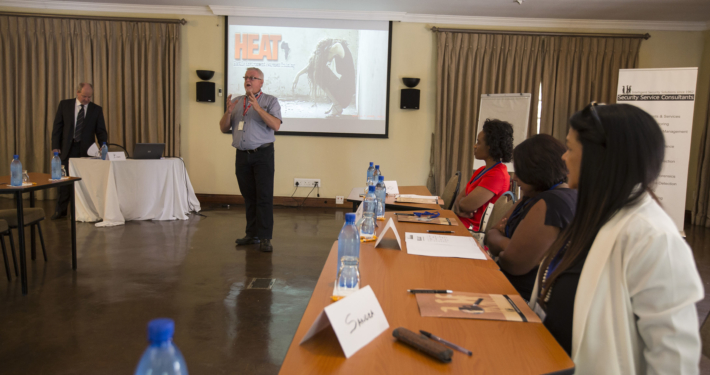
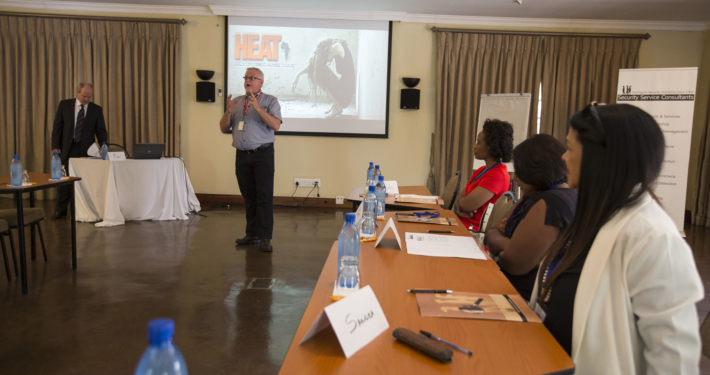
Travel risks are a significant concern for businesses operating in Africa. Hostile Environment Awareness Training (HEAT) equips your team with the skills needed to navigate challenging situations. This training ensures they can respond effectively to threats.

Did you know? Many companies neglect travel risk management. This oversight can lead to costly disruptions. By preparing your teams, you protect your employees and ensure business continuity.

Asset Tracing and Fraud Investigations

Asset tracing is vital for recovering lost or stolen assets. Fraud investigations uncover dishonest practices that could harm your business. These services are essential in maintaining financial integrity and protecting your investments.

Here’s the key insight: Fraud is more common than you think. By prioritising asset tracing and investigations, you safeguard your finances and maintain investor confidence.

Crisis Management and Insider Threats

Crisis management is about being prepared for the unexpected. Insider threats pose a unique challenge, as they often come from trusted individuals. Developing a robust crisis management plan is essential for mitigating these risks.

Think about this: Many organisations lack a comprehensive crisis response plan. By preparing for potential threats, you ensure your business remains operational during disruptions.

In conclusion, staying informed and proactive is your best defence against the evolving risks in Africa. By leveraging these insights and services, you can navigate 2026 with confidence and resilience.

Why Enhanced Due Diligence Is Non‑Negotiable for Safeguarding African Business Interests

Enhanced due diligence in Africa is not optional—it’s essential. When your business stakes are high, surface-level checks leave you exposed to hidden risks and regulatory pitfalls. This post explains why thorough, court-ready intelligence is critical for protecting your investments and maintaining FCPA compliance Africa-wide. You’ll see how Zero Foundation Africa’s expert services provide clarity amid complexity and safeguard your interests from third-party risks.

The Role of Enhanced Due Diligence

Let’s dive into why enhanced due diligence Africa matters. It’s all about protecting your business from risks and ensuring compliance. Understanding its role sets the stage for a secure and profitable investment.

Understanding Enhanced Due Diligence Africa

Imagine navigating Africa’s vast market landscape. It’s exciting, yet full of hidden challenges. Enhanced due diligence acts as your compass, guiding you through these complexities. You might think standard checks are enough, but they often leave critical gaps. Enhanced due diligence digs deeper, uncovering risks that standard checks miss. For example, this process involves examining financial records, assessing legal compliance, and understanding the background of potential partners.

Employing enhanced due diligence, you gain a comprehensive view of the entities you deal with. This insight helps you make informed decisions, avoiding costly mistakes. Think of it as a shield against unforeseen liabilities and compliance issues. When you know who you’re dealing with, you can protect your investments better.

Mitigating Third-Party Risk Africa

Dealing with unknown third parties is like walking a tightrope. Every step carries a risk if you’re unprepared. Understanding third‑party risk Africa becomes crucial here. This risk arises from indirect exposure to potential liabilities through suppliers or partners. The consequences can be severe, from financial loss to reputational damage.

With enhanced due diligence, you identify red flags early. You’ll find hidden connections or conflicts of interest that might impact your business. This proactive approach minimizes risks and builds trust with stakeholders. It’s not just about ticking boxes; it’s about ensuring your business can thrive without unexpected disruptions.

Meeting FCPA Compliance Africa

Compliance with regulations like the FCPA compliance Africa is non-negotiable. It demands transparency in all dealings. Enhanced due diligence ensures you meet these standards, safeguarding your business against hefty fines. The FCPA mandates strict adherence to anti-bribery laws, which are complex and vary across regions.

By conducting thorough due diligence, you’re better equipped to meet these compliance requirements. This includes verifying the legitimacy of your partners and ensuring their operations align with legal standards. In doing so, you not only comply with the law but also maintain a reputation for integrity.

Comprehensive Corporate Intelligence Services

Now, let’s explore how corporate intelligence services support due diligence. They provide vital tools and insights to fortify your business decisions, ensuring informed choices every step of the way.

PEP Screening Africa and Sanctions Screening Africa

Dealing with politically exposed persons (PEPs) or sanctioned entities can be risky. PEP screening Africa and sanctions screening Africa help you navigate these waters. These screenings identify individuals or entities that pose potential risks due to their political or legal status.

By employing these services, you ensure your business doesn’t inadvertently engage in unlawful activities. They provide crucial insights into who you’re dealing with, reducing exposure to financial or legal penalties. It’s about protecting your business from reputational harm and regulatory scrutiny.

Beneficial Ownership and UBO Mapping Africa

Understanding who truly owns a company can be a challenge. Beneficial ownership Africa and UBO mapping Africa services reveal the real stakeholders. This transparency is key in preventing fraud or money laundering. These services dig into layers of ownership, exposing hidden interests.

Knowing the real owners helps you assess potential risks better. It ensures you’re dealing with legitimate entities, protecting your business from fraudulent activities. This clarity fosters trust, both internally and with external partners.

On-the-Ground Investigations Africa

Sometimes, you need insights that can’t be found on paper. On-the-ground investigations Africa provide real-time, local intelligence. These investigations offer firsthand information, giving you a clearer picture of the on-ground realities.

They involve site visits, interviews, and local intelligence gathering. This approach ensures you have accurate, up-to-date information. It’s an invaluable tool for making informed decisions, especially in dynamic environments where things change rapidly.

Ensuring Compliance and Security

Compliance and security are intertwined. Without them, your business can’t function efficiently. Ensuring both protects your interests, allowing you to operate with confidence across Africa.

Anti-Bribery and Corruption Due Diligence

Addressing bribery and corruption is critical in Africa. Anti‑bribery and corruption due diligence identifies risks before they become issues. This proactive approach ensures compliance with global standards like the UK Bribery Act Africa, safeguarding your operations.

By conducting this due diligence, you can detect and mitigate risks related to corruption. It builds a foundation of trust and integrity, reinforcing your commitment to ethical business practices.

ESG and M&A Due Diligence Africa

Environmental, social, and governance (ESG) factors are increasingly important. ESG due diligence Africa ensures your investments align with sustainable practices. Similarly, M&A due diligence Africa scrutinizes potential mergers or acquisitions, ensuring they’re viable and compliant.

These due diligence processes identify risks and opportunities, guiding strategic decisions. They ensure your business grows responsibly, maintaining a positive impact on the environment and society.

Fraud Risk Assessment and Security Management Consultancy

Fraud can cripple a business. Conducting a fraud risk assessment Africa is essential to identify vulnerabilities. Coupled with security management consultancy, it offers a fortified defense against threats.

These services provide a holistic view of potential risks, helping you implement effective security measures. They ensure your business remains secure, protecting your assets and reputation against fraudulent activities.

In summary, enhanced due diligence and comprehensive corporate intelligence services are indispensable for navigating the African business environment. By leveraging these tools, you protect your investments, ensure compliance, and build a robust operational foundation.

Risk Management South Africa

From Signals to Strategy: Integrating Predictive Intelligence to Anticipate Emerging Risks in African Markets

Most risk anticipation tools miss subtle shifts in African markets until it’s too late. You face complex political, regulatory, and supply chain threats that can cripple operations. Zero Foundation Africa’s predictive intelligence Africa service turns weak signals into clear, actionable guidance. In this post, you’ll learn how integrating our early warning system Africa helps you stay ahead of emerging risks Africa and protect your interests with confidence.

Understanding Predictive Intelligence

Predictive intelligence is your best ally in the ever-changing African markets. By transforming weak signals into actionable insights, businesses can stay ahead of potential challenges.

Defining Predictive Intelligence in Africa

Predictive intelligence involves using data and advanced analytics to foresee potential risks in business environments. In Africa, this means understanding the unique market dynamics across 55 countries. It’s not just about gathering information; it’s about knowing which signals matter. For example, a slight change in political sentiment could mean larger shifts in regulatory policies. You need tools that can interpret these signals quickly. This approach allows you to not only protect your business but also to seize new opportunities before others do. By focusing on the specifics of each market, predictive intelligence turns uncertainty into a strategic advantage.

Benefits of Risk Anticipation Tools

Risk anticipation tools are essential for safeguarding your interests in unpredictable markets. These tools are designed to identify potential threats before they become full-blown issues. You gain a clear picture of political, regulatory, and supply chain risks that could impact operations. Consider this: a company using these tools can avoid costly disruptions by adjusting strategies promptly. This proactive stance is crucial. Most businesses react after problems arise, but with the right tools, you act before they escalate. You’ll find that being prepared means fewer surprises and smoother operations.

Key Emerging Risks in African Markets

Navigating African markets requires an understanding of emerging risks. Political shifts and regulatory changes are just the beginning. Dive deeper into how these factors affect your business landscape.

Political and Regulatory Change Monitoring

Political climates in Africa can shift rapidly, and so can the accompanying regulations. Monitoring these changes is critical. A sudden policy change in one country can have ripple effects across borders. Staying updated helps you anticipate these shifts and adjust your strategies accordingly. It’s not just about reading the news; it’s about understanding the implications on your business. With effective monitoring, you can predict how these changes might influence trade laws, taxes, and investment climates. This proactive approach reduces uncertainty and allows for better decision-making.

ESG and Supply Chain Risk Assessment

Environmental, Social, and Governance (ESG) issues are increasingly vital in Africa. Companies are expected to adhere to sustainable practices, and failing to do so can harm reputations and bottom lines. Assessing these risks in your supply chain is not optional. A small oversight in ESG compliance can lead to major financial and legal repercussions. By understanding these risks, you ensure your supply chain is resilient and compliant. This assessment includes everything from labour practices to environmental impact. You’ll find that a robust ESG strategy not only protects your business but also enhances its reputation.

Implementing a Comprehensive Strategy

Integrating predictive intelligence with your business strategy ensures resilience. Discover how merging governance, risk, and compliance systems can provide you with an early warning advantage.

GRC Integration and Early Warning Systems

Governance, Risk, and Compliance (GRC) systems are crucial for effective risk management. By integrating these systems with an early warning approach, you create a proactive defence against potential threats. This integration allows you to identify and respond to risks quickly. It’s about creating a cohesive strategy where each part supports the other. For instance, a GRC system that alerts you to regulatory changes can help you avoid non-compliance issues. This streamlined approach saves time and resources, ensuring you’re always a step ahead.

Enhanced Due Diligence and Compliance Advisory

Enhanced due diligence is your safeguard against unforeseen risks. It involves a detailed examination of business partners, ensuring they align with your compliance standards. This process reduces exposure to legal and financial risks. For example, conducting thorough background checks can reveal potential red flags before they become problems. Compliance advisory services guide you in navigating complex regulations, ensuring you meet all necessary standards. This not only helps in avoiding penalties but also boosts your business’s credibility. By focusing on due diligence, you enhance your operational integrity and stability.

In summary, predictive intelligence and comprehensive risk management are not just tools but necessities for success in African markets. With the right strategy, you can navigate uncertainty with confidence and turn potential risks into opportunities.