Posts

Hostile Environment Awareness Training in Africa: Best Practices for Corporate Travellers

Hostile Environment Awareness Training is not just another checkbox for corporate travellers in Africa—it’s a critical safeguard against escalating risks. Many security leaders underestimate the complexity of Africa travel risk management, exposing teams to avoidable threats. This guide reveals best practices that align with your duty of care Africa obligations, ensuring your travellers are prepared for every scenario. Read on to strengthen your corporate travel security Africa strategy with proven tactics from Zero Foundation Africa.

Hostile Environment Awareness Training Essentials

It’s time to dive into the core elements of Hostile Environment Awareness Training and why it’s essential for corporate safety.

Understanding H.E.A.T. Protocols

Imagine facing unexpected challenges during business travel. The key to staying safe lies in understanding Hostile Environment Awareness Training (H.E.A.T.) protocols. These protocols equip you with the skills needed to handle dangerous situations. In this training, you learn how to identify threats and respond effectively. The emphasis is on practical exercises that mimic real-world scenarios. By mastering these protocols, you ensure not only your safety but also the safety of your team.

The Importance of Pre-Deployment Risk Briefings

Before travelling to Africa, a pre-deployment risk briefing is crucial. This briefing provides valuable insights into potential risks and necessary precautions. It’s not just about informing; it’s about preparing. You’ll receive guidance on local customs, security threats, and health concerns. This preparation minimizes surprises and empowers you to make informed decisions on the ground. Remember, knowledge is your best defence.

Zero Foundation Africa’s Training Approach

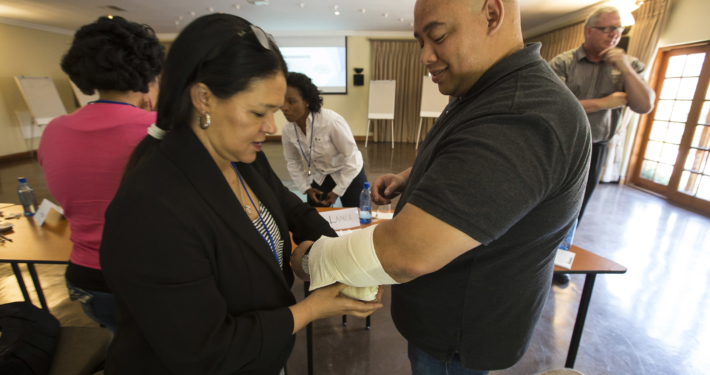
Zero Foundation Africa brings a unique approach to training. With over 65 years of combined experience, they tailor courses to meet your specific needs. Their training combines theory with hands-on practice. Participants engage in realistic simulations to build confidence. This practical experience is invaluable, helping you react swiftly and effectively in crises. By choosing Zero Foundation Africa, you partner with experts dedicated to ensuring your safety.

Key Modules for Corporate Safety

Having understood the basics, let’s explore the key modules that form the backbone of corporate safety during travel.

Situational Awareness and Journey Management

Maintaining awareness is crucial. Situational awareness training teaches you to observe and assess your surroundings continually. This skill is vital for identifying possible threats before they escalate. Journey management complements this by planning safe travel routes. Together, these skills provide a proactive approach to safety. By preparing for the unexpected, you reduce the risk of incidents during travel.

Kidnap Avoidance and Hotel Security Best Practices

Kidnappings are a real threat in certain regions. Learning to avoid such situations can save lives. This module covers strategies for reducing your risk of abduction. Additionally, hotel security plays a significant role in ensuring safety. Knowing how to choose secure accommodations and understanding security protocols can prevent potential dangers. These practices protect you and your team from becoming targets.

Communications Security and Anti-Bribery Compliance

Effective communication is vital, but it must be secure. Understanding communication security protects sensitive information from prying eyes. This module also covers compliance with anti-bribery laws, such as the UK Bribery Act and FCPA. Staying compliant avoids legal pitfalls and ensures ethical conduct. By mastering these aspects, you maintain integrity and safeguard corporate reputation.

Ensuring Compliance and Readiness

Once safety modules are in place, focus shifts to legal compliance and readiness for unforeseen situations.

Legal Considerations: UK Bribery Act and FCPA

Complying with legal frameworks is non-negotiable. The UK Bribery Act and the FCPA are critical in Africa’s business landscape. Understanding these laws helps you navigate complex legal environments. This knowledge prevents costly legal issues and maintains corporate integrity. Ensuring compliance is a strategic advantage in global operations.

Crisis Management and Travel Policy Implementation

A solid crisis management plan is essential. Developing this plan involves identifying potential crises and creating response strategies. Implementing a travel policy ensures all team members understand safety protocols. This proactive approach minimizes chaos during emergencies. By staying prepared, you can manage crises efficiently and protect your team.

Sustaining Readiness with Follow-On Refreshers

Staying ready requires continuous learning. Follow-on refreshers reinforce previous training and introduce new strategies. Regular updates ensure you remain prepared for evolving threats. By investing in ongoing training, you enhance your team’s capabilities and confidence. Remember, the longer you wait, the higher the risk of becoming complacent. Stay ahead with continuous education and readiness.


Hostile Environment Awareness Training: Empowering Corporate Travellers Across Africa

Hostile Environment Awareness Training Africa is no longer optional for corporate travellers operating across the continent. Rising security threats demand precise travel risk management Africa to protect your people and comply with duty of care Africa obligations. Our HEAT training South Africa equips your teams with critical skills—from kidnap and ransom awareness to crisis management Africa—that safeguard operations and reduce vulnerabilities. Discover how tailored hostile environment training for executives ensures your travellers navigate risks confidently and securely.

Reducing Travel Risk in Africa

Navigating Africa’s diverse challenges requires sharp strategies. Let’s explore how you can reduce travel risks effectively.

Hostile Environment Awareness Training Africa

Imagine being equipped to handle any threat with confidence. Our Hostile Environment Awareness Training does just that. This training provides vital skills for handling high-risk situations. From kidnap and ransom awareness to basic survival tactics, you’ll learn to protect yourself and your colleagues.

You may wonder why this training is crucial. The truth is, knowing what to do in a crisis can save lives. Participants often cite real-life scenarios as eye-openers. You’ll practice drills that teach you to remain calm and act decisively. This proactive approach prepares you for the unexpected, ensuring that your team can operate safely in any environment.

Journey Management Africa

Every journey carries its own risks. Effective journey management is essential for safe travel. It starts with understanding the terrain and potential threats. With proper planning, you can avoid dangerous areas and reduce exposure to risks.

You’ll learn to implement travel protocols that keep everyone secure. These include pre-trip briefings and continuous communication during travel. Keeping everyone informed and prepared means fewer surprises. You’ll also have access to real-time updates, helping you adapt plans as needed. This structured approach keeps your journeys safe and smooth.

Situational Awareness Training

Being aware of your surroundings can prevent many threats. Situational Awareness Training sharpens this skill, keeping you alert and responsive. You’ll learn to spot unusual behavior and potential dangers before they escalate.

Think of it as an extra layer of security. By practicing these skills, you become adept at reading environments. It’s about being proactive, not reactive. With this training, you’ll develop the confidence to navigate challenging situations. This awareness is your first line of defense, enhancing your overall safety.

Fulfilling Duty of Care Africa

Protecting your team goes beyond training. It’s about fulfilling your duty of care with comprehensive security measures.

Corporate Travel Security Africa

Travel security is more than just policies. It involves real actions that protect your team. By implementing travel security protocols, you ensure that every trip is planned with safety in mind. This includes choosing secure accommodations and transport options.

You’ll also conduct risk assessments before any travel. Identifying potential threats is key to mitigating them. By being prepared, you minimize risks and provide peace of mind to your team. This proactive approach ensures that your team feels secure and supported.

Executive Travel Security Africa

Executives face unique risks. Tailored security solutions are crucial. These measures include secure transportation, vetted accommodations, and constant communication. By addressing these needs, you protect your leaders and your business interests.

Providing this level of security not only protects individuals but also maintains business continuity. Knowing that your executives are safe allows them to focus on their work, not their safety. This targeted approach ensures that business objectives are met without undue concern for personal safety.

Duty of Care Africa

Your duty of care is a legal obligation. It requires that you take reasonable steps to protect your team. By partnering with experts, you ensure compliance with local and international laws. This includes understanding what measures are necessary and how to implement them effectively.

You’ll learn to create a framework that meets all duty of care requirements. This involves regular updates and audits to ensure compliance. By fulfilling these obligations, you not only protect your team but also your company’s reputation.

Protecting Operations and Compliance

Security measures protect more than people; they protect operations and compliance with critical laws.

Crisis Management Africa

Crisis management is about swift, effective response. This involves having a plan in place before a crisis occurs. You’ll learn to create and implement procedures that ensure quick action during emergencies.

Having a crisis management plan reduces panic and confusion. You’ll know who to contact, what steps to take, and how to manage communication. This structured response is crucial for maintaining control and ensuring safety. By planning ahead, you stay one step ahead of potential crises.

FCPA Compliance Africa

Compliance with the Foreign Corrupt Practices Act is non-negotiable. Understanding this law is crucial for avoiding legal issues. By implementing compliance measures, you ensure that your operations adhere to ethical standards.

Training your team on FCPA compliance is a proactive step. It involves educating them on what constitutes a violation and how to report it. By fostering a culture of compliance, you protect your company from significant legal and financial repercussions. This commitment to ethics strengthens your business integrity.

UK Bribery Act Africa

Similar to FCPA, the UK Bribery Act requires strict compliance. Understanding its implications is essential for any business operating in Africa. Training ensures that your team is aware of legal boundaries and the importance of adhering to them.

By implementing anti-bribery measures, you reduce the risk of violations. This includes regular audits and transparent reporting. These measures not only protect your company but also build trust with stakeholders. Ensuring compliance with the UK Bribery Act reinforces your commitment to ethical business practices.