Most security controls in Africa falter because they ignore on-the-ground realities. You cannot rely on generic frameworks when infrastructure varies and regulatory risks spike unpredictably. This is why corporate security Africa demands controls designed, tested, and proven for actual operating conditions. In this post, you will learn how to build resilient security measures that withstand Africa’s complexities and why Zero Foundation Africa stands as your trusted partner for compliance and crisis readiness across 55 countries.
Request a confidential Pan‑African security control gap assessment today.
Designing Security Controls for Africa
Building security measures that last requires understanding Africa’s unique challenges.
Realities of African Operating Conditions
Operating in Africa brings unique hurdles. Infrastructure can vary dramatically, and regulatory environments shift without warning. Understanding these factors is vital. You need security controls that are not only robust but adaptable.
In some regions, power outages and communication black spots are common. This affects how you deploy technology-based security measures. Additionally, local customs and practices often play a role in how policies are enforced or understood. This is where tailored solutions become indispensable.
Without acknowledging these realities, you risk having measures that fail when needed most. Think of it like this: a one-size-fits-all approach simply doesn’t work here. The key is designing controls with local insights and adaptability in mind.
Stress-Testing Security Measures
How do you know if your security measures are up to the task? Stress-testing is essential. This means putting each control through scenarios that mimic real-life challenges.
Consider power cuts as an example. You must test how systems operate during outages. This involves not just technology checks but also training your team to handle unexpected situations effectively.
Stress-testing is not a one-time event. It should be part of an ongoing process. By regularly evaluating your systems, you ensure that they remain effective as conditions change. This proactive approach helps you stay ahead of potential threats.
Governance and Compliance Frameworks
Ensuring your security measures are compliant with local laws is crucial. Africa’s regulatory landscape is diverse, with each country having its own set of rules.
To navigate this, you need a governance framework that adapts to changes. This involves continuous monitoring and updates to your policies and procedures. It is about staying compliant while also being agile enough to adjust quickly when laws shift.
A strong governance framework not only helps you avoid legal issues but also builds trust with partners and clients. It signals that you are committed to operating ethically and responsibly across the continent.
Essential Security Management Practices

With foundational controls in place, let’s explore management practices that enhance security.
Enhanced Due Diligence in Africa
In Africa, due diligence goes beyond basic checks. It involves deeper investigation into potential partners and employees. With local nuances in mind, this ensures you have a complete picture.
Enhanced due diligence means looking at financial histories, reputational risks, and any potential red flags in an individual’s or entity’s background. This is critical in a continent where informal networks and unrecorded transactions are common.
By adopting enhanced due diligence, you protect your interests and build stronger stakeholder relationships. This thorough approach instills confidence in the decisions you make, keeping your operations secure and compliant.
Third-Party Risk Strategies
Managing third-party risks is about more than just vetting suppliers. It’s an ongoing process of monitoring and engagement.
Start by assessing the risk profile of each third-party relationship. This involves evaluating their compliance with local laws and their operational practices. Regular audits and checks should follow, ensuring sustained compliance and performance.
Effective third-party risk strategies protect your business from unforeseen disruptions. They help maintain the integrity of your supply chain and support long-term partnerships built on trust and reliability.
FCPA and UK Bribery Act Compliance
Compliance with the FCPA and UK Bribery Act is non-negotiable for businesses in Africa. These laws require you to maintain strict anti-corruption measures.
Implementing a compliance program includes training for your team, establishing clear reporting channels, and conducting regular audits. It’s about creating a culture where ethical practices are the norm.
By ensuring compliance, you protect your business from hefty fines and damage to your reputation. It demonstrates your commitment to ethical operations, reassuring stakeholders and clients alike.
Advanced Security Solutions and Services

Elevate your security strategy with advanced solutions tailored for Africa’s challenges.
Technical Surveillance Counter-Measures
Technical surveillance counter-measures (TSCM) are critical in safeguarding your operations. They help detect and neutralise spying devices that threaten your confidentiality.
With TSCM, you can identify hidden cameras, microphones, and other surveillance tools. This service ensures that your sensitive information remains protected from prying eyes.
Implementing TSCM is about more than technology. It involves training your team to recognise suspicious activities and respond appropriately. This proactive stance secures your communications and keeps your strategic plans safe.
Counter-Surveillance and Executive Protection
Counter-surveillance goes hand in hand with executive protection. These measures are essential for safeguarding key personnel against threats.
Counter-surveillance involves detecting and mitigating any attempts to monitor your movements or conversations. Executive protection adds a layer of safety, ensuring that your leaders can operate securely in high-risk areas.
By investing in these services, you not only protect your top executives but also maintain the stability and continuity of your operations. It’s about peace of mind and uninterrupted focus on your strategic goals.
Travel Risk Management and H.E.A.T. Training
Travel risk management is crucial for businesses operating across Africa. This involves preparing employees for potential risks they may face while travelling.
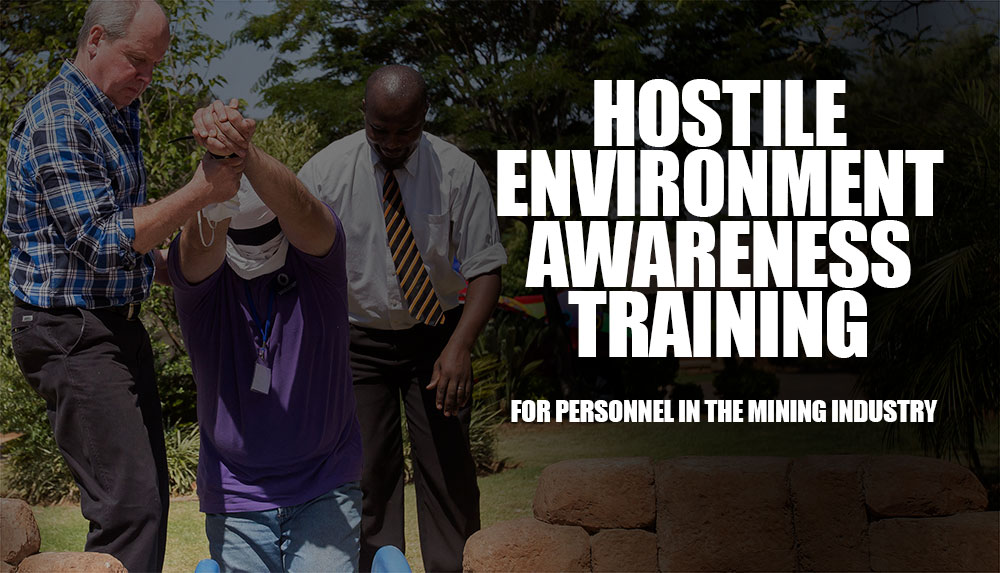
Hostile Environment Awareness Training (H.E.A.T.) equips your team with the skills needed to navigate challenging situations. From understanding local customs to responding to emergencies, this training is comprehensive.
By prioritising travel risk management and H.E.A.T., you fulfil your duty of care. It ensures that your employees are prepared and protected, allowing your business to operate smoothly and confidently.
Frequently Asked Questions
What are the key challenges in implementing security controls in Africa?
Implementing security controls in Africa involves navigating diverse infrastructure, variable regulatory environments, and local cultural practices. These factors require tailored solutions that are adaptable and informed by local insights.
How does enhanced due diligence differ in Africa?
Enhanced due diligence in Africa involves deeper investigations into financial histories and reputational risks. It accounts for informal networks and unrecorded transactions common in the continent, providing a comprehensive view of potential partners or employees.
What is H.E.A.T. training, and why is it important?
Hostile Environment Awareness Training (H.E.A.T.) prepares employees for risks they may encounter while travelling in challenging areas. It includes skills for handling emergencies and understanding local customs, ensuring safety and fulfilling duty of care.