Posts

Corporate security management in Africa demands more than standard protocols. Your company faces unique risks—from political instability to insider threats—that require a risk-led approach. This guide outlines how to build operational resilience Africa-wide, reduce fraud and corruption exposure, and align your security with strict FCPA compliance Africa. Read on to learn how Zero Foundation Africa’s expertise can safeguard your assets and reputation across complex environments.

Building Operational Resilience in Africa

Navigating the corporate landscape in Africa requires a proactive approach. Building resilience is key to thriving amidst challenges. Let’s explore strategies that can boost your company’s ability to withstand and adapt to various risks.

Strategies for Risk Management in Africa

Understanding risks in Africa is crucial. You face unique threats, including political unrest and insider challenges. Start by conducting a comprehensive risk assessment to identify potential vulnerabilities. This involves analysing both external and internal factors that could impact your operations.

Next, prioritise risk mitigation strategies that are tailored to your specific needs. Implementing robust security protocols and continuously monitoring for emerging threats can greatly enhance your risk management efforts. Remember, staying informed about the latest developments in the region is essential.

Lastly, foster a culture of risk awareness within your organisation. Educate your team on the importance of security measures and encourage open communication about potential risks. By involving everyone, you create a collective sense of responsibility for safeguarding your business.

Enhanced Due Diligence in Complex Environments

Operating in complex environments requires an extra layer of scrutiny. Enhanced due diligence is not just a formality; it’s a necessity. Begin by conducting thorough background checks on potential partners and suppliers. This step is vital to ensure you’re dealing with reputable entities.

In addition, consider the geopolitical climate of the regions you’re operating in. Understanding local customs and legal frameworks can prevent misunderstandings and facilitate smoother operations. It’s also wise to engage local experts who can provide valuable insights into the specific challenges you might face.

Finally, maintain a continuous due diligence process. Regularly review and update your findings to account for any changes in circumstances. This proactive approach can protect your interests and help you navigate the complexities of operating in diverse African markets.

FCPA Compliance and Governance Africa

Adhering to compliance standards like the FCPA is crucial. It protects your business from legal repercussions and maintains your reputation. Establish a compliance program that integrates FCPA requirements into your daily operations.

Training your employees on anti-bribery practices is a core component of this program. Ensure they understand the legal implications of their actions and the importance of ethical conduct. Providing clear guidelines can empower them to make informed decisions.

Moreover, conduct regular audits to verify compliance adherence. This not only identifies potential issues but also demonstrates your commitment to ethical business practices. Upholding these standards reinforces trust with clients and partners, enhancing your business’s credibility.

Addressing Security Challenges

Security challenges in Africa require a targeted approach. Tackling these head-on ensures your business remains protected. Let’s delve into how you can address specific threats effectively.

Anti-Bribery and Corruption in Africa

Corruption is a major hurdle in Africa. Combatting it demands a zero-tolerance policy. Begin by implementing stringent anti-bribery measures across all levels of your organisation. This includes clear reporting procedures for suspicious activities.

Additionally, incorporate a whistleblower policy to encourage employees to report unethical behaviour without fear of retaliation. Creating an environment where integrity is valued can significantly reduce the risk of corruption.

To further bolster your efforts, engage in regular training sessions. Ensure your team is aware of the consequences of bribery and understands the importance of adhering to ethical standards. Empower them with the knowledge to act responsibly.

Hostile Environment Awareness Training

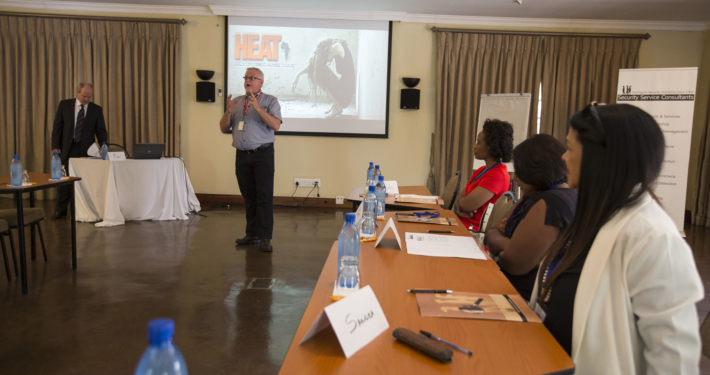
Operating in hostile environments requires preparation. Hostile Environment Awareness Training (HEAT) equips your team with the skills to navigate challenging situations. This training focuses on survival techniques and situational awareness.

Participants learn how to handle emergencies, enhancing their confidence in high-risk areas. By simulating real-world scenarios, they develop practical skills that could be life-saving. Additionally, this training promotes teamwork, ensuring everyone knows their role in a crisis.

Regular refresher courses keep skills sharp and knowledge up-to-date. Investing in HEAT demonstrates your commitment to employee safety, boosting morale and loyalty.

Technical Surveillance and Counter-Surveillance Africa

Protecting sensitive information is paramount. Technical surveillance and counter-surveillance measures safeguard your data from prying eyes. Start by conducting regular sweeps to detect any unauthorised surveillance devices.

Utilising advanced technology can enhance your ability to identify and neutralise potential threats. Stay ahead of the curve by updating your equipment and methodologies regularly. This proactive stance prevents breaches before they occur.

Additionally, educate your team on recognising signs of surveillance. Awareness is your first line of defence. By fostering a security-conscious culture, you minimise the risk of information leaks and protect your company’s interests.

Protecting Assets and Reputation

Safeguarding your assets and reputation is a top priority. Implementing comprehensive strategies ensures your business remains resilient in the face of adversity.

Travel Security Policy and HEAT Training Africa

A robust travel security policy is essential. It outlines protocols for safe travel, ensuring employees are prepared for potential risks. Incorporate HEAT training to equip them with necessary skills for handling emergencies.

Regularly update your policy to reflect current threats. This keeps your team informed and ready for any situation. Comprehensive planning reduces the chance of incidents and protects your company’s reputation.

Corporate Intelligence and Investigative Services

Corporate intelligence is vital for informed decision-making. Engage in thorough investigations to vet partners and suppliers. This diligence prevents association with high-risk entities and protects your business interests.

Utilising investigative services provides insights into potential threats. By understanding the landscape, you can make strategic decisions that bolster your operations. Trust in reliable intelligence to guide your business safely through complex environments.

Supply Chain Security and Asset Tracing Africa

Securing your supply chain is crucial. Implement measures to protect against disruptions and ensure continuity. Regular assessments identify vulnerabilities, allowing for timely interventions.

Asset tracing is another key component. Knowing the location and status of your assets enables quick responses to potential threats. By maintaining visibility, you control your supply chain and safeguard your investments.

Frequently Asked Questions

What is the importance of due diligence in Africa?

Enhanced due diligence is crucial in Africa due to complex operating environments. It ensures you’re dealing with reputable entities, reducing the risk of fraud and corruption. Regular assessments maintain business integrity and protect your interests.

How can HEAT training benefit my employees?

HEAT training equips employees with skills to handle emergencies in hostile environments. It boosts confidence and teamwork, ensuring safety in high-risk areas. Regular courses keep skills sharp, demonstrating your commitment to their well-being.

What measures can protect against technical surveillance?

Regular sweeps and advanced technology are key to countering technical surveillance. Educating your team on signs of surveillance enhances awareness. A proactive stance prevents breaches, safeguarding sensitive information and protecting your interests.


Forget what you think you know about enhanced due diligence in Africa. The continent’s unique risks demand more than standard checks. You need precise anti-bribery due diligence, thorough sanctions and PEP screening, plus on-the-ground intelligence that reveals hidden threats. This guide breaks down what enhanced due diligence Africa requires to protect your operations and reputation—starting now.

Key Elements of Enhanced Due Diligence

To safeguard your business in Africa, you need more than just typical due diligence. Let’s explore key elements that can protect your interests effectively:

OSINT and HUMINT Investigations

Conducting thorough investigations is crucial. Open Source Intelligence (OSINT) dives into public data, uncovering valuable insights. Meanwhile, Human Intelligence (HUMINT) involves gathering information directly from people on the ground. For instance, in Nigeria, local contacts can reveal crucial details about potential partners. Through these methods, you gain a comprehensive view of your business environment, uncovering any hidden risks.

Understanding both local customs and global standards is vital. While OSINT gives you a broad picture, HUMINT provides depth, offering a nuanced view of the market. Remember: without these investigations, crucial details might slip through the cracks, leaving your business vulnerable.

Ultimate Beneficial Owner Verification

Identifying the real owners behind your partners is essential. Ultimate Beneficial Owner (UBO) verification helps you see who truly holds the reins. In countries like Kenya, where corporate structures can be complex, this step ensures transparency. By knowing who you’re really dealing with, you can make informed decisions, avoiding risky entanglements.

UBO verification isn’t just about ticking boxes. It’s about safeguarding your reputation. Hidden owners can bring unforeseen complications. By verifying UBOs, you protect your business from potential scandals and ensure compliance with international standards.

Political Risk Analysis in Africa

Political landscapes in Africa can change rapidly, affecting business operations. A thorough political risk analysis sheds light on these dynamics. For example, understanding South Africa’s policy shifts can help you navigate regulatory changes smoothly. By staying informed, you can anticipate challenges and adjust your strategies accordingly.

Ignoring political risks is like walking blindfolded. With comprehensive analysis, you can make proactive decisions. Stay ahead of the curve, ensuring your business thrives despite political uncertainties.

Essential Compliance Checks

Compliance is not optional. It’s your shield against legal troubles. These checks ensure your business stays on the right side of the law:

FCPA and UK Bribery Act Compliance

Bribery laws are strict, and non-compliance can cost millions. The Foreign Corrupt Practices Act (FCPA) and UK Bribery Act set the standards. For instance, a multinational in Uganda faced hefty fines due to bribery allegations. By adhering to these laws, you protect your business from legal pitfalls.

Compliance isn’t just about avoiding fines; it’s about building trust. Customers and partners want to engage with ethical companies. By ensuring FCPA and UK Bribery Act compliance, you position your business as a trustworthy entity.

Sanctions and PEP Screening

Sanctions and Politically Exposed Persons (PEP) screenings are essential. They prevent dealings with banned entities and high-risk individuals. In Zimbabwe, failing to screen partners led to significant reputational damage. By conducting these screenings, you avoid such pitfalls and safeguard your business integrity.

Staying updated with sanctions lists is crucial. These lists change frequently, and outdated information can lead to unintended violations. Regular screenings ensure you’re always compliant and protected.

Source of Funds Verification Africa

Understanding where your partners’ money comes from is vital. Source of funds verification helps identify potential money laundering risks. In regions like West Africa, where informal financial practices are common, this step ensures legality and transparency in transactions.

Without verification, you risk unknowingly engaging in illegal activities. Ensure every penny your business touches is clean and accounted for. It’s not just about compliance; it’s about keeping your operations above board.

On-the-Ground Due Diligence Practices

Hands-on due diligence gives you real insights. Here’s how you can gather firsthand information:

Site Visits and Source Enquiries

Seeing is believing. Site visits allow you to verify claims and assess operations firsthand. For example, visiting a supplier in Ghana reveals production processes, ensuring they meet your standards. Source enquiries, on the other hand, provide background checks on potential partners, giving you a clear picture.

Skimping on these practices can lead to costly mistakes. By being present, you gain insights that reports alone can’t offer. It’s about ensuring every aspect aligns with your business goals.

Supply Chain Due Diligence Africa

A robust supply chain is your backbone. Due diligence identifies weak links, ensuring smooth operations. In East Africa, a major firm avoided a crisis by uncovering a supplier’s unethical practices. By examining every link, you prevent disruptions and maintain quality.

Don’t let a single weak link compromise your entire chain. Regular audits and checks keep your supply chain resilient and reliable, ensuring your business runs like a well-oiled machine.

ESG and Labour Compliance Reviews

Ethical practices are non-negotiable. Environmental, Social, and Governance (ESG) reviews ensure your partners share your values. In regions like Central Africa, labour laws vary, making compliance reviews crucial. By prioritising ESG, you show commitment to sustainable practices.

Labour compliance isn’t just about ticking boxes. It’s about treating people fairly and respecting local laws. This not only protects your reputation but also fosters a positive work environment, driving long-term success.

By embedding these practices into your operations, you set a standard of excellence. The longer you wait, the more you risk exposure to hidden threats. Zero Foundation Africa is here to guide you, ensuring your business thrives in Africa’s complex landscape.

From Signals to Strategy: Integrating Predictive Intelligence to Anticipate Emerging Risks in African Markets

Most risk anticipation tools miss subtle shifts in African markets until it’s too late. You face complex political, regulatory, and supply chain threats that can cripple operations. Zero Foundation Africa’s predictive intelligence Africa service turns weak signals into clear, actionable guidance. In this post, you’ll learn how integrating our early warning system Africa helps you stay ahead of emerging risks Africa and protect your interests with confidence.

Understanding Predictive Intelligence

Predictive intelligence is your best ally in the ever-changing African markets. By transforming weak signals into actionable insights, businesses can stay ahead of potential challenges.

Defining Predictive Intelligence in Africa

Predictive intelligence involves using data and advanced analytics to foresee potential risks in business environments. In Africa, this means understanding the unique market dynamics across 55 countries. It’s not just about gathering information; it’s about knowing which signals matter. For example, a slight change in political sentiment could mean larger shifts in regulatory policies. You need tools that can interpret these signals quickly. This approach allows you to not only protect your business but also to seize new opportunities before others do. By focusing on the specifics of each market, predictive intelligence turns uncertainty into a strategic advantage.

Benefits of Risk Anticipation Tools

Risk anticipation tools are essential for safeguarding your interests in unpredictable markets. These tools are designed to identify potential threats before they become full-blown issues. You gain a clear picture of political, regulatory, and supply chain risks that could impact operations. Consider this: a company using these tools can avoid costly disruptions by adjusting strategies promptly. This proactive stance is crucial. Most businesses react after problems arise, but with the right tools, you act before they escalate. You’ll find that being prepared means fewer surprises and smoother operations.

Key Emerging Risks in African Markets

Navigating African markets requires an understanding of emerging risks. Political shifts and regulatory changes are just the beginning. Dive deeper into how these factors affect your business landscape.

Political and Regulatory Change Monitoring

Political climates in Africa can shift rapidly, and so can the accompanying regulations. Monitoring these changes is critical. A sudden policy change in one country can have ripple effects across borders. Staying updated helps you anticipate these shifts and adjust your strategies accordingly. It’s not just about reading the news; it’s about understanding the implications on your business. With effective monitoring, you can predict how these changes might influence trade laws, taxes, and investment climates. This proactive approach reduces uncertainty and allows for better decision-making.

ESG and Supply Chain Risk Assessment

Environmental, Social, and Governance (ESG) issues are increasingly vital in Africa. Companies are expected to adhere to sustainable practices, and failing to do so can harm reputations and bottom lines. Assessing these risks in your supply chain is not optional. A small oversight in ESG compliance can lead to major financial and legal repercussions. By understanding these risks, you ensure your supply chain is resilient and compliant. This assessment includes everything from labour practices to environmental impact. You’ll find that a robust ESG strategy not only protects your business but also enhances its reputation.

Implementing a Comprehensive Strategy

Integrating predictive intelligence with your business strategy ensures resilience. Discover how merging governance, risk, and compliance systems can provide you with an early warning advantage.

GRC Integration and Early Warning Systems

Governance, Risk, and Compliance (GRC) systems are crucial for effective risk management. By integrating these systems with an early warning approach, you create a proactive defence against potential threats. This integration allows you to identify and respond to risks quickly. It’s about creating a cohesive strategy where each part supports the other. For instance, a GRC system that alerts you to regulatory changes can help you avoid non-compliance issues. This streamlined approach saves time and resources, ensuring you’re always a step ahead.

Enhanced Due Diligence and Compliance Advisory

Enhanced due diligence is your safeguard against unforeseen risks. It involves a detailed examination of business partners, ensuring they align with your compliance standards. This process reduces exposure to legal and financial risks. For example, conducting thorough background checks can reveal potential red flags before they become problems. Compliance advisory services guide you in navigating complex regulations, ensuring you meet all necessary standards. This not only helps in avoiding penalties but also boosts your business’s credibility. By focusing on due diligence, you enhance your operational integrity and stability.

In summary, predictive intelligence and comprehensive risk management are not just tools but necessities for success in African markets. With the right strategy, you can navigate uncertainty with confidence and turn potential risks into opportunities.